
Laser
Holmium Laser for Kidney Stones
A holmium fibre threaded down the scope shatters the stone where it sits — kidney, ureter or bladder — until the fragments are small enough to pass on their own.
Usually a single overnight stay
A fine scope goes in, the laser does the work, and most people are home inside a day. The same route treats men whose stream has been throttled by an enlarging prostate.
Four arms make up the urology service at NHS Hospital — stone and prostate endourology, laparoscopic surgery, urinary tract reconstruction, and uro-oncology — run by consultants with more than 15 years behind them.
Send your ultrasound or CT report on WhatsApp for a quick review.
A holmium fibre threaded down the scope shatters the stone where it sits — kidney, ureter or bladder — until the fragments are small enough to pass on their own.
Ureteroscopy reaches the ureter; retrograde intrarenal surgery carries on into the kidney. Which of the two you need is settled by how big the stone is and where it has lodged.
In BPH, the overgrown tissue narrowing the channel is shelled out with holmium laser energy, which seals vessels as it goes and so bleeds far less than the conventional operation. TURP stays on the list where it suits the gland better.
Plenty of stones never see a theatre. Where the size and position allow it, you get medication and a review date instead of an operation.
Stones. A gland that has outgrown its space. Trouble anywhere along the urinary tract. Plumbing that has to be rebuilt after scarring or injury. Cancers of the urinary and male reproductive organs. All of it is handled on one campus, and the consultant who clears a five-millimetre stone is the consultant who does the difficult reconstruction — so nobody is forwarded to another hospital halfway through.
Kidneys seldom hurt as they start to fail, so damage can build quietly over several years. A urine analysis and a serum creatinine cost little, take minutes and are run in any lab — and either will flag trouble well before you notice a thing.
Nothing on the lists below is aspirational. Every entry is an operation this department performs at Jalandhar.
Instruments travel to the problem along the urinary tract itself, or — for PCNL — through a single puncture in the flank. Most of the stone workload and almost all of the prostate workload sits in this arm.
Kidney and urinary tract operations done through ports instead of one long incision. The wounds are a few centimetres rather than one across the flank, which is why men are off strong painkillers quicker, back on their feet in days rather than weeks, and left with marks that fade to almost nothing.
When the urinary tract has been scarred, torn or built wrong from birth, it has to be rebuilt rather than simply unblocked. Getting the anatomy working properly again is the whole point of this arm.
Cancer surgery for the urinary tract and the male reproductive organs. Wherever the tumour allows it the case is done laparoscopically — the clearance is no less thorough, but the blood loss and the recovery are.
No two stones want the same operation. Four options sit on the table — medication on its own, ureteroscopy, RIRS and keyhole PCNL — and what settles the choice is where the stone has lodged and how much of it there is. Your CT answers that question, not the theatre list.
Some stones clear themselves given fluids, medication and a little time. If yours is one of them, you will be told so rather than booked in.
Ureteroscopy. The scope travels up the urinary tract until the stone in the ureter is in view, then the laser fibre reduces it to fragments.
Retrograde intrarenal surgery. Same route, carried further — on into the kidney itself, so a stone sitting inside it is dealt with without a single incision.
Percutaneous nephrolithotomy. A narrow track is dilated through the flank straight into the kidney — the answer when the stone is bulky, or when there are several of them.
A focused beam runs down the scope and shatters the stone in place, whether it has settled in the kidney, the ureter or the bladder. Several departments at NHS use the same laser platform, and they use it for the same handful of reasons.
A scope is not always the best way in. Where the stone is sitting in the renal pelvis, laparoscopic pyelolithotomy lifts it out through ports. Where poor drainage is what allowed it to form there, laparoscopic pyeloplasty fixes the outlet itself. Both operations are performed at Jalandhar.
Send your CT report
NHS Hospital patient information: laser treatment for prostate conditions.
About the size of a walnut, the prostate sits under the bladder with the urethra running straight through the middle of it — the same channel by which both urine and semen leave the body. Its day job is producing seminal fluid.
Benign prostatic hyperplasia is that gland growing larger without being cancerous. It shows up mostly after the age of 50, and carries on enlarging from there. Because the urethra runs through it, growth squeezes the channel: the stream loses force, bathroom trips multiply, and eventually the flow can stop altogether.
Laser prostatectomy clears the obstructing tissue with laser energy rather than a blade. At NHS Hospital that means HoLEP — holmium laser enucleation of the prostate — with conventional TURP kept available for glands better suited to it.
None of these is common, and each is less likely here than with the conventional surgical route. They are still possible, so you will hear about every one of them before you sign a consent form.
Discharge is same-day for some men and next-morning for others. You are kept quiet for a while afterwards, and when to pick up work, sex and your usual tablets again is a conversation with your surgeon rather than a fixed timetable.
The stream is usually noticeably better inside a few weeks and stays that way for years. A second procedure only comes into it where obstructing tissue was left behind, or where it grows back later on.
Two things have to be right before a stone or prostate case begins — the imaging that told the surgeon where to go, and a theatre built for scope work. Neither is outsourced here.
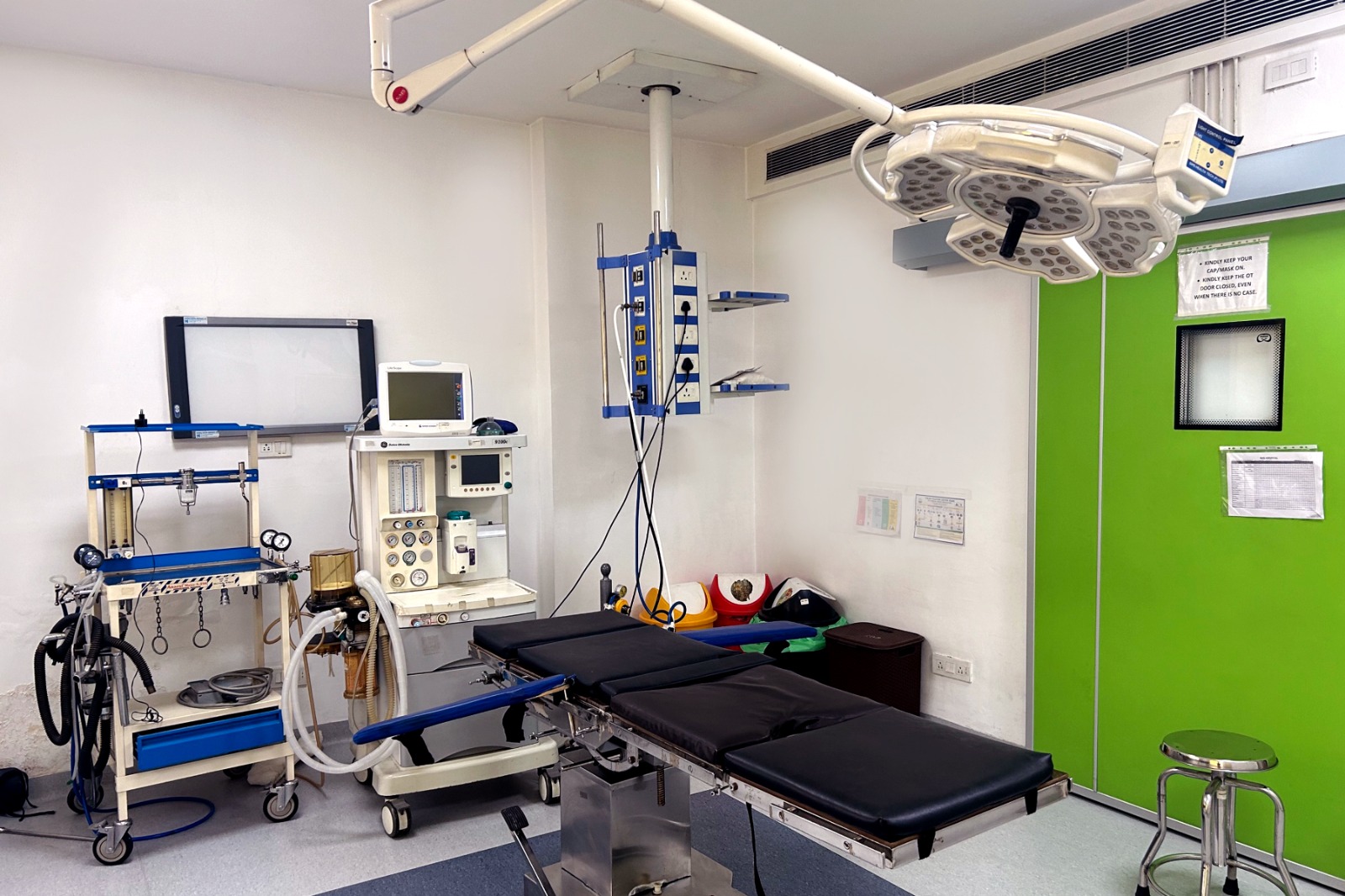
Modular operation theatre at NHS Hospital, Jalandhar.
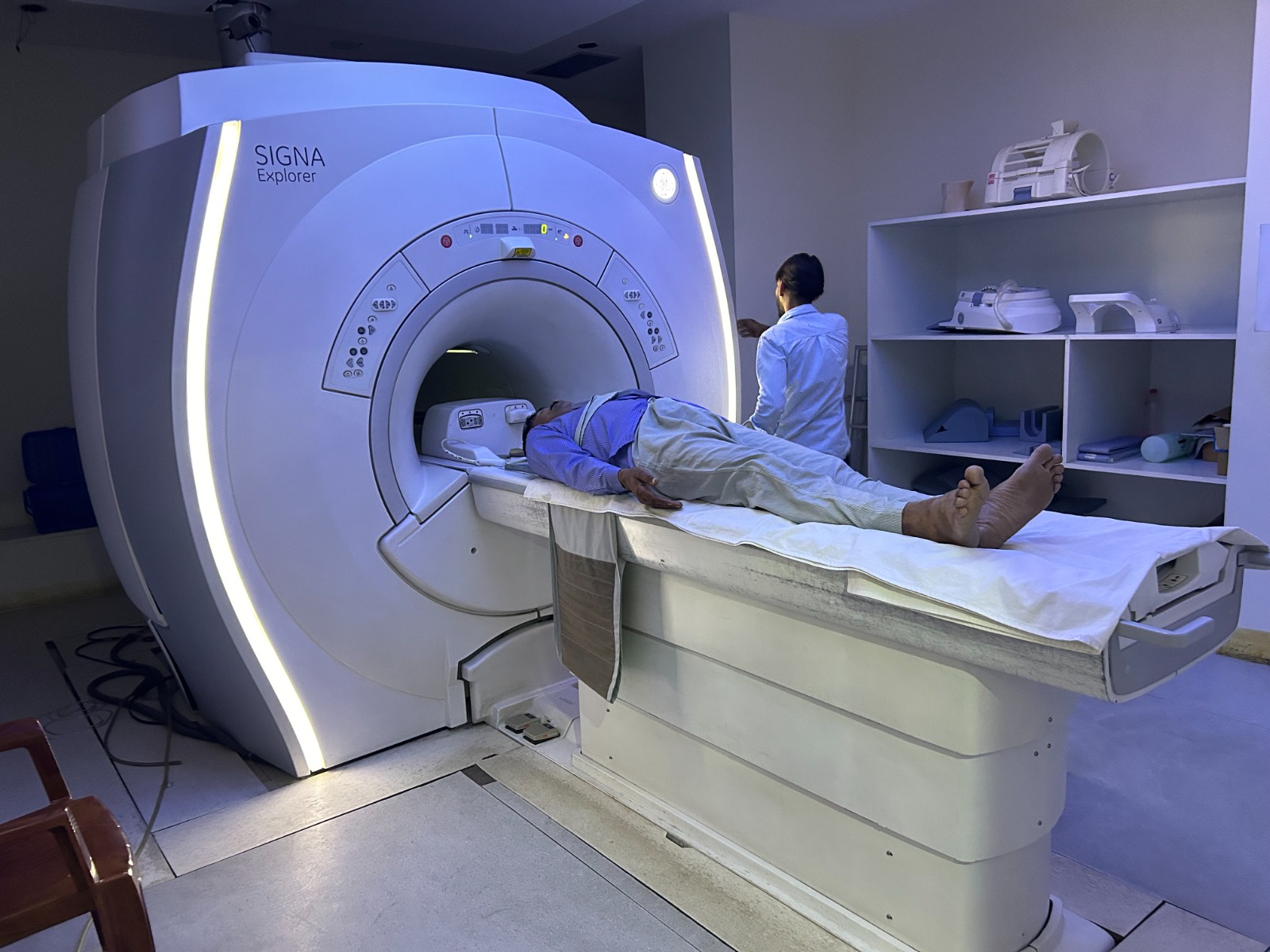
The GE SIGNA Explorer MRI in the NHS radiology department.
Silent 1.5 Tesla MRI, low-radiation CT, ultrasound, colour Doppler, fluoroscopy and digital X-ray all sit inside the building. CT and MRI stay open through the night, so a colic that arrives at 2 am is scanned at 2 am.
Theatres kitted out for keyhole and complex work, with imaging live on the screen and the record kept on paperless systems.
Air is driven through the operating room in one direction and through HEPA filters, stripping airborne contamination out of the field while the case is running.
Nothing reaches the table until the Central Sterile Services Department has cleared it on both chemical and biological indicators. Every case is then run against the WHO Surgical Safety Checklist.
Behind the theatre door stands a 200-bed tertiary hospital with 45 intensive care beds under consultant-led surveillance. That is the reason an older man with a cardiac history can still be listed.
Difficult cases go in front of a panel — radiology, surgery, medicine and critical care in one room — which is how a nephrology or cardiology opinion arrives without sending you elsewhere for it.
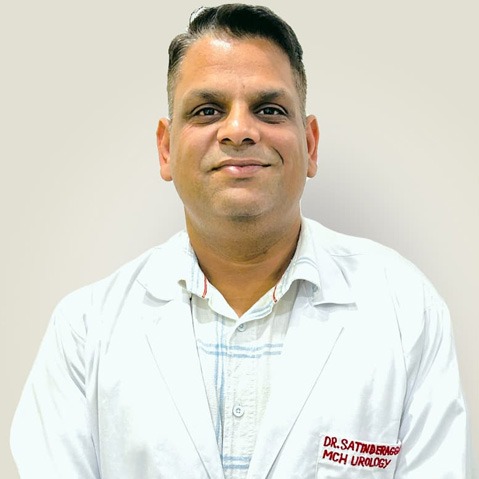
MS, M.Ch (Urology). Urologist and Kidney Transplant Surgeon at NHS Hospital, Jalandhar. His clinical interest is laser work — stones of every type, and the prostate.
The list he runs takes in endourology and laser stone surgery, prostate disease and urinary tract reconstruction, with anaesthesia and critical care cover in the same building.
Photographs taken at NHS Hospital, Jalandhar — the theatre, the ward and the clinic as they are on a working day. Open any picture for the full-size version.
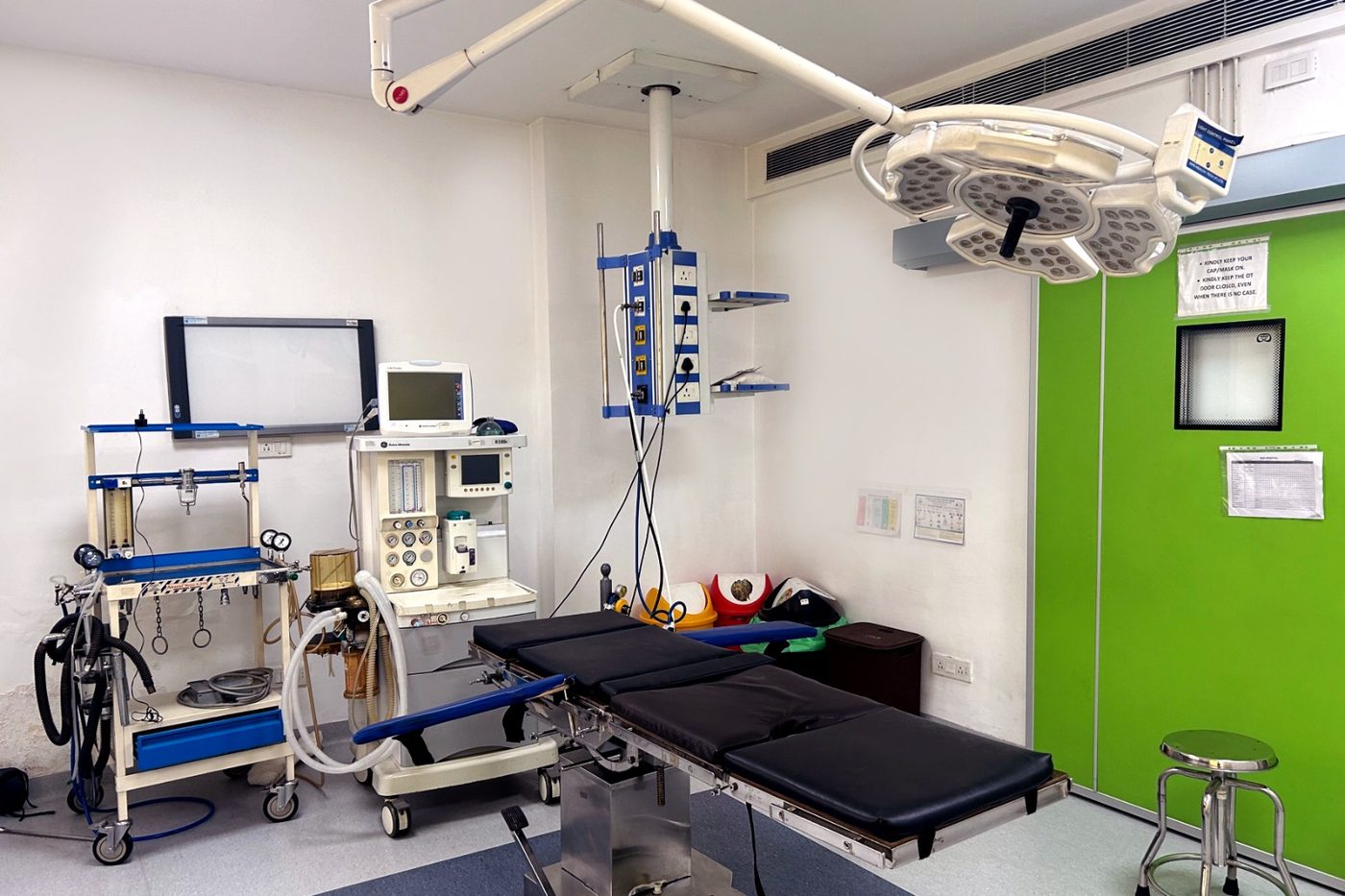
Modular operation theatre
Where the stone and prostate lists run.
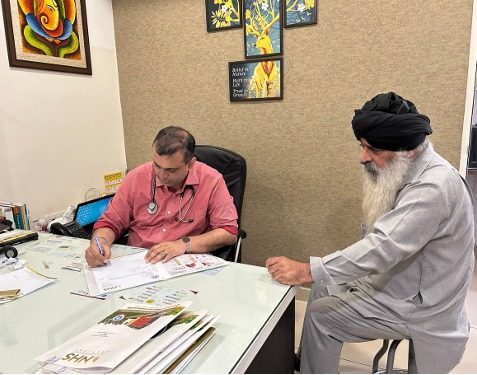
Consultation in the outpatient clinic
Where a scan gets read back to you.
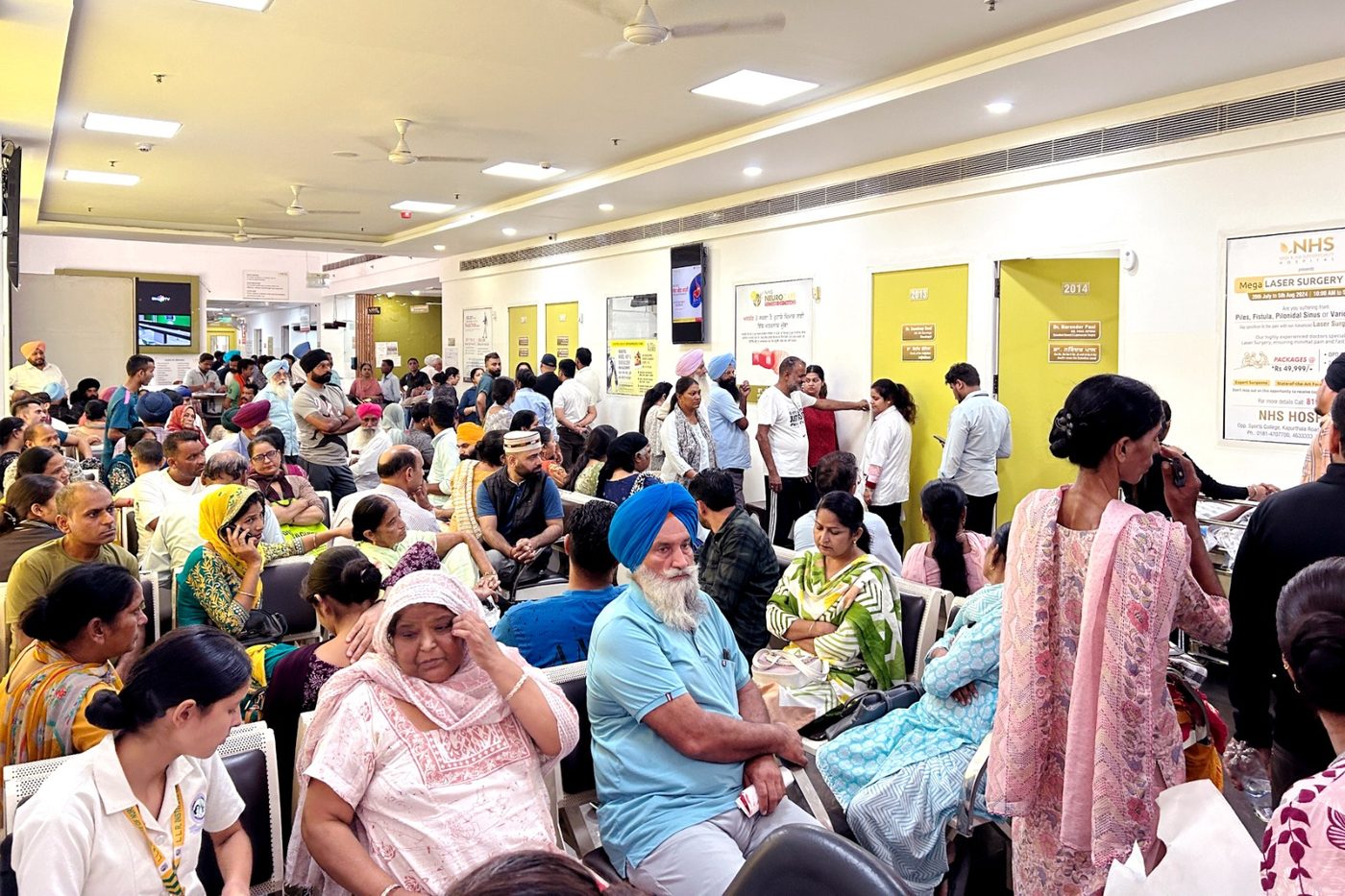
Outpatient department, mid-morning
A normal working day in the OPD hall.
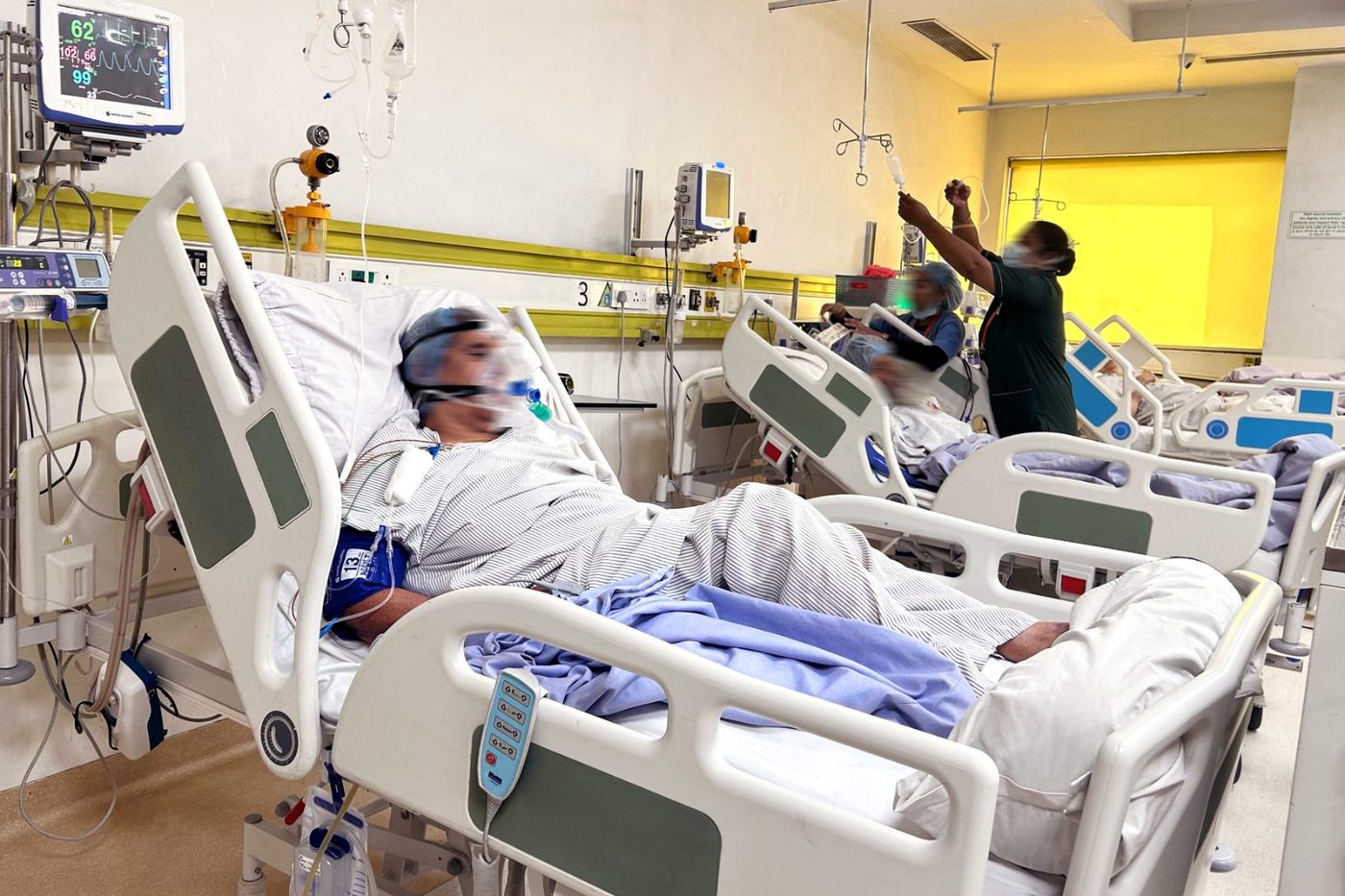
Inpatient ward
Where the overnight after a laser case is spent.
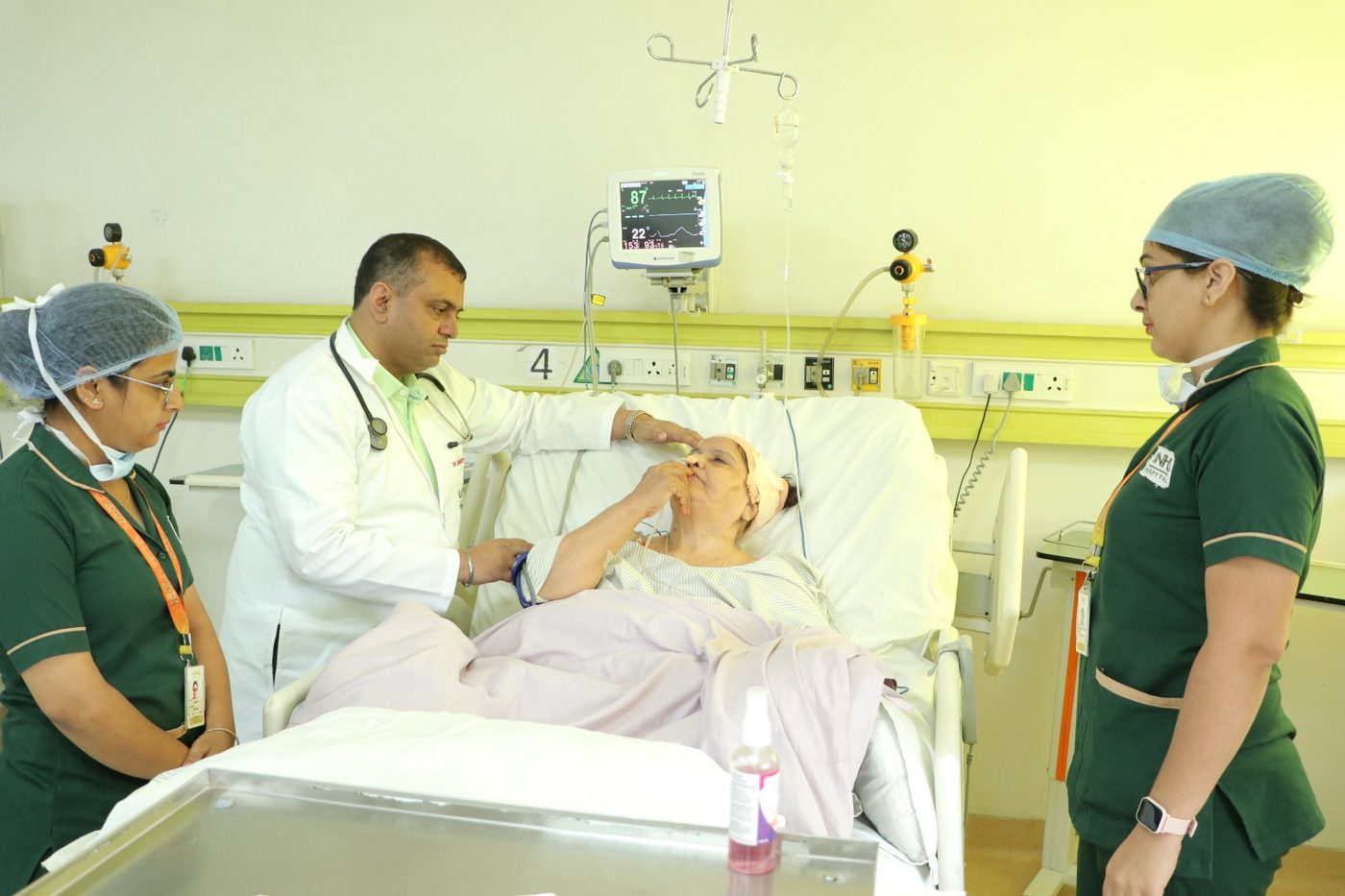
Nursing team at the bedside
Cover on the floor at every hour.
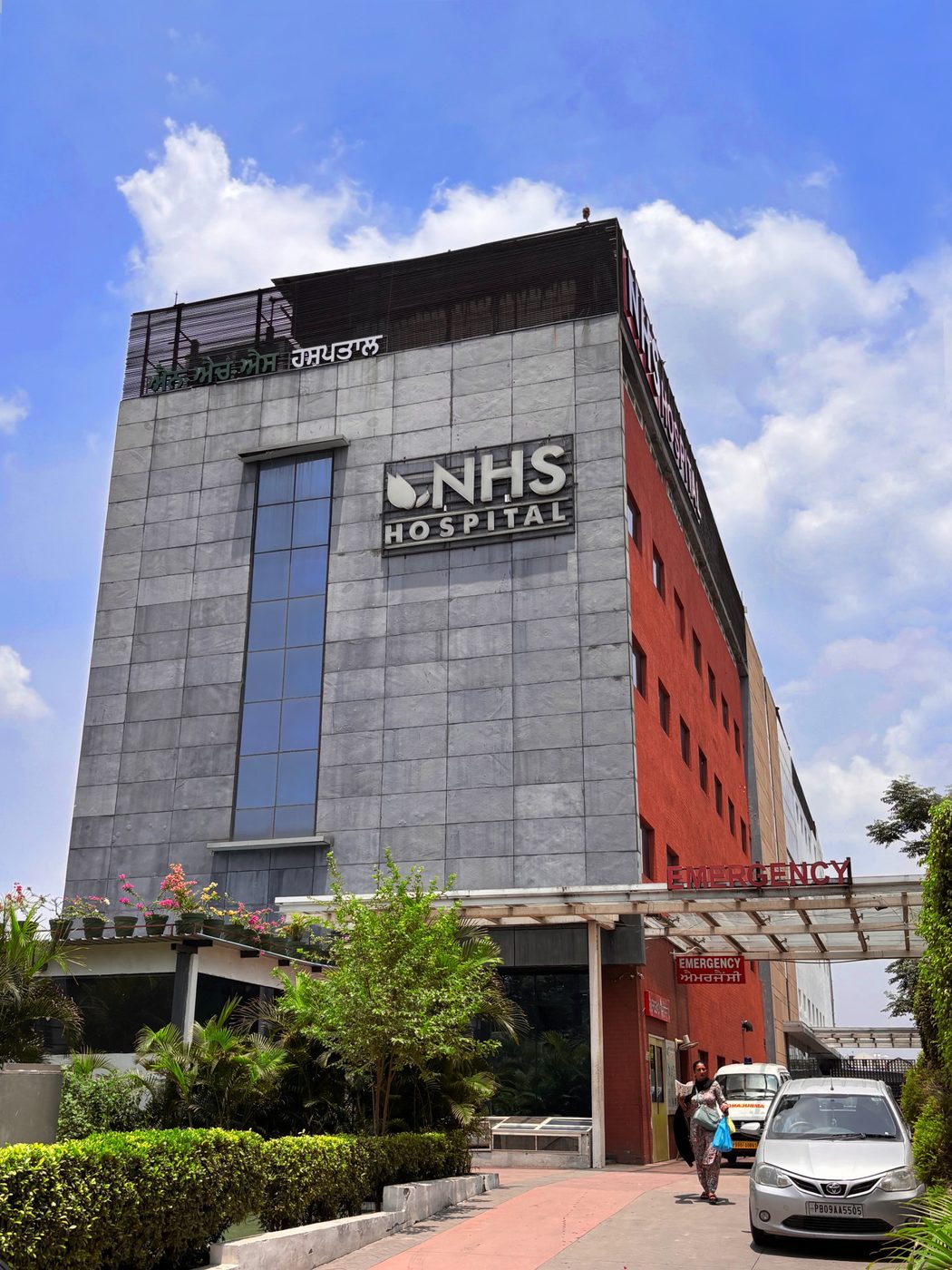
NHS Hospital, Jalandhar
Near Sports College, 300m from Kapurthala Chowk.
Most of the dread around an admission comes from not knowing the order of events. Here is that order, followed for every planned case.
A patient relationship executive walks you through dates, a costing and the practical arrangements. The pre-anaesthetic check-up is started, medicines that need adjusting are adjusted, and the insurance approval is chased before you ever arrive.
Scans and blood work happen in the radiology and pathology wings here. Reports land digitally the moment they are signed off and go straight to the senior consultant. If another department needs to weigh in — nephrology, cardiology — that is arranged now, not on the day.
Whether the anaesthetic is regional or general follows from the operation planned and from your own condition. Once you are admitted, your care sits with the senior consultant, and there are critical care physicians and nursing staff on the floor at every hour of the day.
There is a short watched period after the procedure, then discharge — same day for many, next morning for the rest. Before you leave, a complete medical summary is written up and someone sits with you on the tablets to take home, care of the wound, what to eat and the number to ring if anything changes.
You leave with a folder: what to eat, and when to come back. In between, the nursing station telephones to check on you, and the consultant sees you again to confirm the recovery is going the way it should.
Give your policy card and ID to the Cashless Desk when you check in. Coordinators assemble the clinical file and put it to your TPA; approval typically lands within two to four hours.
Check your policyCashless treatment is available at Jalandhar: the hospital holds empanelment with each of the insurers and third-party administrators below.
Testimonials recorded at NHS Hospital, Jalandhar. These are general hospital stories rather than urology cases.
Ethical Treatment, Exceptional Outcomes — Patient Testimonial
A patient on being given straight answers at every step, and on how the treatment turned out.
From Surgery Recommendation to Complete Healing with Medicine
Surgery had been recommended; careful medical treatment saw this patient through instead.
"Very good team of doctors in the modern equipped hospital. The hospital is very neat and clean with good infrastructure. The staff is also very polite and empathetic."
"Our experience from the reception to the MRI Center and other laboratories was just perfect. The minute we entered I think half the battle was won as the whole hospital gave such confidence and a positive vibe."
"Patients get reminder messages and a call from reception before time. Hospital staff is very punctual and polite."
Regional and English press coverage of the hospital. None of these clippings is about urology — they are here because they say something about the place the urology department sits inside. Tap a cutting to read it full size.
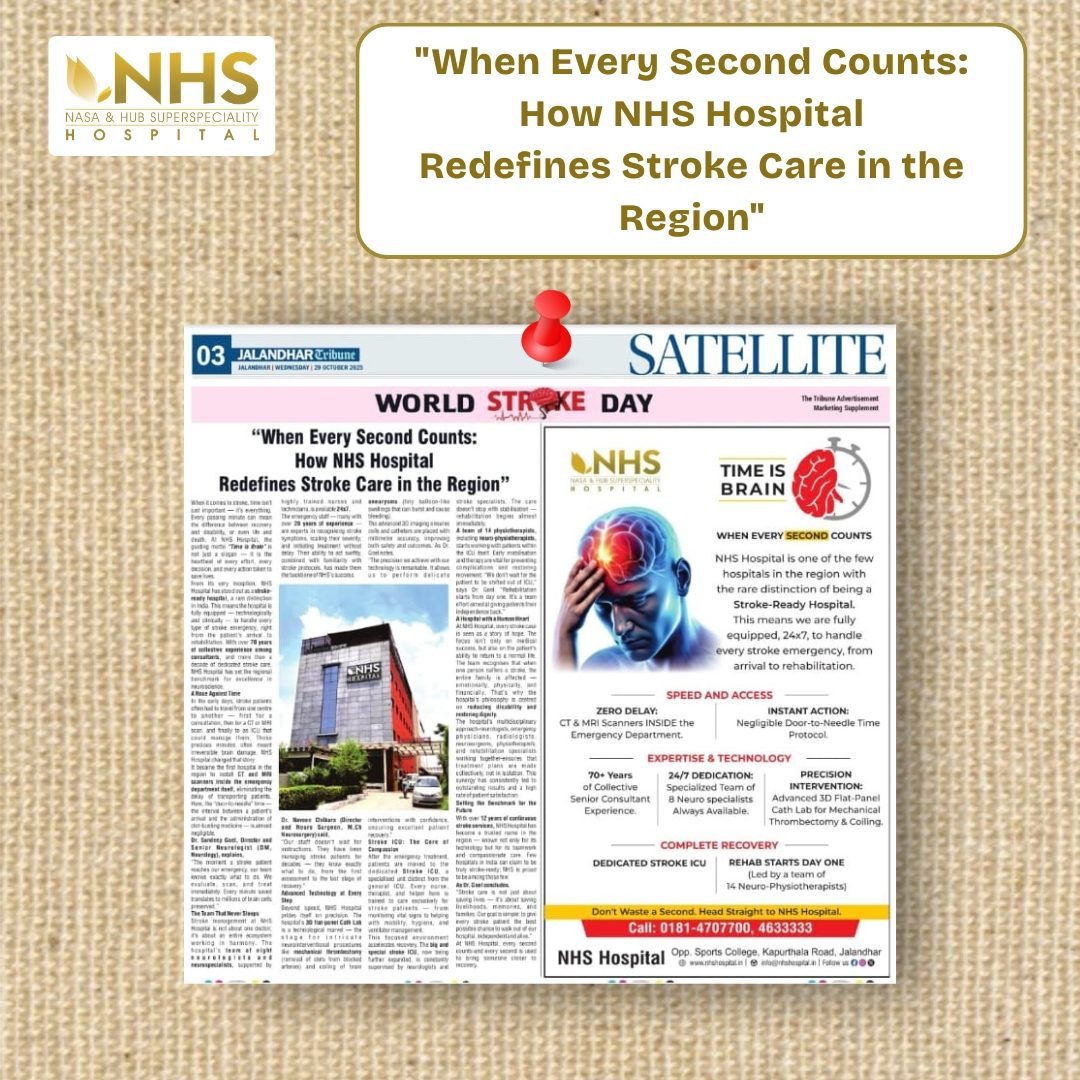
"When Every Second Counts: How NHS Hospital Redefines Stroke Care in the Region"
World Stroke Day feature
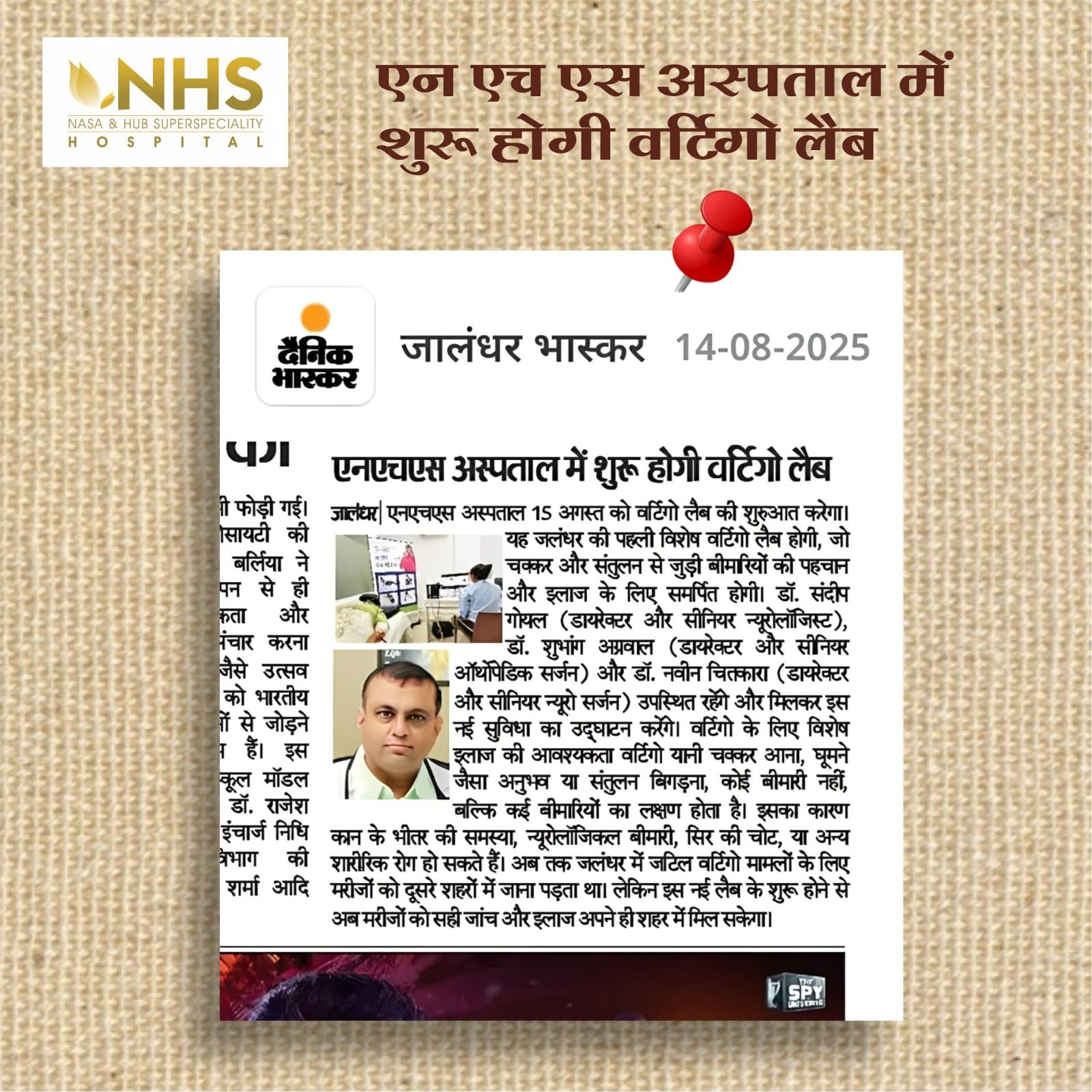
Vertigo lab launched at NHS Hospital
Dainik Bhaskar · 14 August 2025
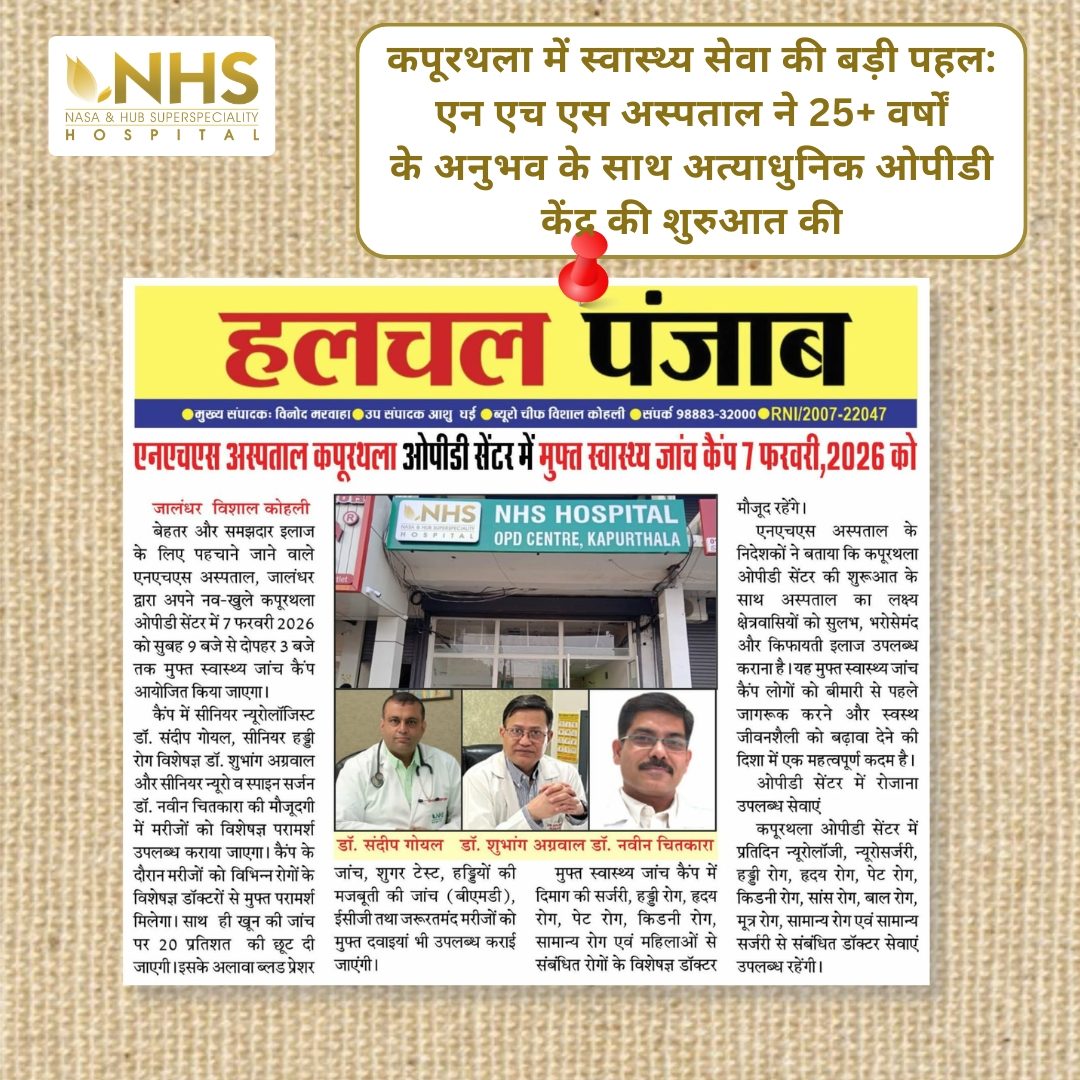
New outpatient centre opened at Kapurthala
Outreach OPD coverage
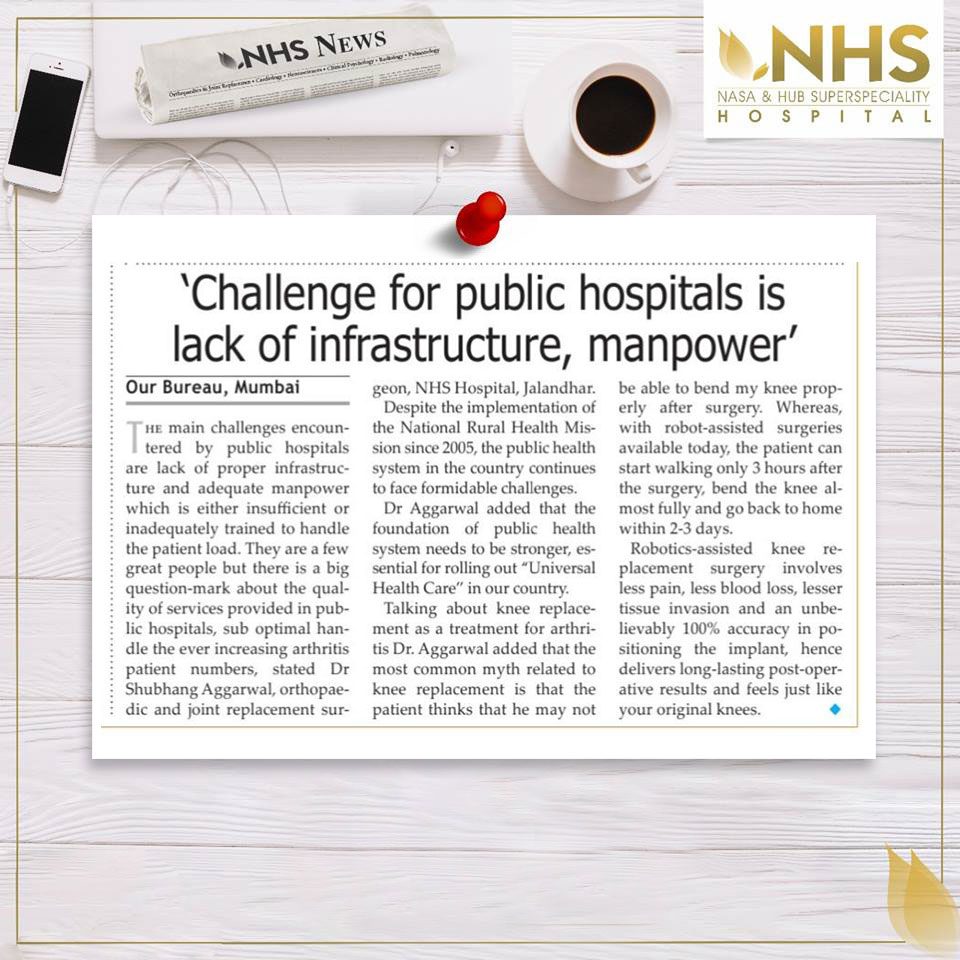
"Challenge for public hospitals is lack of infrastructure, manpower"
Quotes Dr. Shubhang Aggarwal
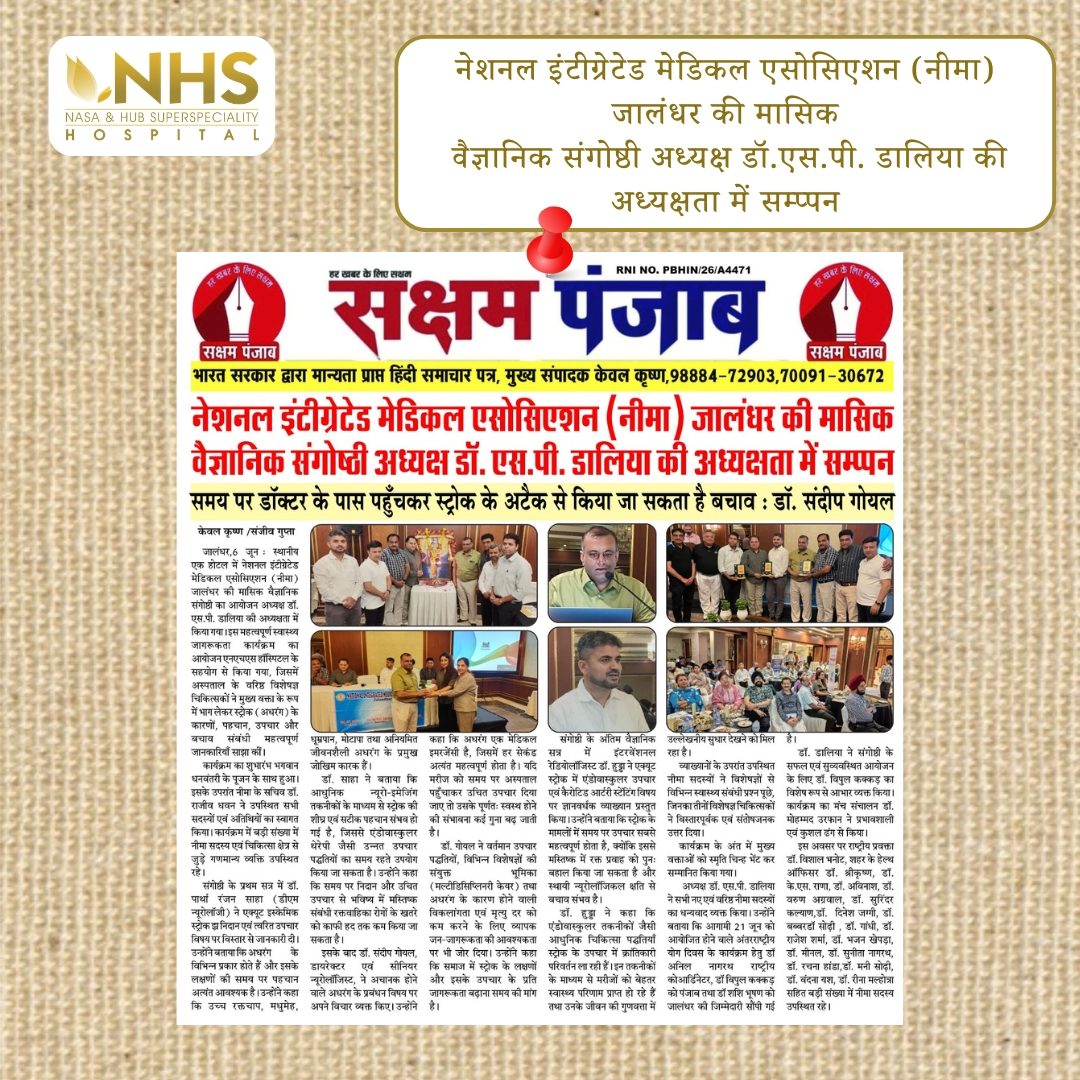
NIMA Jalandhar scientific symposium hosted at NHS
Regional-language coverage
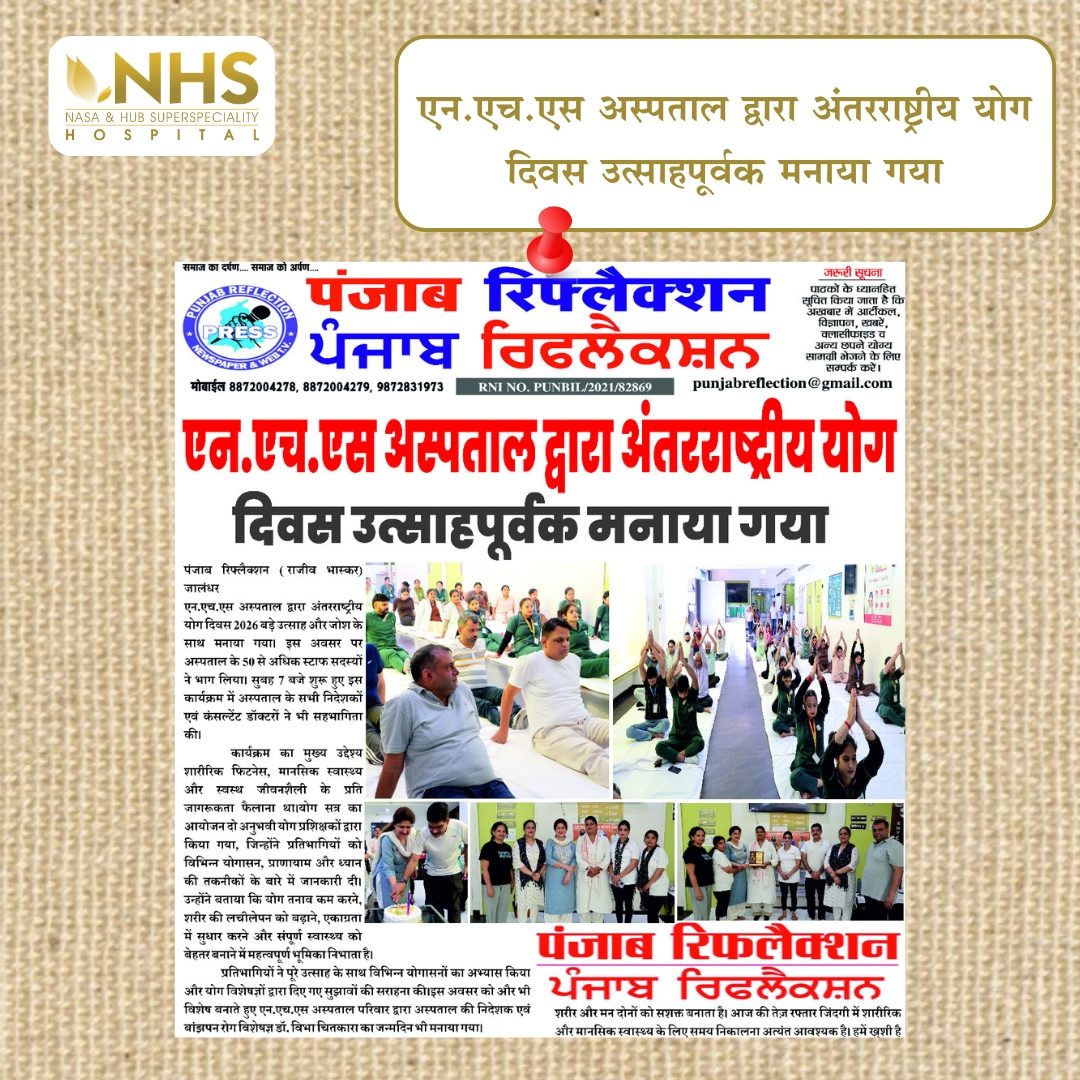
International Yoga Day at NHS Hospital
Regional-language coverage
Many small ones do. What settles it is the size, where it has lodged, and whether the kidney behind it is being obstructed. If waiting is the safer course, you will be told that.
Four, and the size and position of your stone decide which one. Medical management involves no operation at all. Ureteroscopy — URS and RIRS — reaches the ureter and the kidney through the urinary tract. PCNL is the keyhole route for a heavy stone load. And where a stone sits in the renal pelvis, laparoscopic pyelolithotomy is an option too.
It is keyhole surgery for benign prostatic hyperplasia (BPH), in which laser energy strips out the tissue narrowing the channel. Weighed against the conventional operation, men are typically discharged sooner, spend less time with a catheter, and hit fewer problems on the way through.
For most laser stone procedures it is one night. Where a stent has been left in, it comes out at a short follow-up visit.
Older men generally tolerate it better than the conventional operation, largely because it bleeds so little. Men on blood thinners can be listed as well, once a cardiac clearance is in hand.
They can. At the post-procedure review your consultant goes through the follow-up schedule and the prevention measures that apply to your particular stone.
That is precisely the situation the laser is picked for — holmium and thulium energy keeps bleeding to a minimum. Your fitness is still assessed on its own merits before a date goes into the book.
The ones to know about are a short spell of difficulty passing urine, urinary tract infection, urethral narrowing and dry orgasm. Erectile dysfunction happens but is rare. Every one of them is less likely than with the conventional surgical route, and all of them are talked through with you before you consent.
Flow usually improves and stays improved for years afterwards. A further procedure only becomes necessary where obstructing tissue was left behind, or where it grows back with time.
Either regional or general, chosen on the basis of the operation planned and your own condition. Afterwards you are watched for a short spell, then discharged — the same day in many cases, the next morning otherwise.
Yes. Laparoscopic radical nephrectomy, radical prostatectomy and radical cystectomy are all done here, along with TURBT for bladder tumours and radical penectomy and orchiectomy. Going in laparoscopically does not compromise how completely the cancer is cleared; what it cuts is the blood loss, the pain afterwards and the time you spend recovering.
If you are healthy and have nothing on your record, once a year does the job — and it matters more once you pass 40. Six-monthly testing is often advised instead where there is diabetes, high blood pressure, heart disease, kidney disease in the family, years of painkiller use, or urinary infections that keep returning. The test itself is nothing more than a urine analysis and a blood creatinine.
Yes — the hospital is empanelled with the major insurers and third-party administrators. Hand your policy card and ID over at the Cashless Desk when you are admitted, and the coordinators build the file for your TPA; approval usually comes through in two to four hours. Prefer to check beforehand? Send the policy card along with the doctor's recommendation to info@nhshospital.in.
There is a urology OPD at the NHS OPD Centre in Ferozepur on the 2nd and 4th Tuesday of every month, between 3:00 PM and 5:00 PM. The Jalandhar OPD itself runs Monday to Saturday, 10:30 AM to 3:00 PM, by appointment.
Talk to our coordinator today. Near Sports College, 300m from Kapurthala Chowk, Jalandhar — 144001.