Near Sports College, Jalandhar · 200-bed tertiary care 24/7 Emergency 0181-4707700
Kidney Failure & Dialysis · Jalandhar

Dialysis and kidney failure care in Jalandhar, without the waiting.

24/7 high-efficiency haemodialysis, bedside ICU dialysis, CRRT and SLED for unstable patients, ultrasound-guided renal biopsy and treatment for glomerular disease. Consultant-led, backed by 45 critical care beds.

Scheduled dialysis slots
Emergency dialysis
Cashless TPA

Request a nephrology appointment

For urgent dialysis, please call — we answer 24/7.

Request received. Our coordinator will call you shortly.
0/7
Emergency & admissions
0
Critical care beds
0
287 Google reviews
0+
Super-specialists
Department of Nephrology

Kidney care from the first blood test to long-term dialysis

Kidney and urinary tract problems are treated here at any age, from a newborn to a patient in their eighties. Four things that usually sit in four different buildings — high-end diagnostics, ICU kidney support, bedside procedures and a running dialysis unit — are all on this campus. That matters practically: when your treatment changes, you do not have to change hospitals.

Nephrology OPD, Jalandhar
Monday to Saturday, 10:30 AM to 3:00 PM, with appointment.
Also at PIMS Hospital, Jalandhar
Consultant nephrologist OPD every Tuesday and Friday, 2:00 PM to 5:00 PM.
NHS OPD Centre, Kapurthala
General medicine and liver/kidney care, every Wednesday, 2:00 PM to 4:00 PM.
Book a nephrology consult
Critical care nephrology — kidney support in the ICU

Some patients are too unwell for a standard dialysis session — the blood pressure will not hold, or the fluid and electrolyte picture has swung too far. Acute kidney injury in that setting is handled with Sustained Low-Efficiency Dialysis (SLED) and Continuous Renal Replacement Therapy (CRRT), which clean the blood slowly and steadily rather than in a short burst, so toxins and fluid come off at a rate an unstable patient can tolerate while the underlying illness is being treated. Where the clinical picture calls for it, the team also runs plasmapheresis (PLEX), hemoperfusion and CytoSorb.

Interventional nephrology — the bedside procedures

These are the small procedures that make dialysis possible in the first place. When dialysis cannot wait, an IJV, subclavian or femoral haemodialysis catheter goes in and the first session starts the same day. Patients heading for years of treatment instead get a permcath, which holds a dependable blood flow and carries a lower infection risk than a temporary line, or an AVF. CAPD catheterisation is routine work here too. Separately, an ultrasound-guided renal biopsy takes a fragment of kidney tissue to the microscope, and that is often the only way to put a name to glomerulonephritis, nephrotic syndrome or a kidney that is failing for no obvious reason.

Maintenance haemodialysis — the weekly routine

Once end-stage kidney disease is reached, the kidneys are no longer clearing waste or shifting surplus fluid, and a machine has to take over that job. Blood leaves the body, passes through an artificial filter and comes back cleaned. Most patients come in several times a week; between them, the sessions hold blood pressure steady, keep fluid at a safe level and strip out the toxins the kidneys are letting through. Infection control in the unit is tightly protocol-driven, and the nursing team spends as much time explaining the treatment as delivering it.

Glomerular diseases — when the filters themselves fail

Each kidney holds around a million glomeruli, the microscopic filters that pull waste and surplus fluid out of your blood. Diabetes, an autoimmune condition or an infection can damage them, and the damage tends to announce itself in one of four ways: protein leaking into the urine, blood showing up in it, swelling, or a blood pressure that will not settle. FSGS, lupus nephritis, IgA nephropathy and membranous nephropathy are the ones we see most. Catching them early is what keeps them from turning into chronic kidney disease later.

Adult nephrology — the everyday caseload

Most of the OPD list falls here: acute kidney injury, chronic kidney disease, ADPKD, and kidneys damaged by diabetes or by years of untreated hypertension. High blood pressure, electrolyte imbalances and diabetes mellitus are managed in the same clinic rather than referred out. Every plan starts with a proper workup, sticks to the evidence, and pairs the medicines with the diet and lifestyle changes that hold on to whatever kidney function is left.

Urinary tract infections — and stopping them recurring

"UTI" is a catch-all label for an infection anywhere along the urinary tract — kidneys, bladder or urethra. Women get them far more often than men, and in most cases the infection stays low down, in the bladder or urethra. It becomes a bigger problem when it climbs to the kidney; that is pyelonephritis, and it is treated differently. Clearing the current episode is only half the consultation. The other half is working out why it keeps happening and closing that door.

Paediatric nephrology — infants, children and teenagers

A child's kidney is still growing, and that changes both the diagnosis and the dose — paediatric nephrology exists for exactly that reason. The conditions seen here run from kidneys that formed abnormally before birth, through nephrotic syndrome and acute kidney injury, to disorders further down the urinary tract. The diagnostics are the same standard as the adult service; what is added is a way of working that keeps parents inside the decision rather than outside it.

The dialysis unit

What the dialysis service covers

High-efficiency haemodialysis runs round the clock. If you are too unwell to be moved, the dialysis comes to your ICU bed instead. And the counselling that goes with long-term kidney management is part of the service, not an extra.

Dialysis

Maintenance haemodialysis

Your blood runs through an artificial filter and comes back clean — usually several sessions a week, holding blood pressure, fluid levels and toxin load where they should be. You get a fixed weekly slot so the rest of your life can be planned around it, and the same nursing team every time.

Predictable slots · Same team
ICU

Critical care nephrology

When a patient cannot be moved, the machine is brought to the bed. SLED and CRRT clear the blood slowly enough for an unstable patient to tolerate. There are 45 critical care beds behind this, with intensivists on them.

SLED & CRRT at the bedside
Diagnosis

Renal biopsy & diagnosis

Where a diagnosis will not come from bloods alone, a renal biopsy under ultrasound guidance settles it — glomerulonephritis, nephrotic syndrome, or a kidney failing for reasons nothing else explains. Pathology is in the same building.

Ultrasound-guided · On-site pathology
Access

Access & catheter care

Dialysis starting today means an IJV, subclavian or femoral catheter. Dialysis for the next several years means a permcath or an AVF. Both are placed here, under the same infection-prevention discipline.

Permcath · AVF · CAPD catheter
Procedures & therapies

Everything on the department's list

Three columns, because kidney work divides three ways: the therapies that replace kidney function, the procedures that make them possible, and the years of follow-up that come after.

Dialysis & blood purification

  • Maintenance haemodialysis
  • 24/7 high-efficiency haemodialysis
  • Haemodiafiltration (HDF)
  • Sustained Low-Efficiency Dialysis (SLED)
  • Continuous Renal Replacement Therapy (CRRT)
  • Peritoneal dialysis
  • Plasmapheresis (PLEX)
  • Hemoperfusion and CytoSorb

Interventional nephrology

  • IJV, subclavian and femoral HD catheter placement
  • Permcath placement for long-term access
  • AVF (arteriovenous fistula) creation
  • CAPD catheterisation
  • Ultrasound-guided renal biopsy
Where the situation is an emergency, the IJV, subclavian or femoral line goes in straight away — that is what lets the first haemodialysis session start without a wait.

Long-term kidney care

  • CKD review every 3 to 6 months by stage
  • Monitoring of blood urea, serum creatinine and eGFR
  • Blood pressure and diabetes control
  • Dietary guidance and medication management
  • Counselling for renal transplant
Transplant surgery is handled by Dr. Satinder Pal Aggarwal, MS, MCh (Urology), urologist and kidney transplant surgeon at NHS. See urology
Conditions we treat

Kidney problems the department manages

If your diagnosis or your report mentions any of these, this is the right department for you.

Kidney function
Acute kidney injury (AKI) Chronic kidney disease (CKD) End-stage kidney disease Diabetic kidney disease Hypertensive kidney disease ADPKD Electrolyte imbalances
Glomerular disease
FSGS Lupus nephritis IgA nephropathy Membranous nephropathy Glomerulonephritis Nephrotic syndrome Protein or blood in urine
Infection & children
Urinary tract infections Pyelonephritis Recurrent UTI in women Congenital kidney abnormalities Paediatric nephrotic syndrome AKI in children
NHS patient education graphic titled Living Well on Dialysis: Can You Lead a Normal Life?, showing a patient seated in a dialysis chair beside a dialysis machine

From our patient education series: living well on dialysis.

Life alongside treatment

Will dialysis take over my life?

It is almost always the first question in the room after a chronic kidney disease diagnosis, and families usually ask it before the patient does. The honest answer is no — not if the treatment is built around your week rather than the other way round. Jobs, travel and a social life all survive dialysis. What decides it is how neatly the sessions slot into the routine you already have, and that is a scheduling conversation as much as a medical one.

Diet

A kidney-friendly plate, kept balanced. You are given the dietary guidance as part of the treatment plan rather than a leaflet on the way out.

Fluid and salt

Too much salt or water between one session and the next puts the load on your heart, not your kidneys. The ceiling is set for you personally, not from a chart.

Work and travel

Tell us the days that cannot move — a shift, a wedding, a trip — and the slots get planned around them.

Emotional wellbeing

Getting used to dialysis is not purely a physical adjustment. A support group, keeping up with people, a hobby, or counselling where it is wanted — all of it counts.

Four things we ask of you in return
  • Eat to the kidney-friendly plan, and keep it balanced
  • Keep moving, within the limits your doctor sets
  • Do not skip sessions, even on a week when you feel fine
  • Turn up for the reviews between sessions, not only the dialysis
Screening & early detection

A failing kidney does not hurt. That is the problem.

Unlike a bad knee or a bad heart, kidneys give you almost no warning. They can lose function quietly for years while you feel perfectly well, and the first clear symptom often arrives only after a great deal of damage is already done. This is why the disease gets called silent. The counter to it is unglamorous: a blood test and a urine test, cheap and over in minutes, that will show a problem long before your body does.

Once a year
Enough for an adult with nothing else going on. One test a year gives your doctor a baseline to measure against, so a small drift shows up as a drift rather than a surprise. Past 40 it counts for more, since kidney function tapers off with age anyway.
Every 6 months
The interval for anyone carrying extra risk. Where chronic kidney disease is already diagnosed, the review comes round every 3 to 6 months — how often depends on the stage — tracked on blood urea, serum creatinine and eGFR.
Test twice a year if this is you
  • Diabetes
  • High blood pressure
  • Heart disease
  • A family history of kidney disease
  • Long-term use of painkillers
  • Recurrent urinary tract infections
Book a test this week if you notice
  • Swelling of the feet or face
  • Unexplained fatigue
  • Changes in urination
  • Persistent foamy urine
  • Rising blood pressure

Do not wait for a second sign. A good number of people on our nephrology list never reached dialysis at all, because they were assessed in time, changed what needed changing and started treatment early.

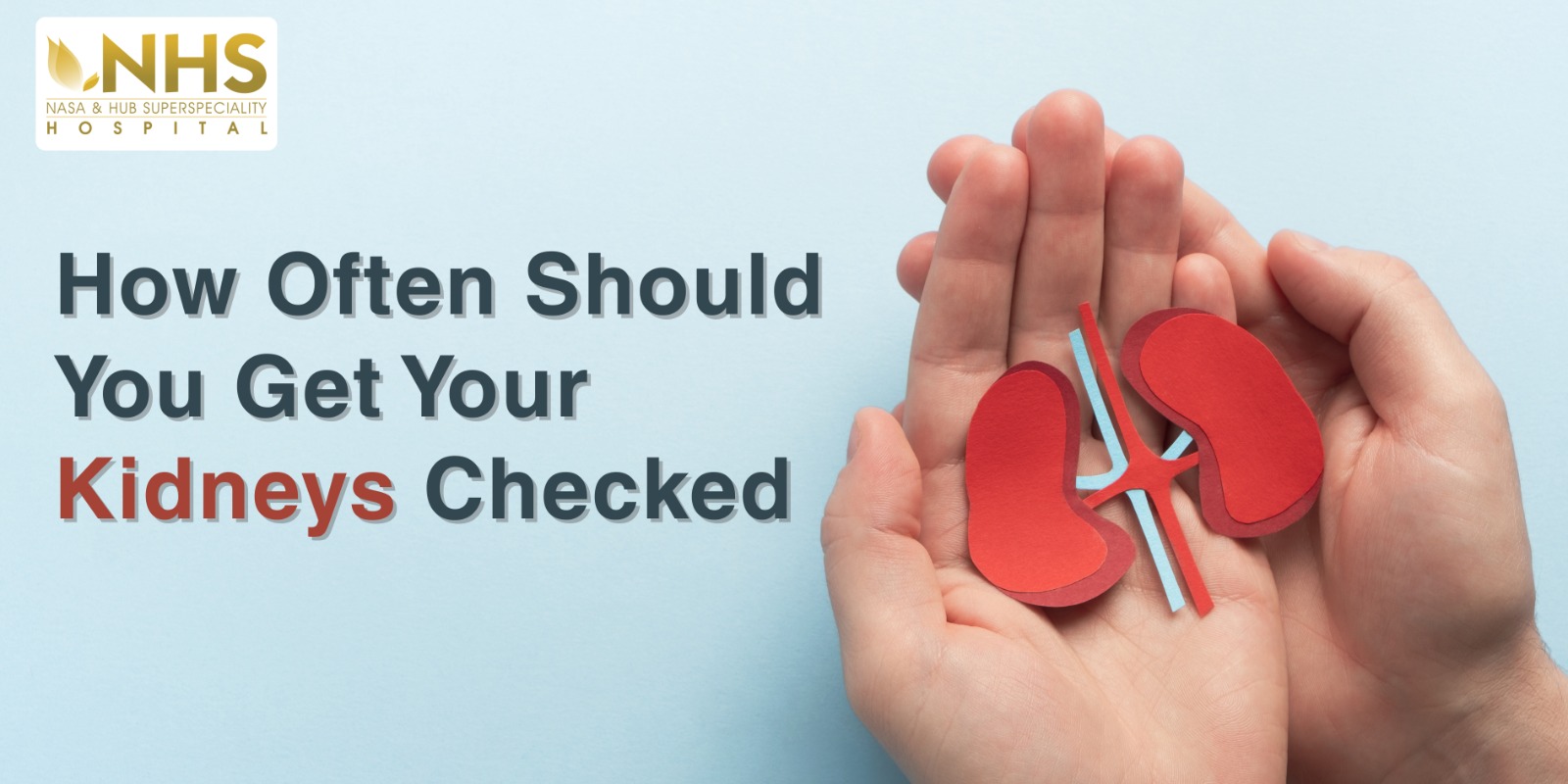
NHS patient education graphic titled How Often Should You Get Your Kidneys Checked, showing hands cradling a kidney illustration

From our patient education series: how often to get your kidneys checked.

Risk-focused screening add-ons
Diabetes control module
HbA1c, microalbuminuria and a diabetic neuropathy screen.
Hypertension risk module
Renal artery Doppler, serum electrolytes and uric acid.

Both can be added to an NHS preventive health package, alongside full metabolic and renal checks.

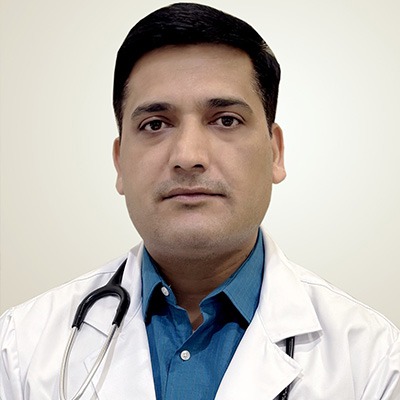
Dr. Sanjay Kumar Sharma, Consultant Nephrologist
Who you will see

Dr. Sanjay Kumar Sharma, Consultant Nephrologist

MBBS, MD, DNB (Nephrology). Nephrology & Kidney Care, NHS Hospital Jalandhar. Patients are seen for chronic kidney disease, acute kidney injury, dialysis planning, hypertension and glomerular disease, with treatment adjusted as the disease and your life change.

MD, DNB
Nephrology
Mon to Sat
OPD 10:30 AM to 3 PM, with appointment
ICU support
45 critical care beds
Areas of expertise
Critical care nephrology including CRRT, SLED & HDF Kidney transplantation, ABOc & ABOi Paediatric nephrology Interventional nephrology Glomerular diseases Chronic kidney disease Acute kidney injury Haemodialysis Peritoneal dialysis
Request an appointment
Technology & infrastructure

The equipment behind the treatment

A newer dialysis system does not just filter faster. It runs to tighter tolerances, leaves the patient less wrung out afterwards and shortens the time it takes to feel normal again — which is most of the reason life on dialysis looks different now than it did a decade ago. The unit does not stand alone either; it draws on the hospital's critical care, radiology and infection-control setup, pictured below.

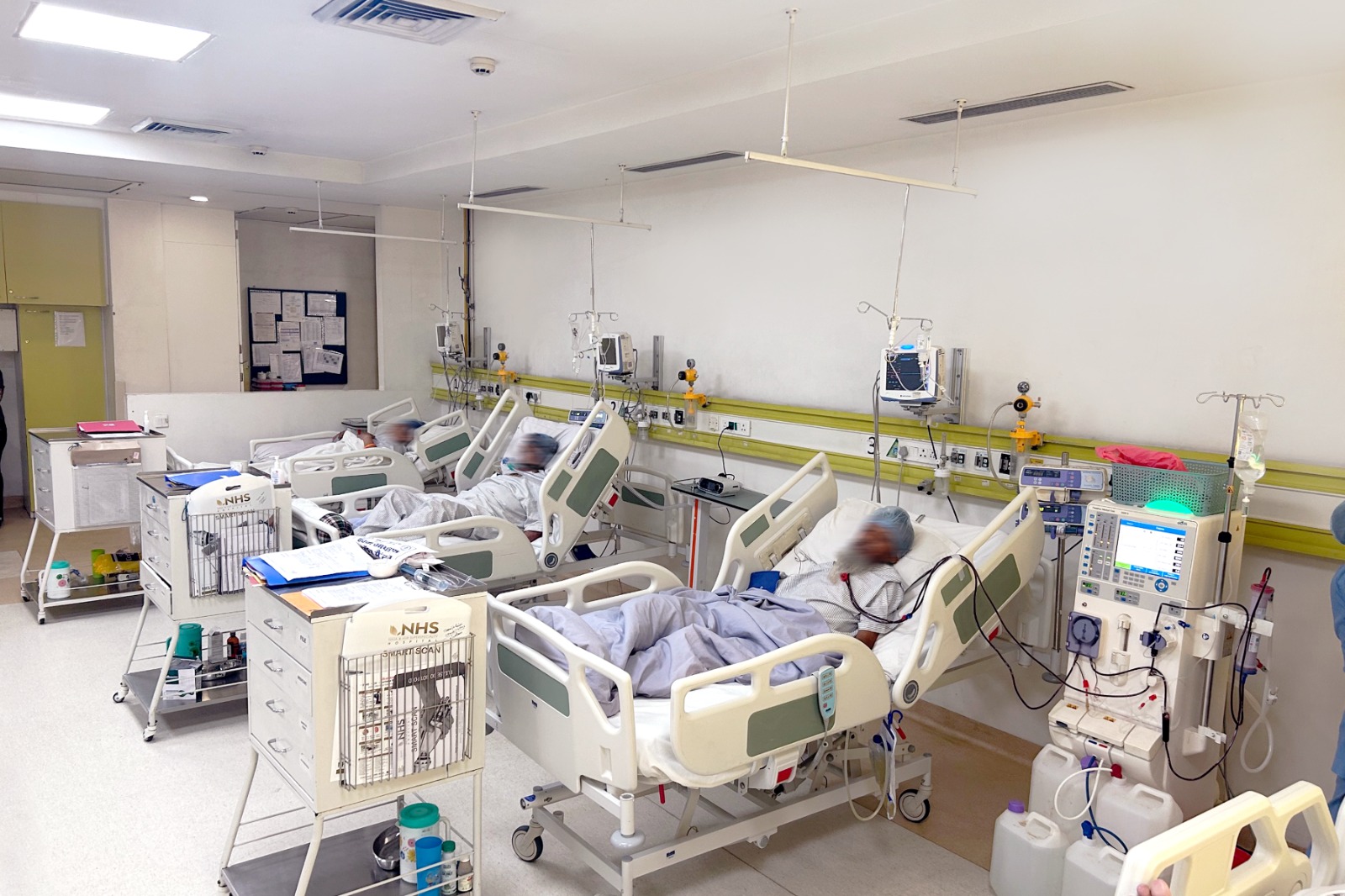
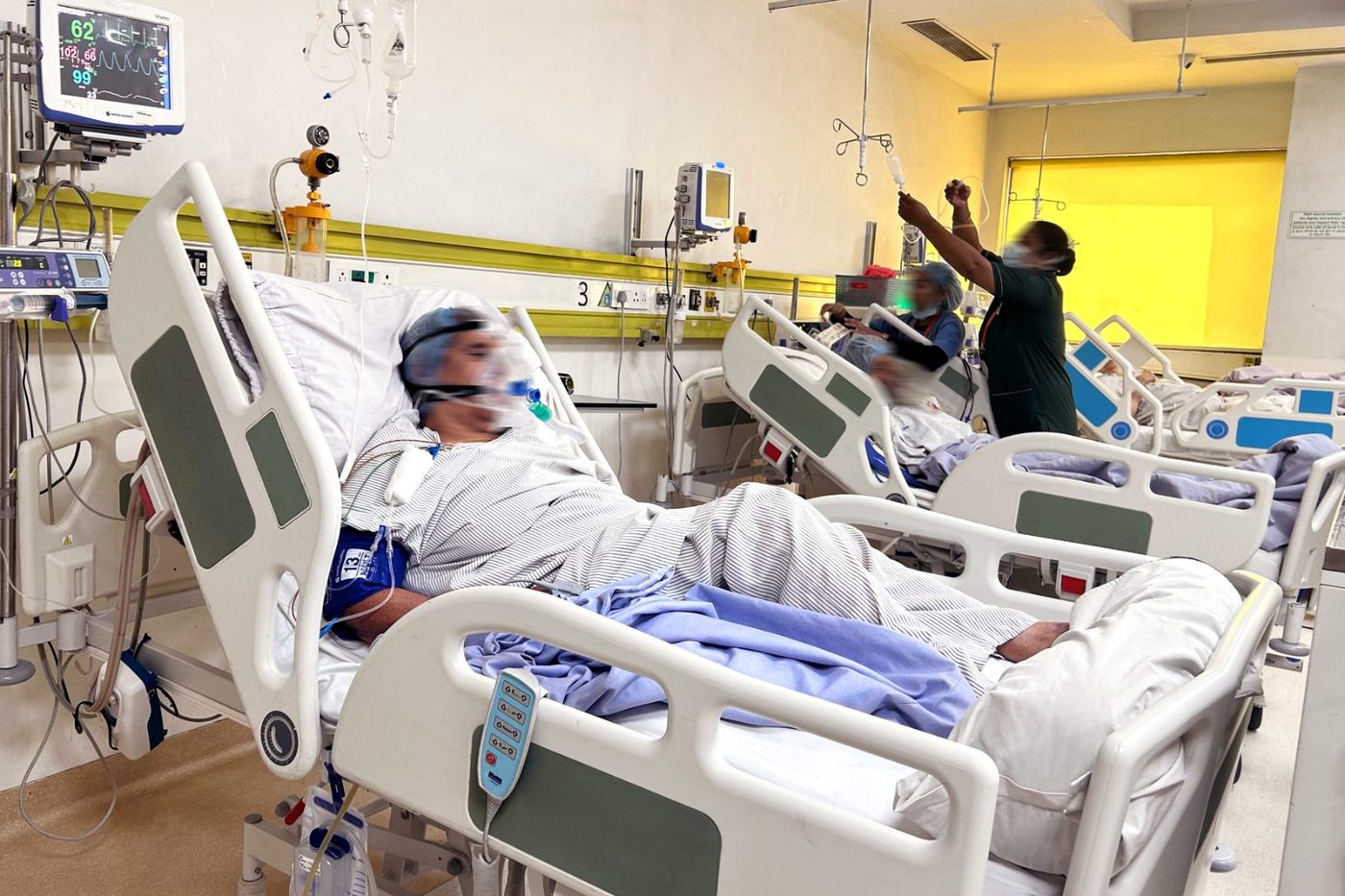
Intensive care unit with beds, ventilators and monitors
Our intensive care unit, where bedside dialysis, SLED and CRRT are delivered.
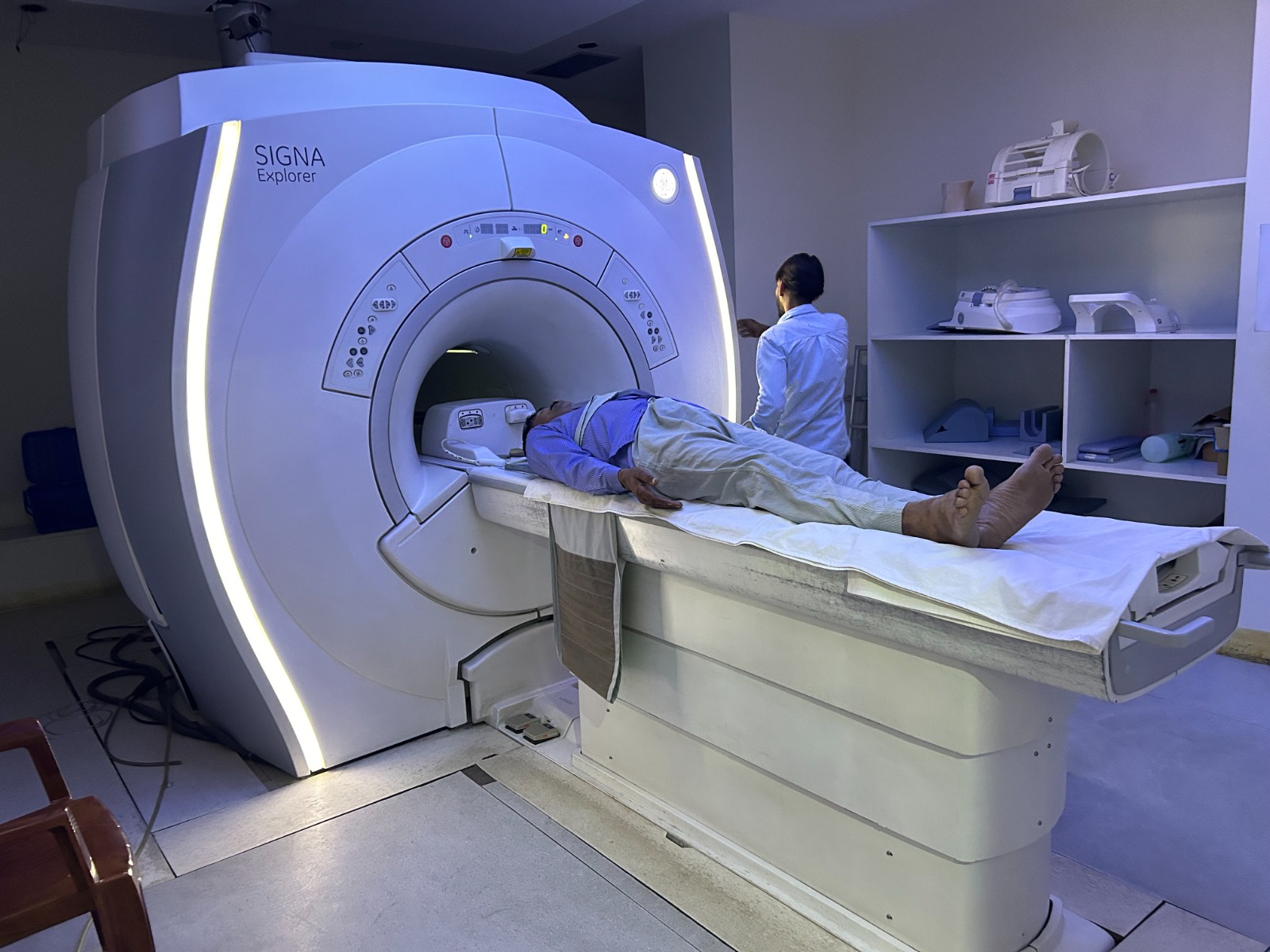
Silent MRI scanner with a patient on the table
Silent MRI, part of the on-site radiology department alongside low-radiation CT and ultrasound.
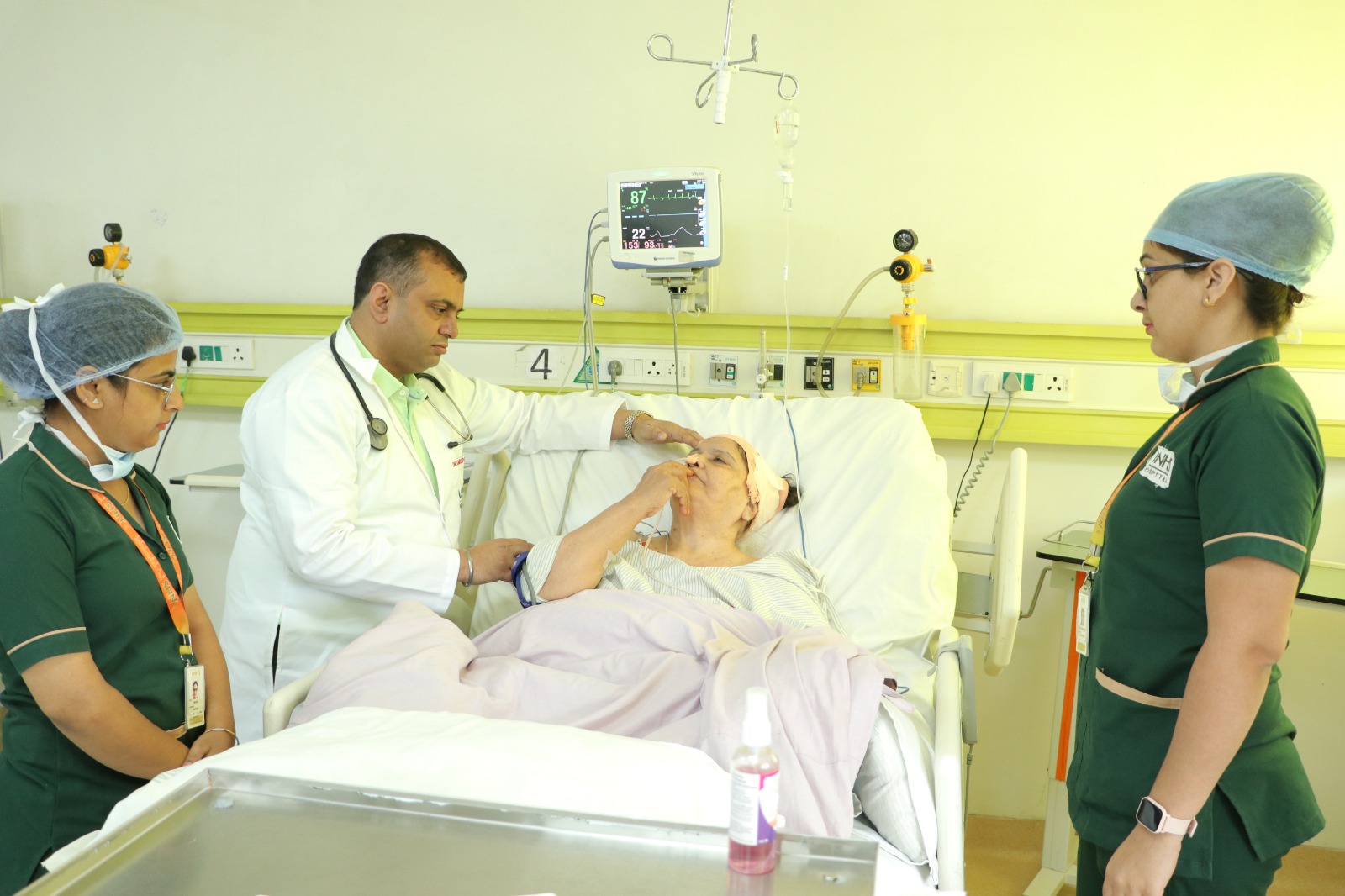
Doctor and two nurses attending a patient in a ward bed
Nursing team attending a patient. Nursing cover runs through the night, not only during session hours.

Dialysis machines

Current-generation machines, run under infection control rules that nobody in the unit gets to bend. Effective treatment and safe treatment are not separate goals here.

45-bed intensive care

Surfaces in the unit are swabbed and cultured on a regular cycle, because the patients in those beds have the least margin for a hospital-acquired infection. A senior consultant oversees the floor at every hour of the day.

Imaging & diagnostics

Silent MRI, low-radiation Revolution CT, ultrasound and digital X-ray are all in the building, and the lab does not close. A renal workup can be finished here without sending you across town for a scan.

Infection control

Nothing leaves the Central Sterile Services Department until it has cleared both chemical and biological monitoring. Antibiotic prescribing sits under a stewardship programme, which is how resistant organisms are kept from taking hold.

Inside the hospital

Where your kidney care actually happens

Photographs from the wards, the critical care unit and the outpatient department at our Jalandhar hospital. Tap any picture to open it full size.

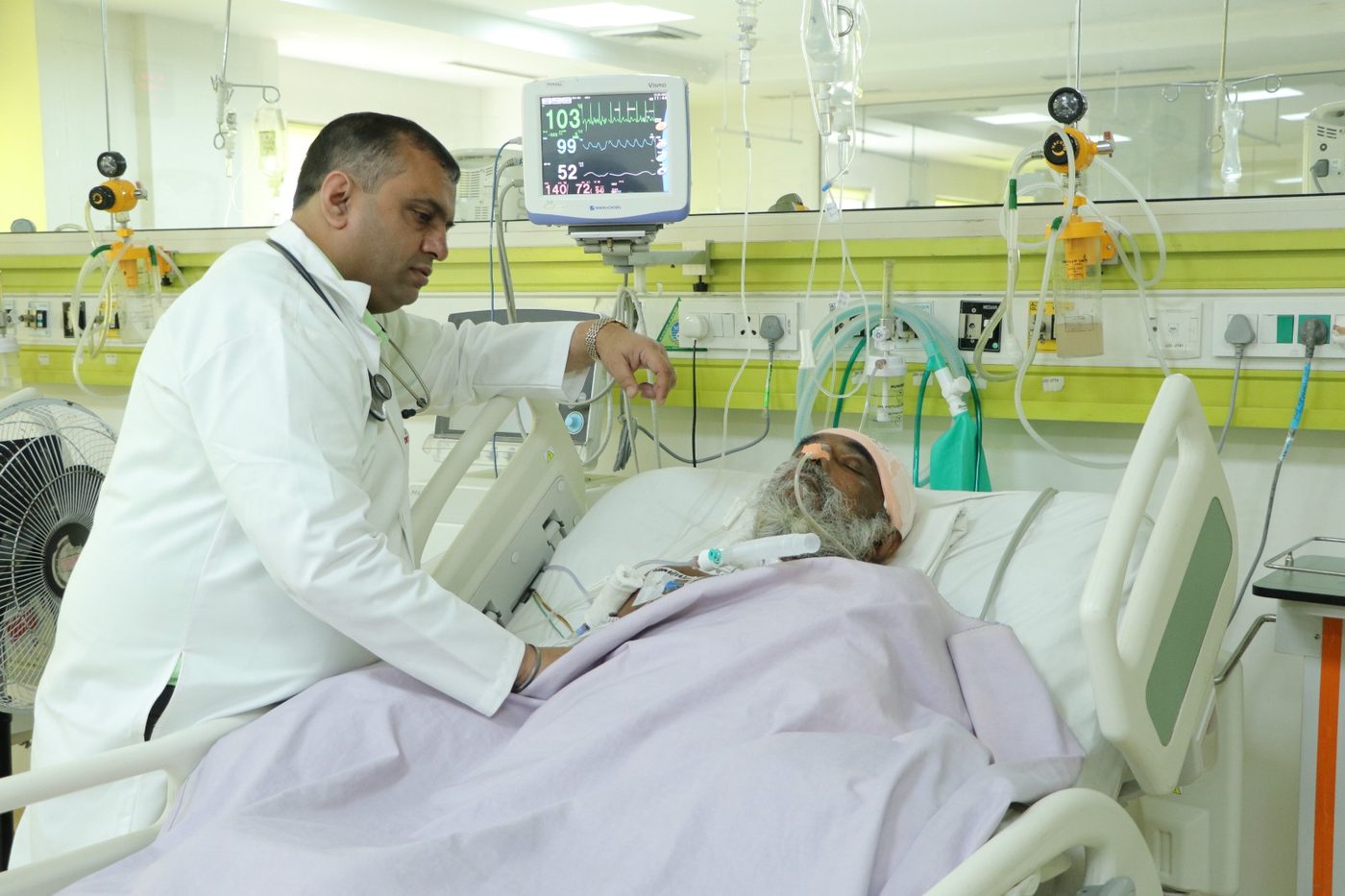
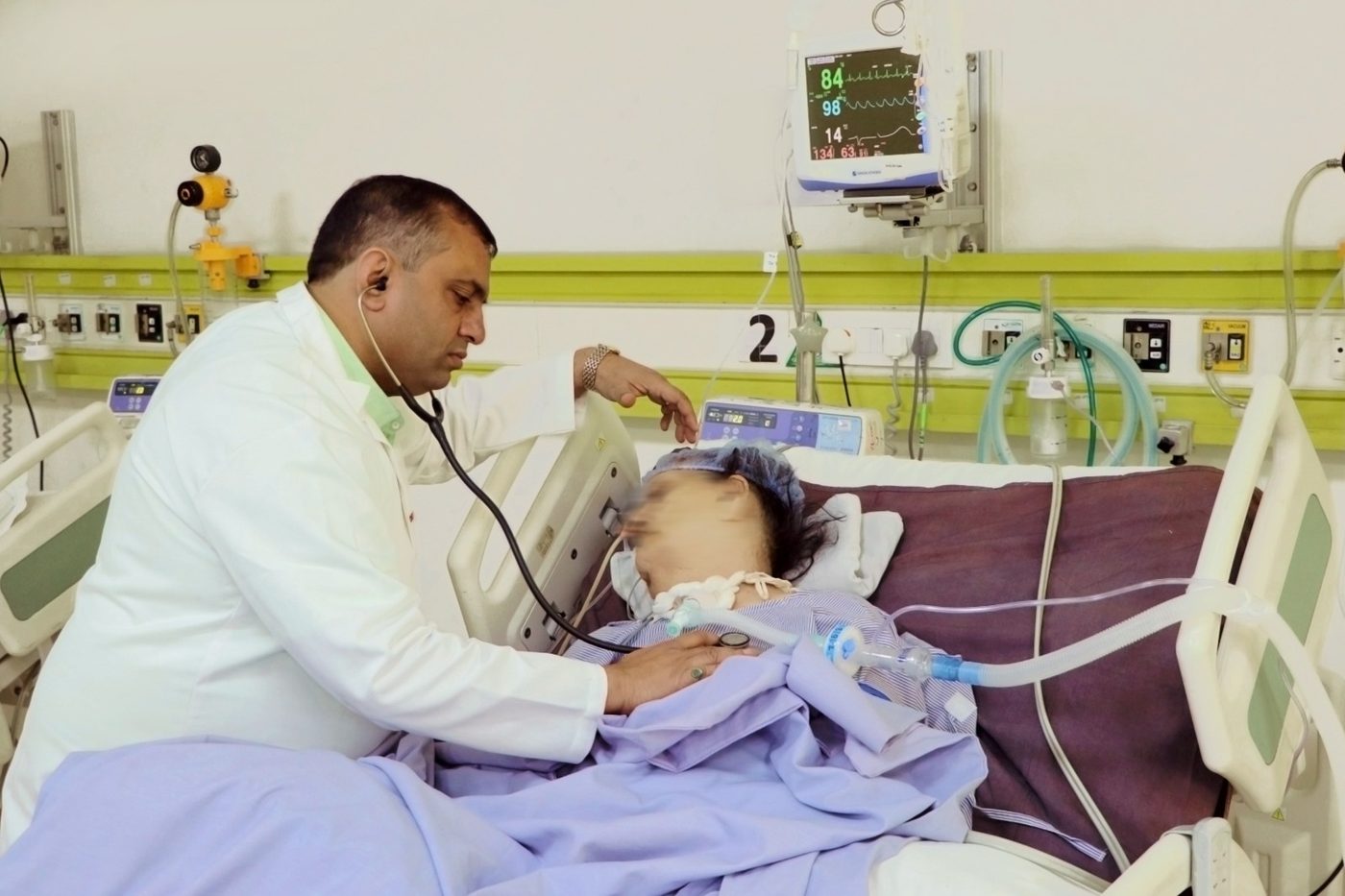
Consultant reviewing a patient in critical care at NHS Hospital, beside a bedside monitor
Critical care — SLED, CRRT and bedside dialysis are run here for patients too unstable to move.
Inpatient ward bed at NHS Hospital with a patient and a bedside monitor
Inpatient ward — dialysis patients are admitted here when they need to stay in.
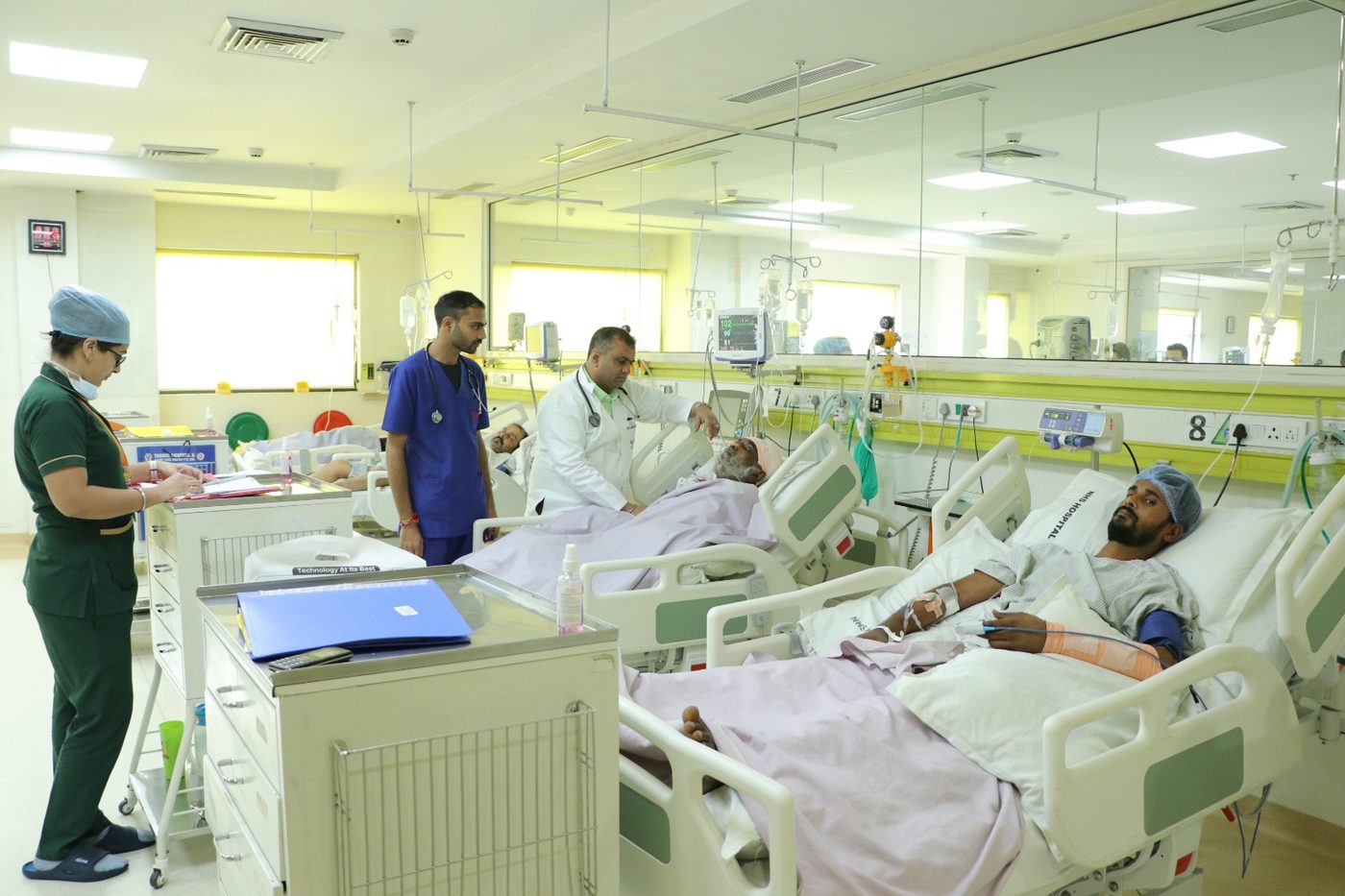
Nursing staff and doctors on a ward round between monitored beds at NHS Hospital
Nursing staff on the ward. The same faces look after your weekly slots.
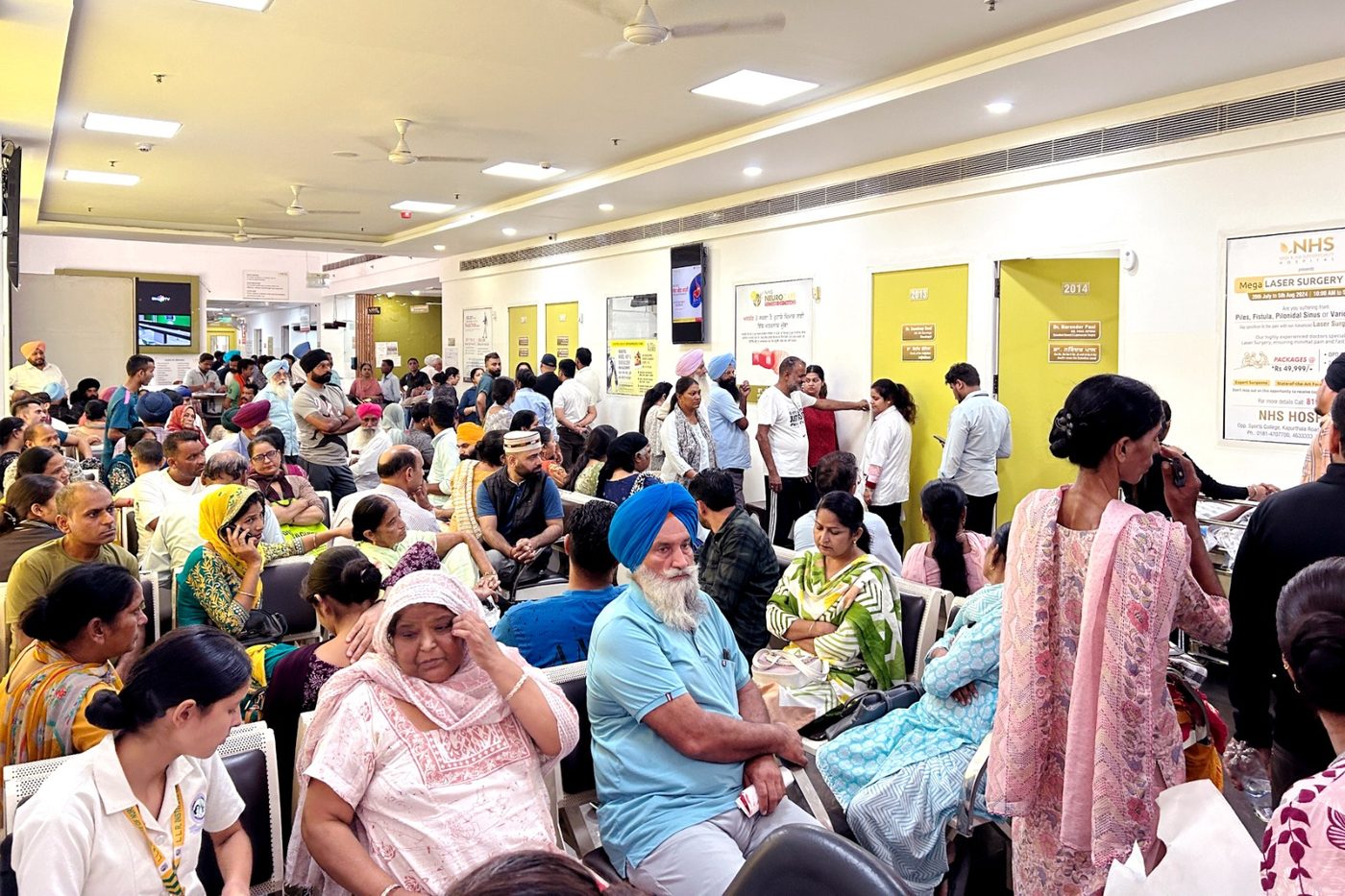
Patients waiting in the outpatient department hall at NHS Hospital on a working morning
The outpatient department on a working morning — nephrology OPD runs Monday to Saturday.
Consultant examining a patient at the bedside during a round at NHS Hospital
A consultant round at the bedside — how inpatient plans get reviewed each day.
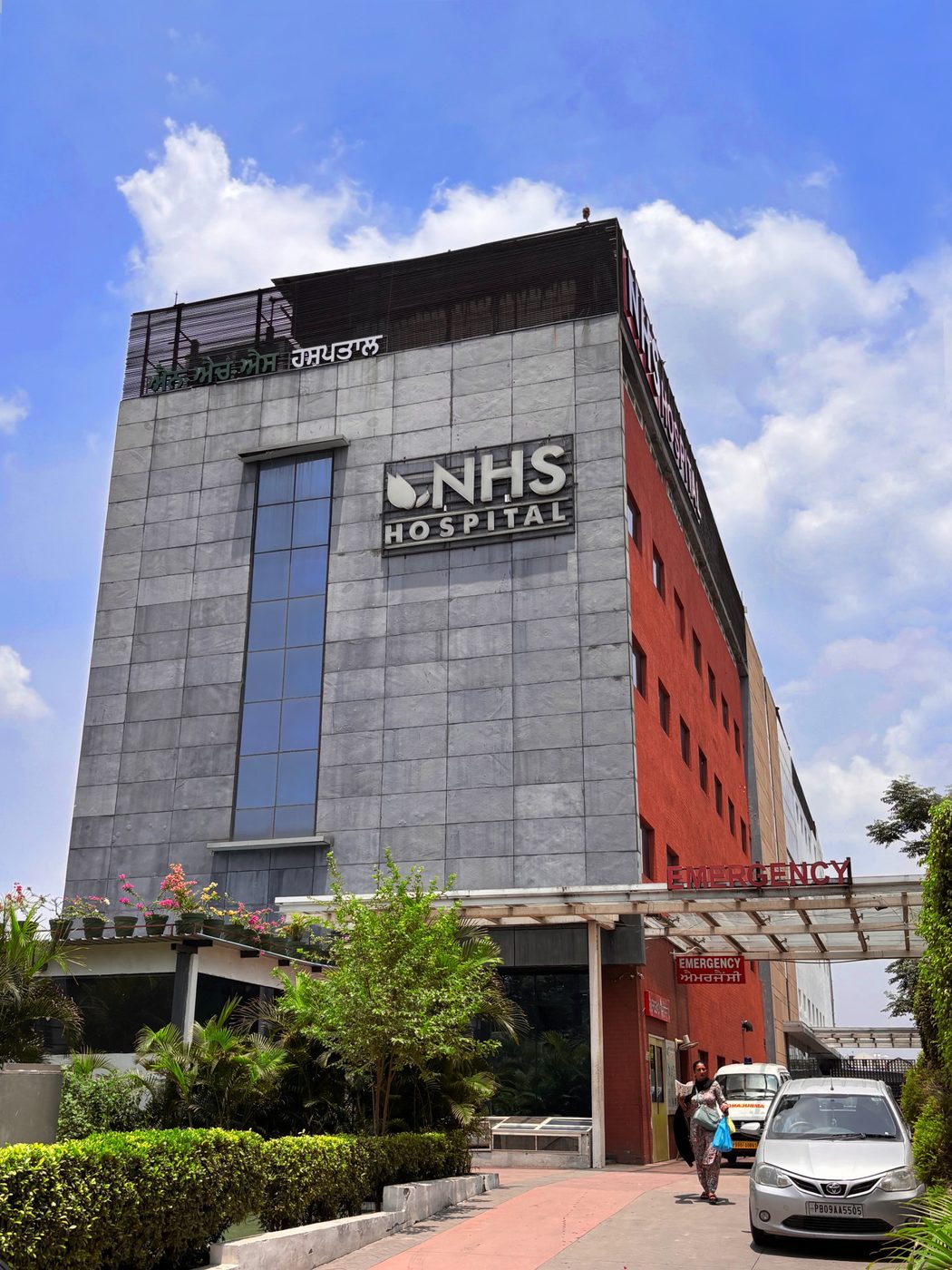
Front elevation of NHS Hospital, Jalandhar, showing the emergency entrance
NHS Hospital, Jalandhar — near Sports College, 300m from Kapurthala Chowk.
What to expect

Five steps, so nothing catches you out

Most of the stress around a hospital visit comes from not knowing what the next hour holds. So here is the sequence in full — the paperwork, the clinical part, and what happens once you are back home. It reads the same whether this is a first nephrology opinion or you are moving an existing dialysis schedule over to us.

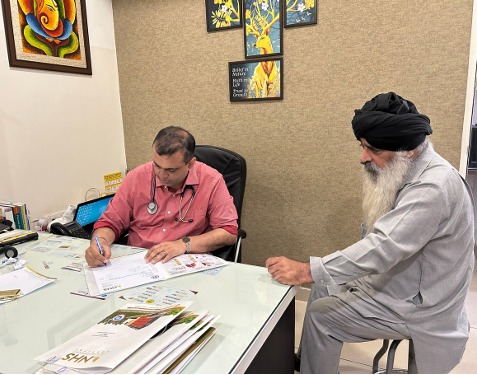
Doctor consulting an elderly patient across a desk

Consultation at NHS Hospital, Jalandhar.

01

Before you arrive

A patient relationship executive rings you first. Dates, what it will cost, where to go on the day — all settled in that call. Any change to your medicines is arranged then, and the insurance approval is chased in advance, so the day itself is not spent waiting at a counter.

02

Tests, then a senior read

Your first stop is radiology or pathology, depending on what is being looked for. Reports land digitally the moment they are ready, and it is a senior consultant who reads them first. If another department needs to weigh in, that is arranged now rather than a week later.

03

If you are admitted

You are allotted a ward bed or a room, whichever category you have chosen. From there the senior consultant owns your case, with intensive care physicians and nursing teams covering the hours in between — including the ones at night.

04

The day you go home

Nobody is discharged with a bag of tablets and no explanation. A complete medical summary is written up, then someone sits with you and goes through each medicine, what to eat, and which number to ring if something changes overnight.

05

The weeks after

The folder you leave with holds your diet sheet and your next appointment dates, already fixed. Our nursing station also calls to check in between visits, so a problem gets picked up on the phone rather than in the emergency room.

Cashless & TPA

Let our desk argue with the insurer

Empanelment is already in place with the major third-party administrators and with insurers on both the public and private side. Dialysis is a long-running claim, so our TPA desk deals with your provider directly — the pre-authorisation, the queries that come back, and the settlement at the end.

  • Cashless approval typically comes back in two to four hours
  • Reimbursement paperwork is put together for you, not handed to you
  • Not sure the policy covers it? Email info@nhshospital.in with your card and the referral, and the desk will check before you travel
Panels we work with
Star Health & Allied Insurance HDFC ERGO General Insurance ICICI Lombard General Insurance Niva Bupa Health Insurance Care Health Insurance Bajaj Allianz General Insurance SBI General Insurance ECHS CGHS MDIndia Healthcare Services TPA Medi Assist TPA Vidal Health TPA Paramount Health Services TPA
Patient education

Watch: kidney care explained

Short videos from our nephrology team on kidney health and prevention, plus a patient's own account of dialysis at NHS.

Fruits Safe for Kidney Patients — Dr. Sanjay Kumar Sharma

Kidney Failure: Rising Cases, Causes & Prevention

Dialysis Journey at NHS Hospital · Patient testimonial, Department of Nephrology

Patient voices

What patients say

★★★★★

"Very good team of doctors in the modern equipped hospital. The hospital is very neat and clean with good infrastructure. The staff is also very polite and empathetic."

— Vikas Kalra · Google review
★★★★★

"Our experience from the reception to the MRI Center and other laboratories was just perfect. The minute we entered I think half the battle was won as the whole hospital gave such confidence and a positive vibe."

— Amit Mayor · Google review
★★★★★

"Patients get reminder messages and a call from reception before time. Hospital staff is very punctual and polite."

— Gurpreet Singh Dhingra · Google review
NHS in the press

What the papers have written about this hospital

Regional and national coverage of the hospital as a whole. Open any clipping to read it at full size.

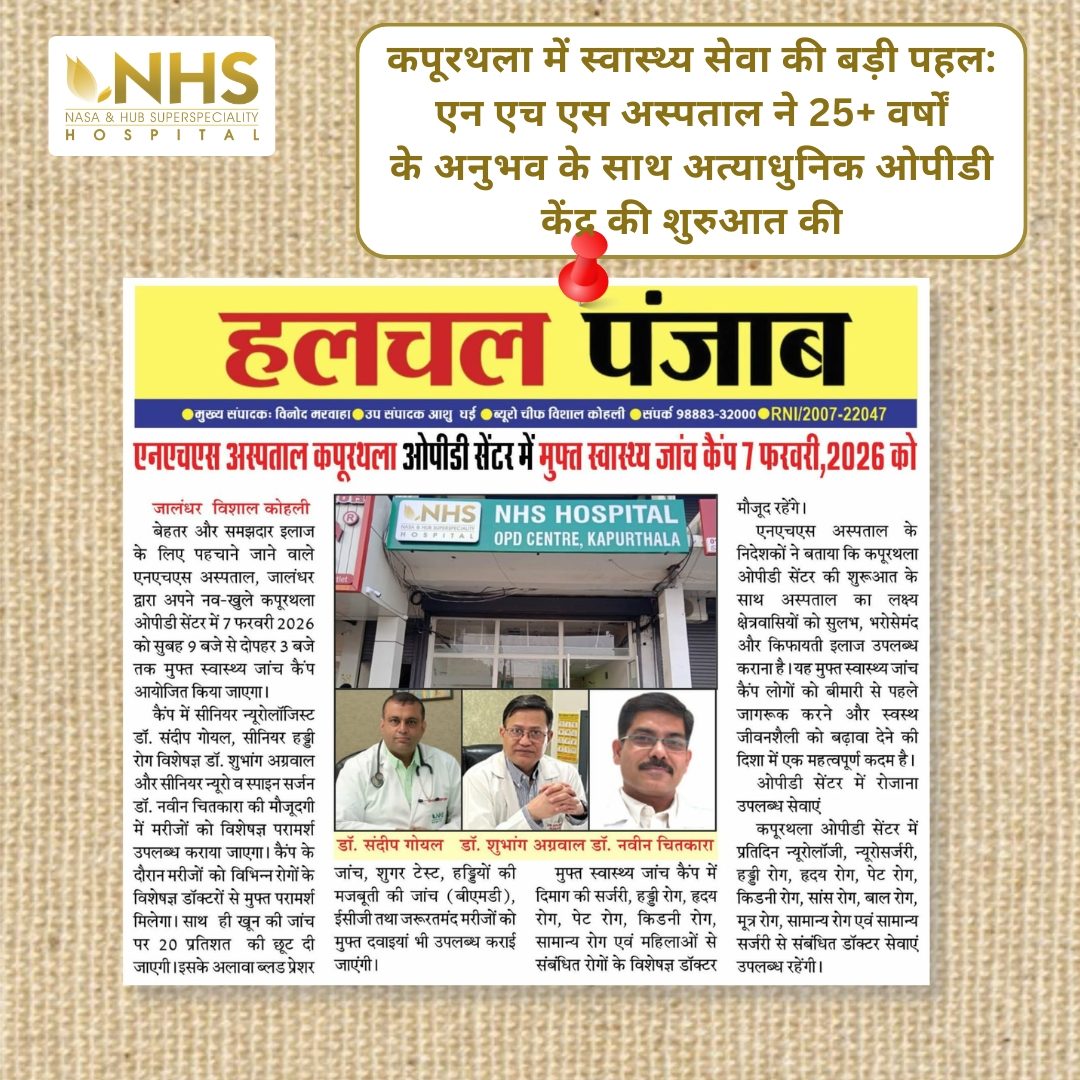
Newspaper clipping reporting the opening of a new NHS outpatient centre at Kapurthala
New NHS outpatient centre opens at Kapurthala
Newspaper feature headlined When Every Second Counts, on stroke care at NHS Hospital
"When every second counts" — World Stroke Day feature on NHS stroke care
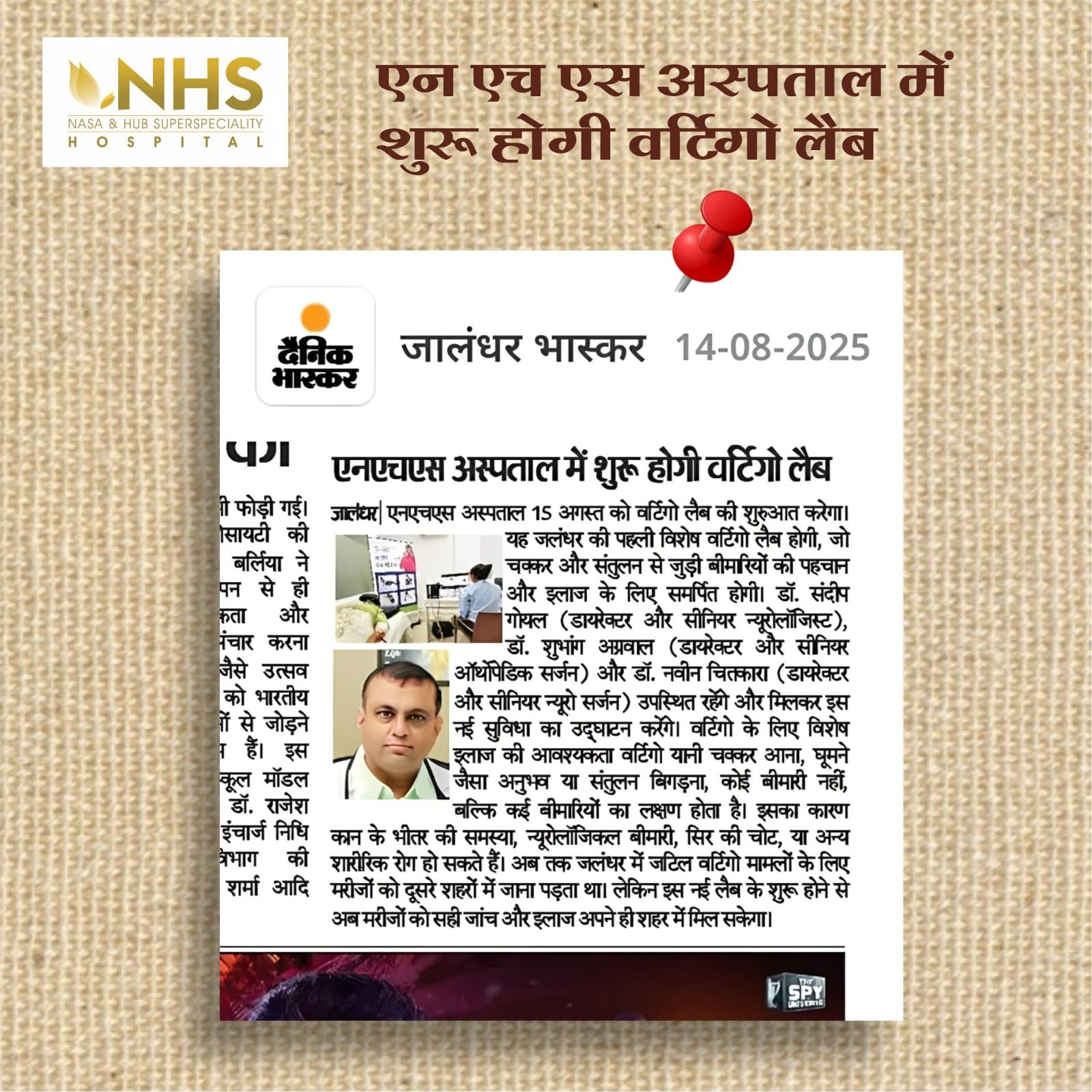
Dainik Bhaskar clipping dated 14 August 2025 on the launch of the vertigo lab at NHS Hospital
Vertigo lab launched at NHS · Dainik Bhaskar, 14-08-2025
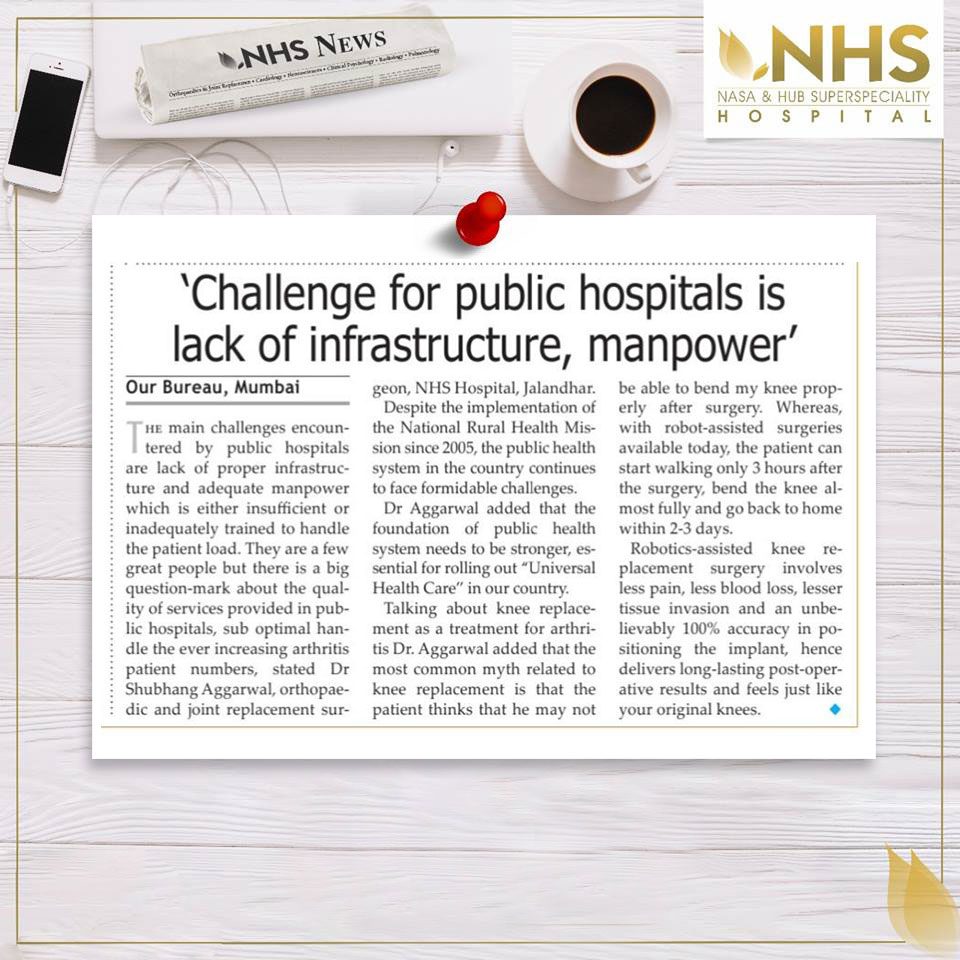
Newspaper article on infrastructure and manpower gaps in public hospitals, quoting Dr. Shubhang Aggarwal
"Challenge for public hospitals is lack of infrastructure, manpower" — quoting Dr. Shubhang Aggarwal
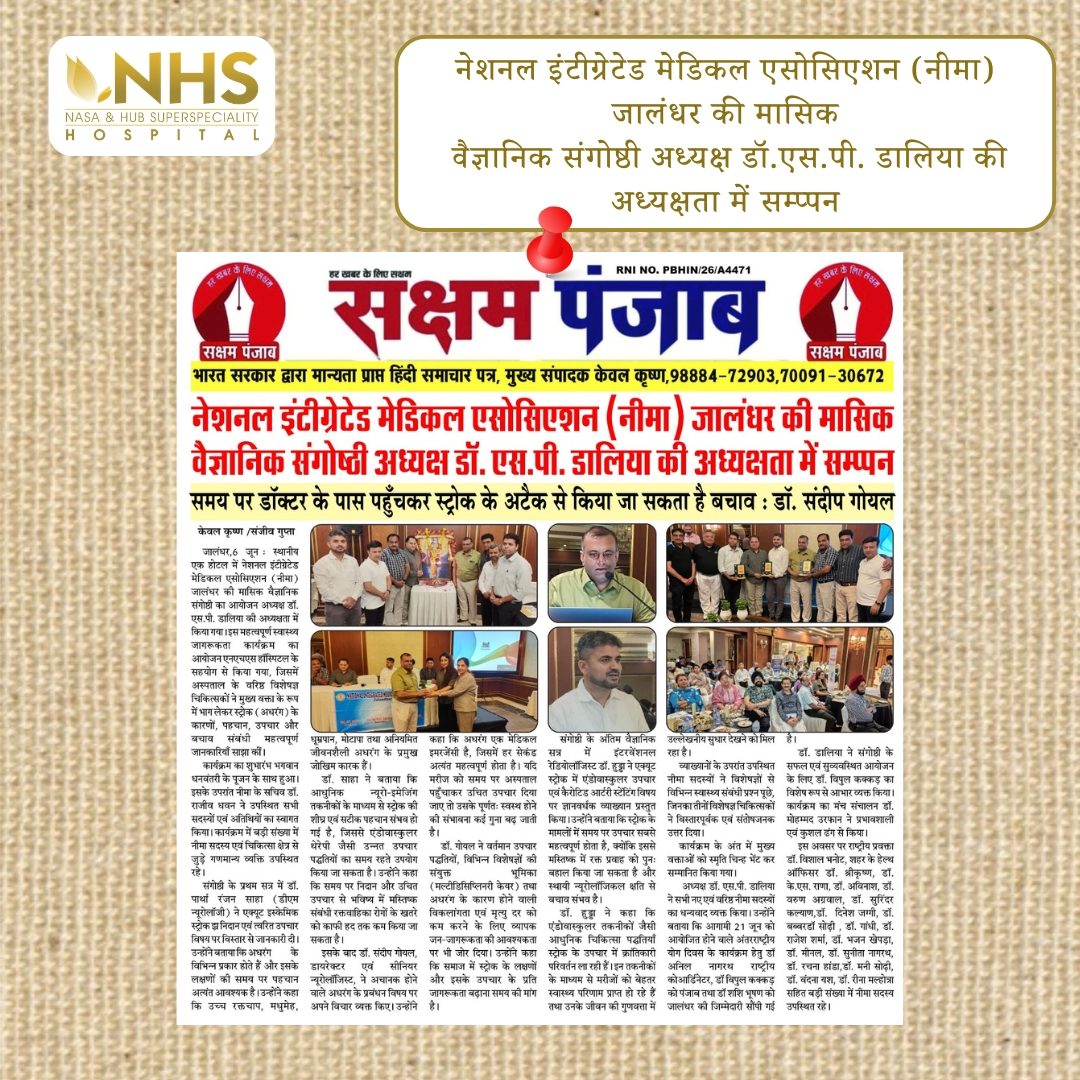
Newspaper clipping on the NIMA Jalandhar scientific symposium hosted at NHS Hospital
NIMA Jalandhar holds its scientific symposium at NHS
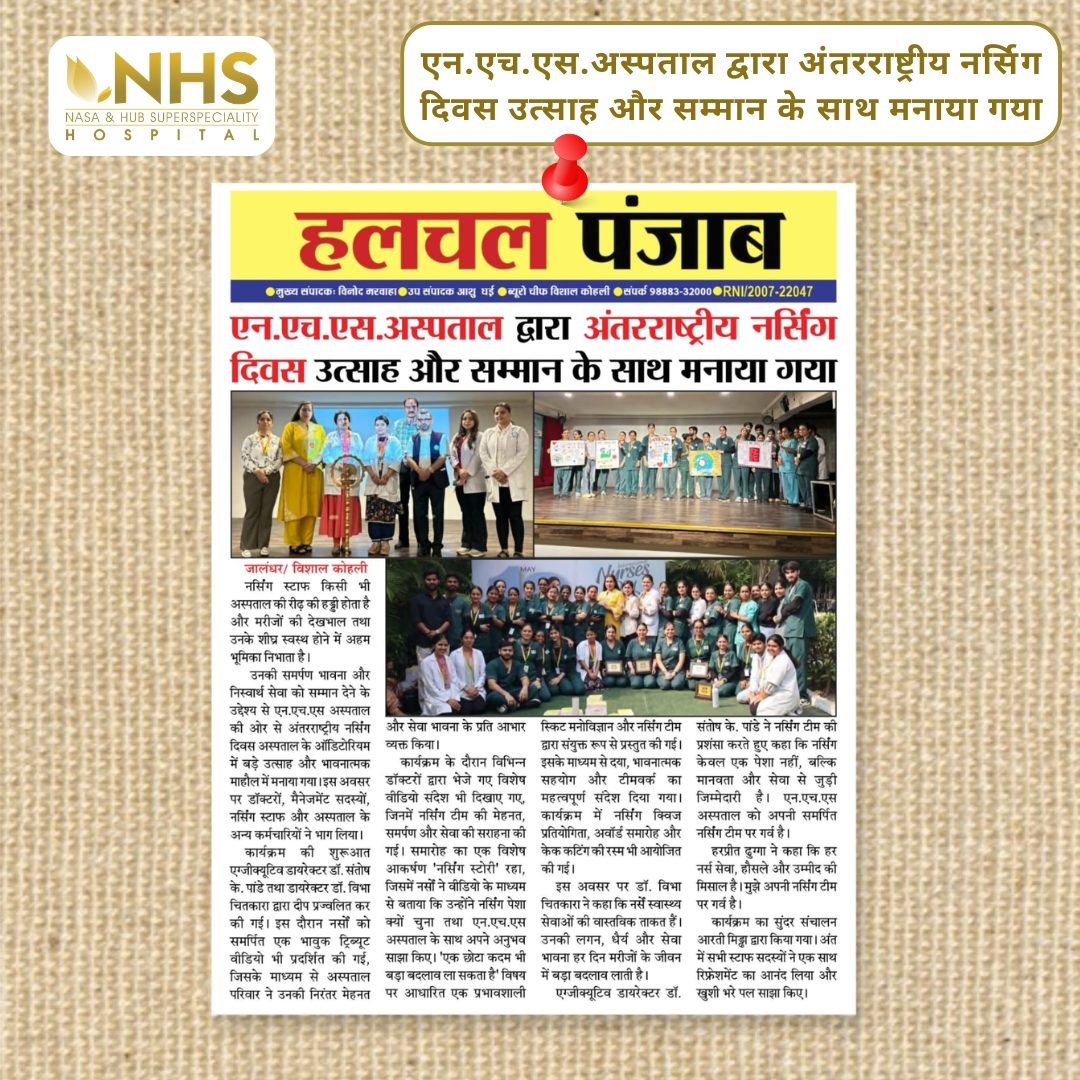
Hulchul Punjab clipping on International Nurses Day being marked at NHS Hospital
International Nurses Day marked at the hospital
FAQ

Kidney care questions

Can I start dialysis here immediately?

Urgent cases are assessed on arrival through emergency. Call ahead so the unit and nephrologist are ready.

Can I transfer my ongoing dialysis to NHS?

Yes. Bring your recent dialysis chart, blood reports and access details, and we allocate a regular weekly slot.

Does every kidney failure patient need dialysis?

No. Many patients with chronic kidney disease are managed medically for years. The decision is based on function, symptoms and blood levels.

Is dialysis covered by insurance?

Our cashless and panel helpdesk works with major TPAs, public insurers and corporate schemes to process dialysis claims. Cashless verification is usually completed within two to four hours of your documents reaching the desk.

Which kinds of dialysis can you actually do here?

Three things, essentially. High-efficiency haemodialysis, available at any hour of the day or night. Dialysis delivered at the ICU bedside for patients who cannot be shifted. And the counselling side — renal transplant discussions, plus the long-term management planning that a kidney patient needs year after year.

I have CKD. How often do I need to be reviewed?

Somewhere between every 3 and every 6 months. Which end of that range you sit at depends on the stage your kidney function has reached — earlier stages stretch further apart, later ones come round faster. Three numbers drive the decision at each visit: blood urea, serum creatinine and eGFR.

I feel fine. Do I still need a kidney test?

If you have no diagnosed conditions, once a year will do. Its real value is the baseline — a single reading tells your doctor little, two readings a year apart tell them a direction. That becomes more worth doing once you pass 40, since kidney function tapers off with age regardless of health. The frequency doubles to every six months for anyone with diabetes, high blood pressure, heart disease, kidney disease in the family, a long history of painkillers, or urinary infections that keep coming back.

Which signs mean I should not wait for my next check-up?

Feet or face starting to puff up. Tiredness you cannot account for. A change in how much or how often you pass urine. Urine that stays foamy in the pan. A blood pressure reading that has crept up. Any one of those is reason enough to get tested now. Since the disease usually gives no warning at all, these few signals are worth taking seriously the first time they appear.

What are SLED and CRRT, and who needs them?

Both are intensive care treatments. Sustained Low-Efficiency Dialysis and Continuous Renal Replacement Therapy are what we reach for when a critically ill patient has acute kidney injury, or when the fluid and electrolyte balance has gone badly wrong. Ordinary dialysis pulls hard and fast; these do the same job slowly, which is the difference between a patient tolerating the session and not. Alongside them the department runs plasmapheresis (PLEX), hemoperfusion and CytoSorb where the case calls for it.

Do you offer peritoneal dialysis as well as haemodialysis?

Yes — peritoneal dialysis is listed among Dr. Sharma's areas of expertise, and CAPD catheterisation is routine work for the team. The same team also creates AVFs and places permcaths where the access needed is for haemodialysis instead.

My doctor has advised a renal biopsy. Why, and what happens?

The procedure itself is short: guided by ultrasound, a thin needle takes a small piece of kidney tissue, which then goes under a microscope. The reason for doing it is that some kidney conditions cannot be told apart any other way. Glomerulonephritis, nephrotic syndrome and a kidney that is failing without an obvious cause all get their precise diagnosis from that tissue — and the diagnosis is what determines which treatment you are put on.

Can I keep working and travelling on dialysis?

Plenty of our patients do all three — hold down a job, go away, keep up with family occasions. It comes down to planning the slots around the commitments you cannot move, which is a conversation to have with the unit rather than something to work out alone. The patients it goes best for are the ones who stick to the kidney-friendly diet, stay as active as their doctor allows, never skip a session, and come to the reviews in between.

Do you treat children with kidney problems?

Yes. The paediatric nephrology service takes patients from infancy through to the late teens. That includes kidneys that did not form normally, nephrotic syndrome, disorders of the urinary tract, and acute kidney injury in a child. Parents are kept inside the discussion throughout rather than briefed at the end of it.

What about a kidney transplant?

Counselling for renal transplant is part of our long-term kidney care. Dr. Sanjay Kumar Sharma's areas of expertise include kidney transplantation, both ABO-compatible and ABO-incompatible. Transplant surgery itself is handled by Dr. Satinder Pal Aggarwal, MS, MCh (Urology), urologist and kidney transplant surgeon at NHS.


Kidney emergency? Call now — we answer 24/7.

Talk to our coordinator today. Near Sports College, 300m from Kapurthala Chowk, Jalandhar — 144001.

NHS Hospital

Near Sports College, 300m from Kapurthala Chowk, Jalandhar — 144001

0181-4707700 / 4633333

info@nhshospital.in

For patients

Appointments Second Opinion Health Check

About NHS

About Hospital Academic Programs Careers
© NHS Hospital, Jalandhar Multi-specialty tertiary care · 24/7 Emergency