Near Sports College, Jalandhar · 200-bed tertiary care 24/7 Emergency 0181-4707700
Endoscopy · FibroScan · Gastric Balloon · Punjab

Gastroenterology in Jalandhar: endoscopy, liver scans and weight-loss balloon.

Same-day diagnostic endoscopy, painless FibroScan for fatty liver and NASH, and non-surgical gastric balloon — under senior consultant care at a 200-bed tertiary hospital.

Day-care procedures
FibroScan, no needle
Cashless TPA

Book a gastro consultation

Tell us your concern — we schedule the right test first.

Request received. Our coordinator will call you shortly.
0
1,100+ Google reviews
0+ yrs
Consultant experience
0
Bed tertiary hospital
0/7
GI bleed emergency
Conditions

What the Digestive Sciences team treats

Our Centre of Excellence in Gastroenterology & Hepatology picks a patient up at the first symptom and stays with them through to advanced treatment. Specialist consultants sit alongside the equipment they need — advanced endoscopy, Endoscopic Ultrasound (EUS), ERCP, and FibroScan for reading the liver without a biopsy needle — so the test, the result and the plan all happen under one roof.

Jaundice

Bilirubin collects in the blood and turns the skin, the whites of the eyes and the mucous membranes yellow. Read it as a signal rather than a diagnosis: the fault usually lies in the liver, the gallbladder or the pancreas. Hepatitis, gallstones, cirrhosis, infections and certain drugs are the usual culprits. It rarely arrives alone — urine that has gone dark, stools that have gone pale, tiredness, and discomfort across the abdomen.

Fatty liver

Fat accumulates inside the liver cells themselves. Obesity, diabetes, high cholesterol, alcohol and a desk-bound routine are the usual drivers. Early on it announces nothing; left alone it travels through inflammation and scarring into serious liver disease. A FibroScan is how we find out which stage you are actually at.

Hepatitis

The liver becomes inflamed. Viral infection is the commonest reason — Hepatitis A, B, C and E — though heavy alcohol use, toxins and autoimmune disease all do it too. Tiredness, yellowing, pain in the abdomen and nausea are typical, and at the severe end the liver can fail. Since the cause dictates the treatment, pinning down the cause comes first.

Liver cirrhosis

Year by year, working liver tissue is replaced by scar, and the organ stops doing its job properly. Chronic hepatitis, years of heavy drinking or untreated fatty liver disease are what get it there. The early stretch can pass without a sign; what shows up later is tiredness, yellowing, fluid that will not clear and bruising from knocks that should not bruise. The complications we keep an eye out for are portal hypertension, bleeding from varices, and cancer.

Pancreatitis

The pancreas becomes inflamed, either suddenly (acute) or over years (chronic). Gallstones and alcohol head the list of causes, with certain medicines and high triglycerides behind them. Patients describe fierce pain in the abdomen, and fever, nausea and vomiting usually sit alongside it. Once it turns chronic, digestion suffers and diabetes can follow.

Liver cancer

Cancer rarely starts in a healthy liver. It tends to follow years of chronic liver damage — cirrhosis, or hepatitis carried for a long time. A tumour that begins in the liver itself is a primary cancer, hepatocellular carcinoma being the usual form; one that has travelled in from elsewhere in the body is secondary. What should bring you in: weight falling with no explanation, appetite gone, yellowing, an abdomen that has swollen, tiredness that will not lift. Which treatment fits — medical (immunotherapy), surgical or minimally invasive — is decided case by case, and picking it up early is what widens the options.

Also seen in this clinic
Irritable Bowel Syndrome (IBS) Inflammatory Bowel Disease (IBD) Gastritis & peptic ulcers Acid reflux Coeliac disease Small Intestinal Bacterial Overgrowth (SIBO) Lactose, gluten & fructose intolerance Gallstones & gallbladder disease Gastrointestinal bleeding Portal hypertension Chronic constipation Persistent bloating
Procedures

Four procedures, explained plainly

Diagnostic

Endoscopy & Colonoscopy

For acidity that won't settle, difficulty swallowing, unexplained weight loss, bleeding or chronic bowel change.

Day-care · Sedation · Same day
Liver

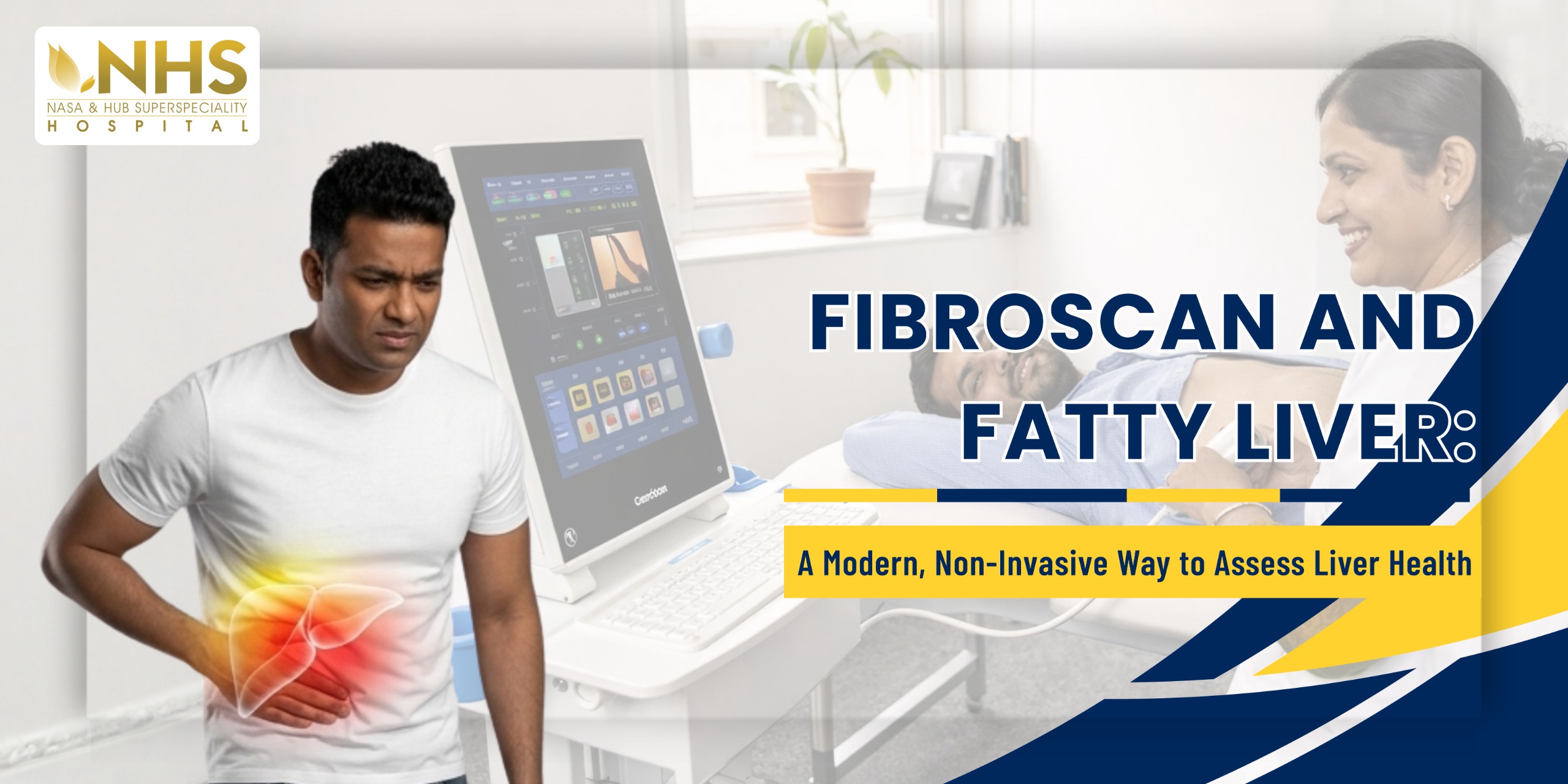
FibroScan

A painless scan that measures liver fat and stiffness — the test that tells you whether fatty liver has progressed.

No needle · 15 mins · Fast score
Weight

Gastric Balloon

A non-surgical, reversible option for weight loss placed endoscopically, with a dietitian-led programme alongside.

No incision · Reversible
Special programme

NASH & Fatty Liver

Structured assessment and reversal plan for non-alcoholic steatohepatitis: staging, metabolic workup and follow-up.

Diet & metabolic plan
Advanced endoscopy

Treatment through the scope, not through an incision

A great deal of what once meant an operation is now done from inside the gut. The scopes are high-definition and the instruments passed down them are fine enough to treat as well as to look, so a bleeding vessel, a narrowed segment, a stone stuck in the bile duct or, in selected cases, a tumour can be dealt with in the same sitting — no abdominal incision anywhere in it. Patients are usually back on their feet sooner as a result.

Diagnostic

Upper GI endoscopy (EGD)

A scope passes down to look straight at the oesophagus, the stomach and the duodenum. This is the test that settles the argument when an ulcer, gastritis, reflux disease, a polyp or an early cancer of the gut is on the list.

Diagnostic

Colonoscopy

A look at the lining of the large intestine and the rectum. We advise it when bloating turns up together with a change in bowel habit — it is what rules colorectal cancer, inflammatory bowel disease, colitis and polyps in or out.

Imaging

Endoscopic Ultrasound (EUS)

Ultrasound from inside the gut for precise imaging of the pancreas, bile ducts and the wall of the digestive tract, where an ordinary scan cannot see clearly enough.

Therapeutic

ERCP & bile duct work

Endoscopic Retrograde Cholangiopancreatography for biliary and pancreatic disorders, including bile duct stones, obstructions, stenting and stone therapy.

Emergency

GI bleeding & strictures

Endoscopic haemostasis to stop gastrointestinal bleeding, and endoscopic management of strictures — with an emergency desk that never shuts, a lab staffed at every hour and ICU beds behind it.

Oncology

Tumours of the digestive tract

Endoscopic diagnosis of tumours and cancers of the digestive tract, with surgical treatment available in the same hospital when that is the right route.

NHS Hospital patient-education poster explaining how FibroScan checks liver health without a biopsy
Liver assessment

FibroScan: measuring liver damage without a needle

Fatty liver has a reputation for staying quiet. It can sit there without producing a single symptom while it works its way towards fibrosis, cirrhosis and — if nobody ever looks — liver failure. FibroScan reads two things at once using ultrasound: how stiff the liver has become and how much fat it is carrying. Painless vibrations are passed through the organ and the scan times how quickly they travel. That speed is what lets us put a number on scarring (fibrosis) and on fat accumulation (steatosis).

Non-invasive and painless
No needle into the liver, unlike a traditional biopsy.
Quick results, no hospital stay
A few minutes on the couch and it is over.
Accurate stiffness and fat levels
Real-time readings that stage the disease rather than guess at it.
Safe to repeat
Useful for regular follow-up without the risk of repeated biopsies.

Who should consider a FibroScan

  • You have been told you have fatty liver on an ultrasound.
  • You are overweight or obese.
  • You have diabetes or high cholesterol.
  • You consume alcohol regularly.
  • Your liver function tests have come back abnormal.
  • You have known liver disease and need fibrosis monitored, or treatment response checked.

For certain liver conditions a biopsy is still the definitive test — but it is invasive, and bleeding and infection are real risks. Where the job is routine assessment or repeated monitoring, FibroScan is the safer and far more comfortable choice for most patients. And the earlier fatty liver is caught, the better the odds: diet, activity, weight and blood sugar control can often turn it back.

Symptoms

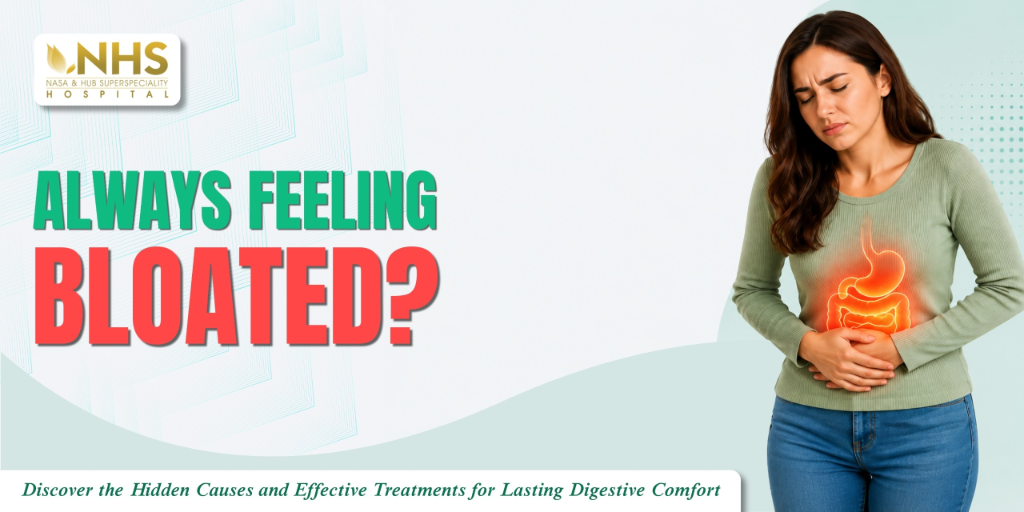
Always feeling bloated? It is a symptom, not a diagnosis.

A heavy meal leaves almost anyone feeling swollen. What matters is how often it happens. Once the feeling keeps returning, or simply refuses to leave, it can be pointing at the stomach, the intestines, the liver, the pancreas or the gallbladder — and it deserves more than the shrug most people give it, blaming their age or their diet. Our working rule: now and again is nothing; several episodes in a week, or a spell that runs on for weeks, needs a gastroenterologist to look at it.

Patients describe it as fullness, tightness, or the abdomen visibly swelling. Around it sit the other complaints — wind, burping, flatulence, a rumbling gut, mild cramping, general discomfort, and being unable to finish even a small plate.

NHS Hospital patient-education poster on what lies behind constant bloating and how it is treated

Ten reasons people stay bloated

1 · Swallowing excess air

Air gets swallowed and has to go somewhere. Rushing a meal does it; so does chewing gum, so does smoking, so do fizzy drinks. The abdomen distends and feels tight.

2 · Constipation

Stool sitting in the large intestine traps gas behind it. Usually linked to low fibre, too little water, a sedentary routine or certain medicines.

3 · Irritable Bowel Syndrome (IBS)

One of the commonest causes of chronic bloating, often with abdominal pain, constipation, diarrhoea or alternating habits. Symptoms usually worsen with stress.

4 · Food intolerances

Some people cannot break down a particular sugar or protein — lactose, fructose and gluten are the three we meet most often. Whatever is not digested ferments further down the intestine, and that fermentation is the gas.

5 · Dietary habits

Fizzy drinks, fried and heavily processed food, artificial sweeteners, and the gas-forming vegetables and pulses — cabbage, broccoli, onions, beans, lentils. A large meal eaten late at night compounds all of it.

6 · SIBO

Small Intestinal Bacterial Overgrowth keeps you bloated and gassy, and brings diarrhoea, tiredness and nutritional shortfalls along with it. Confirming it takes a specialist assessment.

7 · Coeliac disease

Gluten sets off an autoimmune reaction. The bloating is chronic, and it comes with diarrhoea, anaemia, falling weight and vitamins running low. Picking it up early is what prevents the long-term damage.

8 · Liver disease

Once fatty liver or cirrhosis is far enough along, fluid starts collecting inside the abdomen — that is what the swelling and the bloating that never lets up actually are. At that stage the liver needs assessing without delay.

9 · Gallbladder disorders

Gallstones and an inflamed gallbladder tend to bloat you after a fatty meal, together with nausea, indigestion, vomiting and pain high on the right side.

10 · Gastritis and peptic ulcers

An inflamed stomach lining, or an ulcer in it, gives discomfort high in the abdomen with a burning edge to it, nausea, and the sense of being full after barely eating. Endoscopy is normally what settles the question.

Bloating alongside any of these: come in now, not next week

Severe abdominal pain
Blood in stools
Persistent vomiting
Difficulty swallowing
Unexplained weight loss
Fever
Persistent constipation
Continuous diarrhoea
Black stools
Jaundice

These can indicate serious gastrointestinal disease that needs urgent investigation.

How persistent bloating is worked up

  • Medical history. How and what you eat, what your bowels have been doing, any shift in weight, what you have been treated for before, everything you are taking now, and what runs in the family.
  • Physical examination. A thorough abdominal examination for tenderness, swelling or enlarged organs.
  • Blood tests. Screening for anaemia, infection, coeliac disease, trouble in the liver and gaps in nutrition.
  • Ultrasound. A first look at four organs at once — the liver, the gallbladder, the pancreas, the kidneys.
  • Endoscopy. Direct look at the oesophagus, stomach and duodenum for gastritis, ulcers, reflux, polyps and early cancers.
  • Colonoscopy. When bowel habits have changed as well, to check the large intestine.
  • FibroScan. When liver disease is suspected, without a surgical biopsy.

From there the cause dictates the treatment. Diet is adjusted, fibre is raised slowly rather than all at once, fluids go up and 30 minutes of daily movement goes in. Medicines are added only where they earn their place — antacids or acid-suppressing medicines, probiotics, laxatives, enzyme supplements, IBS medicines, antibiotics once bacteria have overgrown, or specific treatment for the liver and gallbladder.

Laser proctology

Laser treatment for piles, fistula and pilonidal sinus

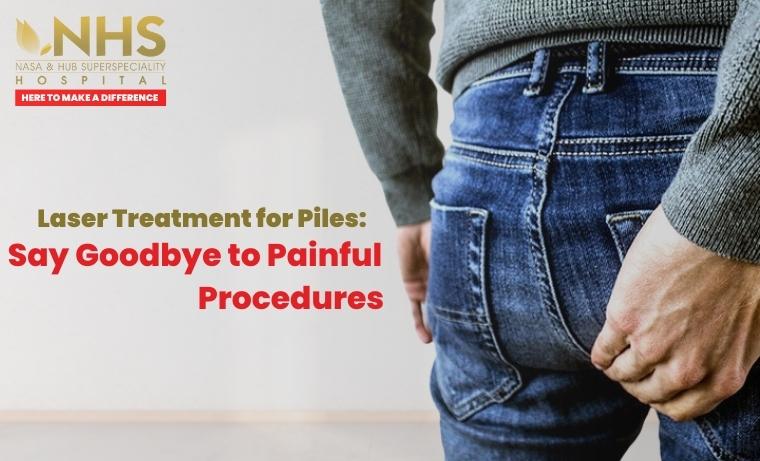
Haemorrhoids — piles — are blood vessels inside the anal canal that have swollen and become inflamed, which is why they hurt, feel uncomfortable and sometimes bleed. Straining on the toilet, pregnancy, carrying extra weight and sitting for most of the day all push things that way. A laser deals with them without cutting: a focused beam closes off the blood feeding the haemorrhoid, and it shrinks.

Our laparoscopic and general surgery team has been working with laser techniques for over 15 years, and uses them for haemorrhoids, fistula, pilonidal sinus and varicose veins. Not every case suits the laser — advanced disease sometimes calls for a different operation — so that call is made in consultation, not in advance.

Minimal pain and discomfort

Precision limits damage to surrounding tissue, so healing is quicker and post-operative discomfort is lower than with conventional methods.

Quick recovery

Most people are back to their normal routine a few days afterwards.

Fewer complications

Lower risk of infection and scarring, and it avoids injury to the sphincter muscle around the anal opening — the cause of long-term incontinence after open surgery.

Day-care procedure

Usually performed on an outpatient basis, so you go home the same day rather than staying in hospital.

The four stages of piles

  • First degree. Symptoms stay mild — some itching, occasional discomfort, a little bleeding when you open your bowels.
  • Second degree. They grow, and can slip out while you are opening your bowels, but they go back by themselves.
  • Third degree. The prolapse becomes routine, and you have to push them back yourself.
  • Fourth degree. They stay outside and will not go back. Pain, bleeding and complications are the norm at this point.

The stage is what determines which treatment is right.

NHS Hospital patient-education poster on treating piles with a laser rather than conventional surgery
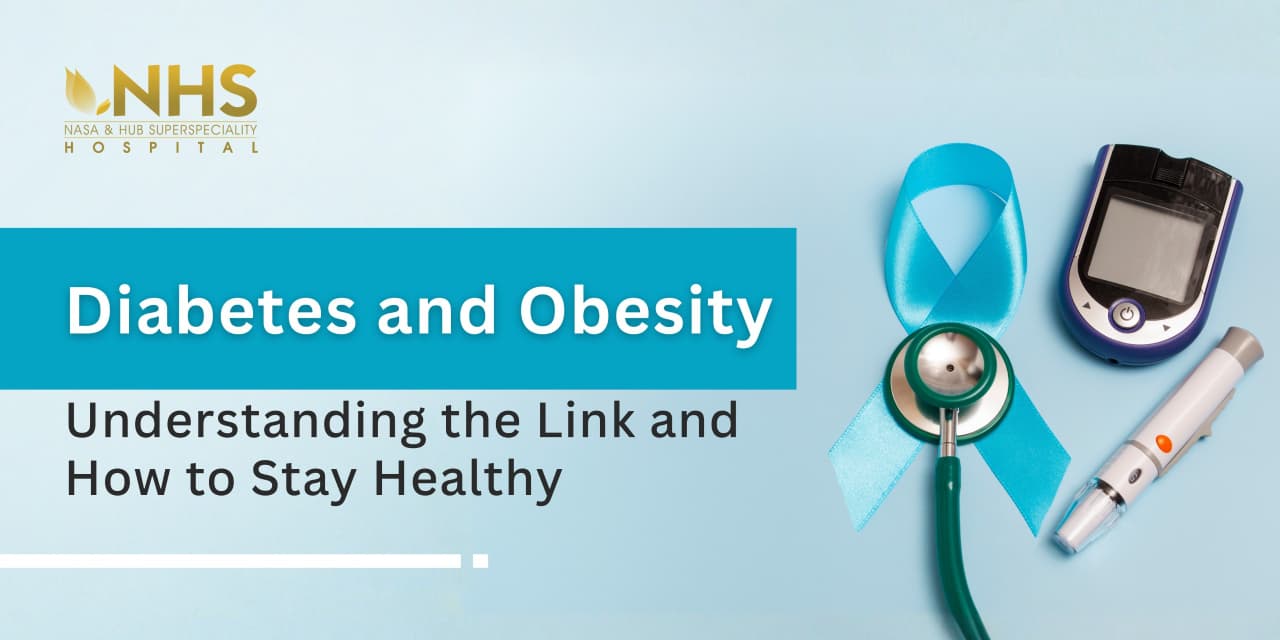
NHS Hospital patient-education poster showing a glucometer, on how obesity and diabetes are connected
Weight, digestion & nutrition

Why your weight and your gut are the same conversation

Weight at either end of the scale tells on the gut. Carry too much and fatty liver, acid reflux and gallstones all become likelier; carry too little and digestion falters, which brings discomfort, nutrients that never get absorbed, and trouble that compounds over years. Fat sitting around the abdomen is the part that gets in the way of insulin, keeps a low-grade inflammation running and shifts the hormones that govern appetite and fat storage. That is how obesity and type 2 diabetes feed each other.

Balanced, targeted diet
Build the plate from whole grains, vegetables, fruit, lean protein and healthy fats; keep refined carbohydrate, sugar and processed food to the edges.
Activity that changes numbers
Thirty minutes on most days — walk, swim, cycle or do yoga — brings blood glucose down and sharpens insulin sensitivity.
Even 5 to 10% counts
Shedding 5–10% of body weight is enough to shift insulin sensitivity meaningfully — which is where a structured programme aims first.
Dietician support on site
Therapeutic diets during admission, OPD diet counselling, and a diet chart handed to you at discharge.

Bloating, indigestion, intolerances and the foods that set them off are dealt with by the gastroenterology team directly, with 24/7 laboratory support for the blood work that monitoring needs.

Technology & infrastructure

The equipment behind the diagnosis

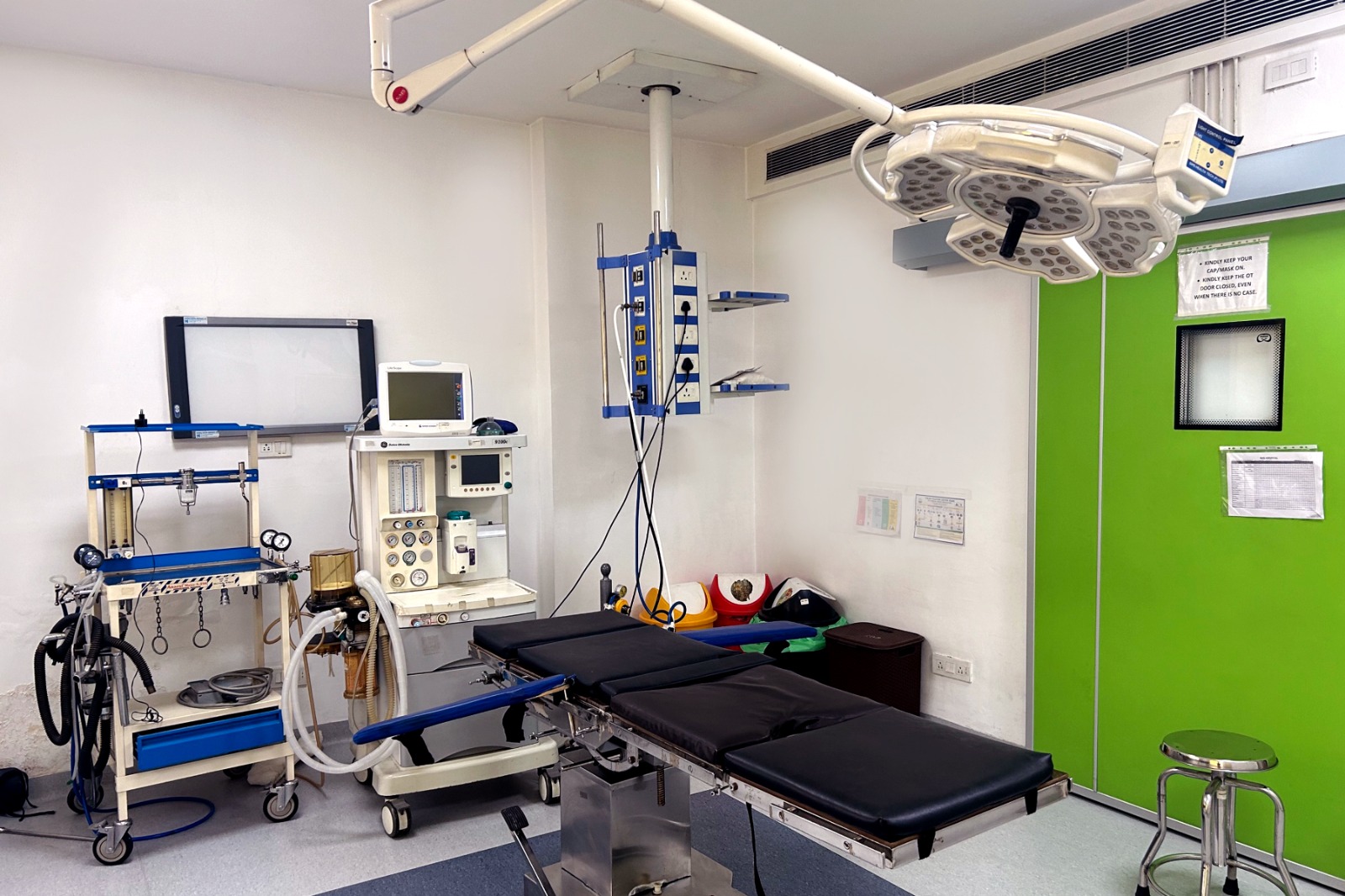
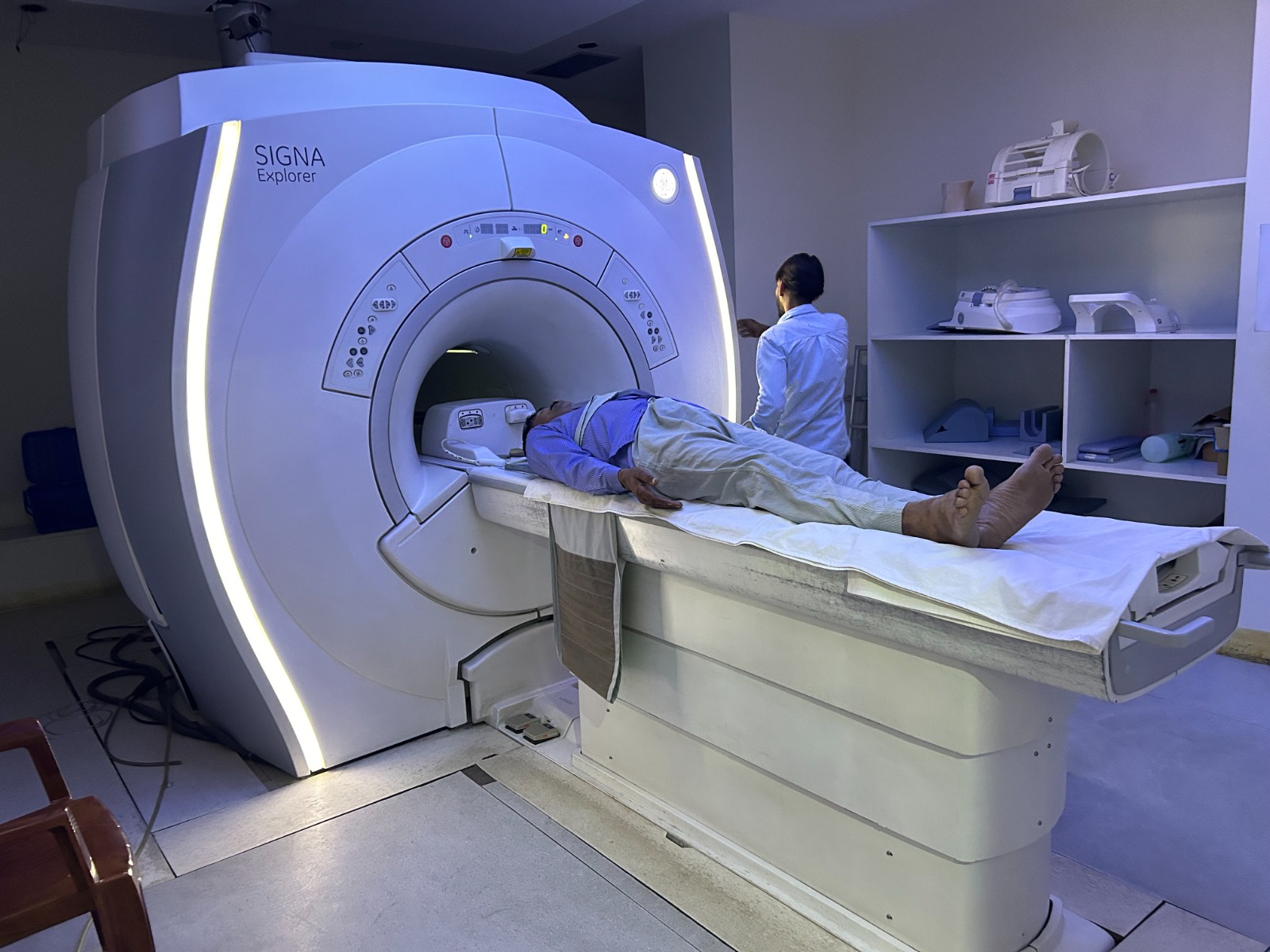
NHS Hospital is a 200+ bed super-speciality institution with 45 critical care beds. Gastroenterology works out of an endoscopy suite kitted out so the pictures are reliable and the patient is comfortable while they are taken, with a radiology department in the same building running FibroScan, low-radiation CT and silent MRI — which is what makes diagnosis on a single visit possible.

Modular operation theatre at NHS Hospital with OT table, anaesthesia workstation and surgical light
Modular operation theatre — the hospital's digital theatres take everything from keyhole work to the long, complicated cases.
GE SIGNA silent MRI scanner at NHS Hospital with a patient on the table
The MRI suite — part of the radiology department that also runs silent MRI, low-radiation CT and FibroScan.
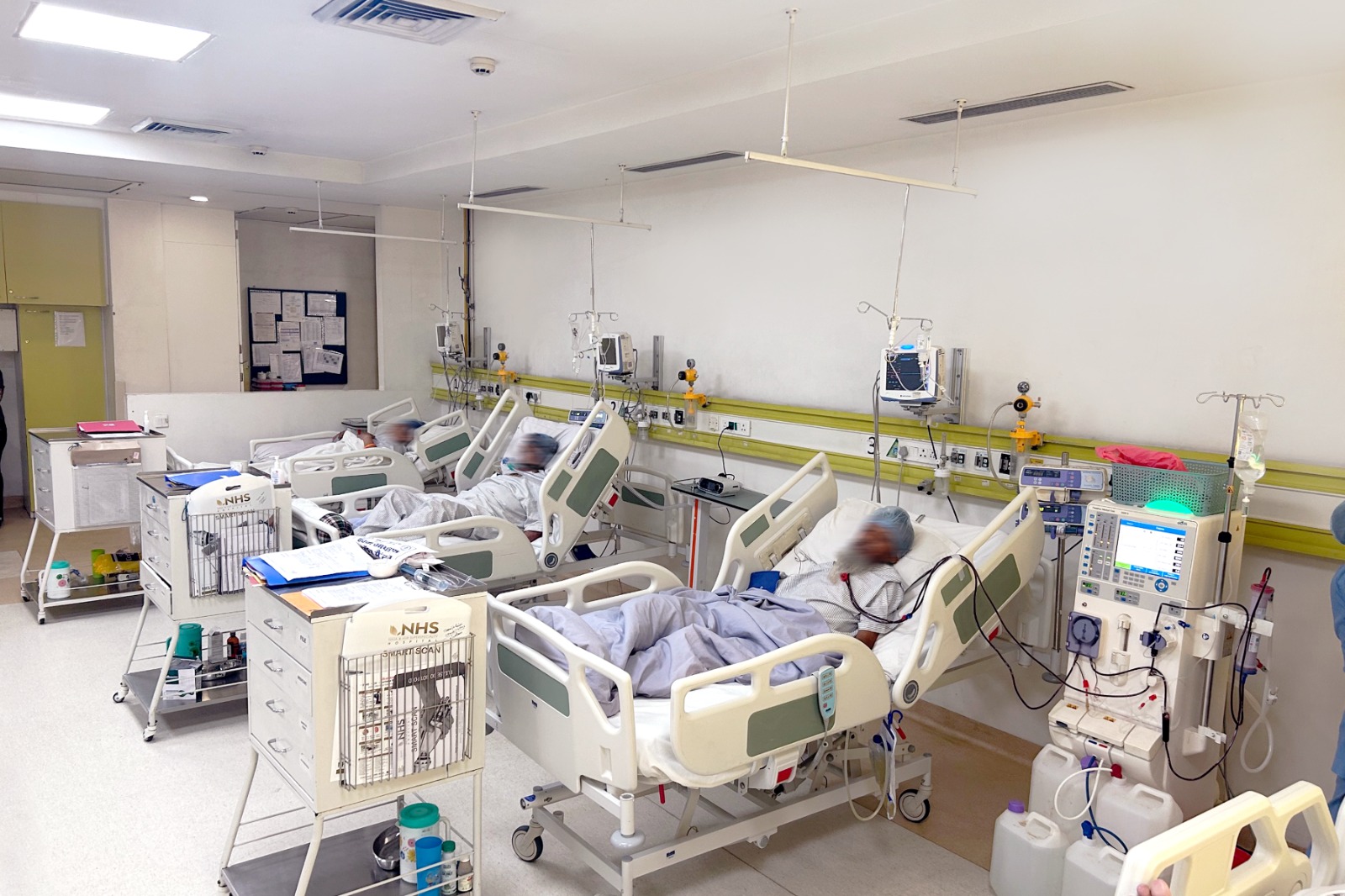
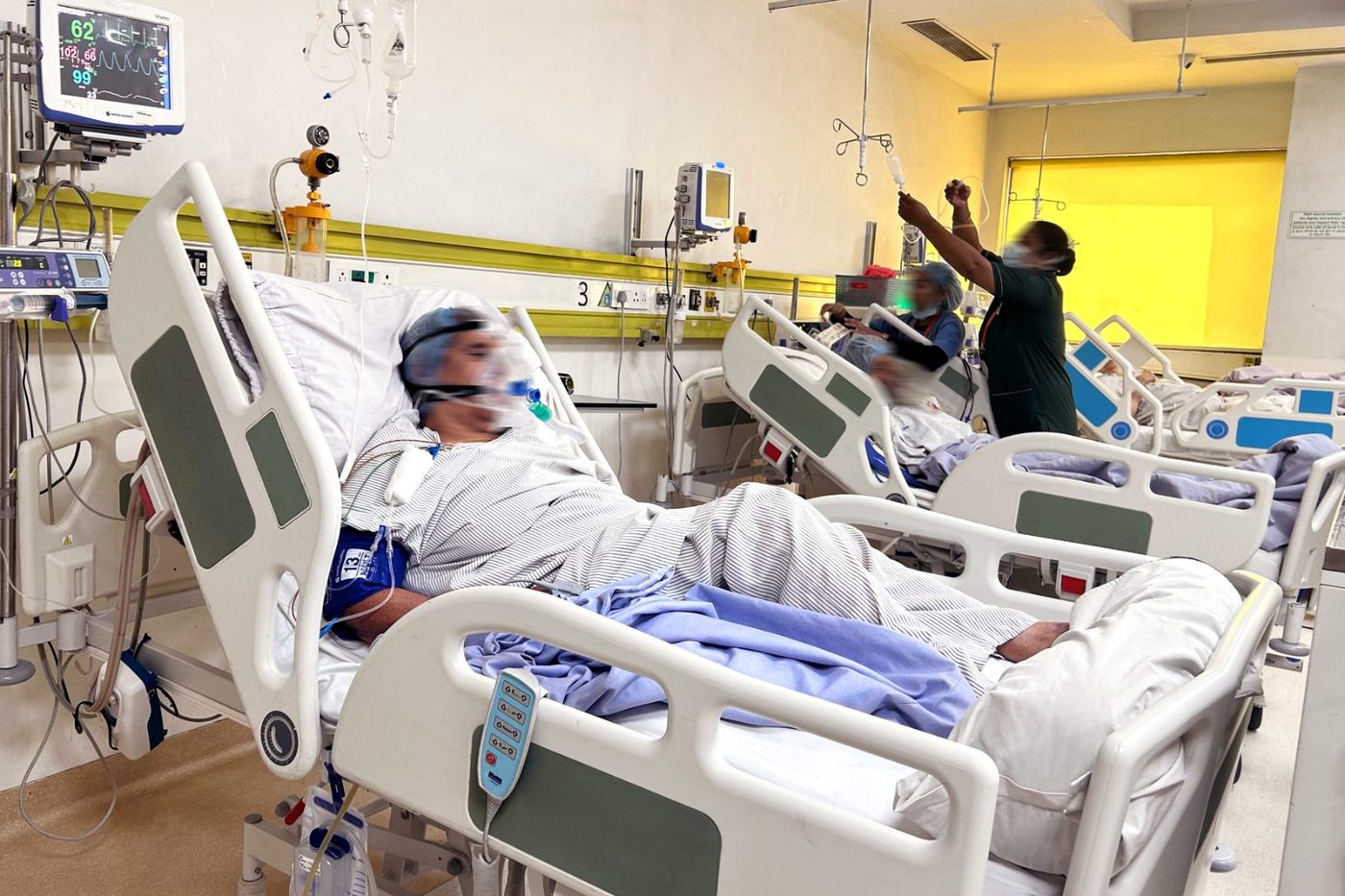
Intensive care bay at NHS Hospital with beds, ventilators and monitors
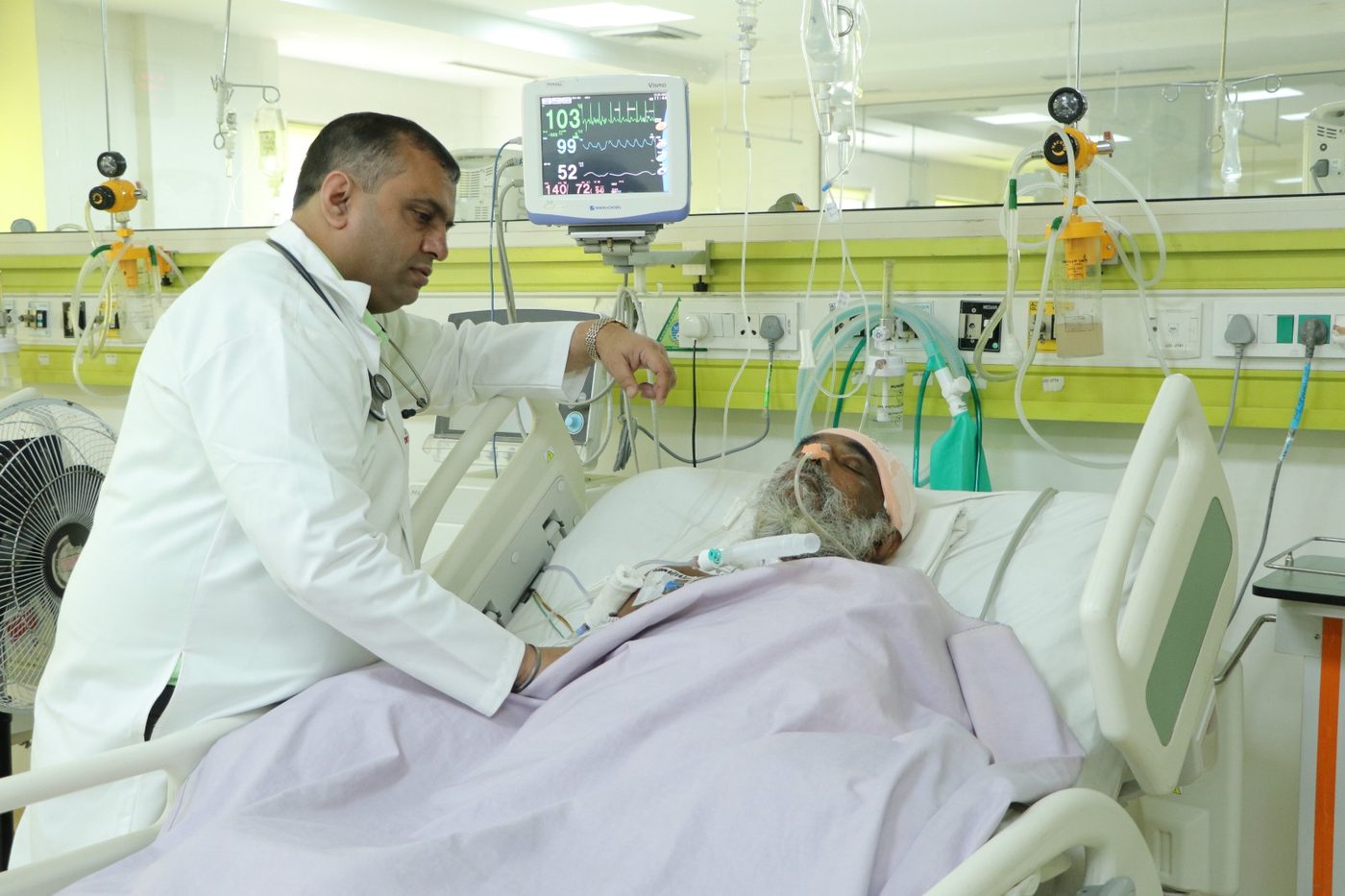
Critical care — 45 intensive care beds supporting GI bleeding, pancreatitis and liver failure admissions.

Endoscopy suite

Modern equipment for diagnostic and therapeutic endoscopy, colonoscopy, EUS and ERCP.

FibroScan

Transient elastography for liver stiffness and fat, listed in the hospital's radiology department.

Low-radiation CT

Revolution ACTs ES CT scanner, with CT and MRI available 24 hours for emergencies.

Round-the-clock lab

24/7 laboratory diagnostics and ultrasound, including portable ultrasound for patients in ICU.

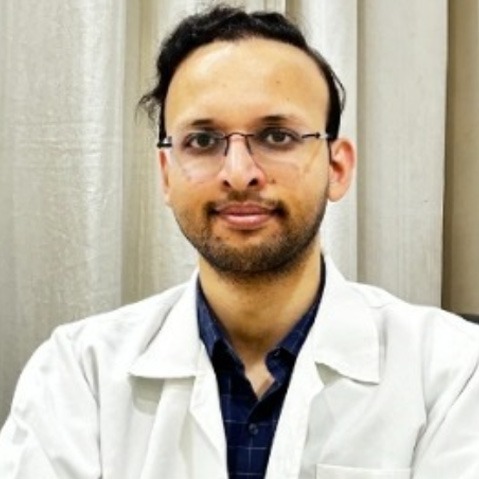
Dr. Anuj Arora, Consultant Gastroenterologist
Who you will see

Dr. Anuj Arora — Consultant Gastroenterologist

Digestive Sciences Institute, NHS Hospital Jalandhar. Diagnostic and therapeutic endoscopy, hepatobiliary and liver disease, gastrointestinal bleeding and metabolic liver disorders.

MD (Internal Medicine) DM (Gastroenterology) Fellowship in Advanced Endoscopy
Consultant Gastroenterologist
Super-specialty qualified in gastroenterology and hepatology
OPD Monday to Saturday
By appointment — call 0181-4707700 to confirm your slot
Surgical & critical care backup
GI surgery, 45 critical care beds and 24/7 emergency in the same hospital

Areas of expertise

Diagnostic & therapeutic upper GI endoscopy
Colonoscopy
Pancreaticobiliary interventions including stenting and stone therapy
ERCP for biliary and pancreatic disorders
Management of acute & chronic pancreatitis
GI bleeding management and endoscopic haemostasis
Inflammatory Bowel Disease (IBD) management
Chronic liver disease and portal hypertension care
Inside the hospital

See the place before you arrive

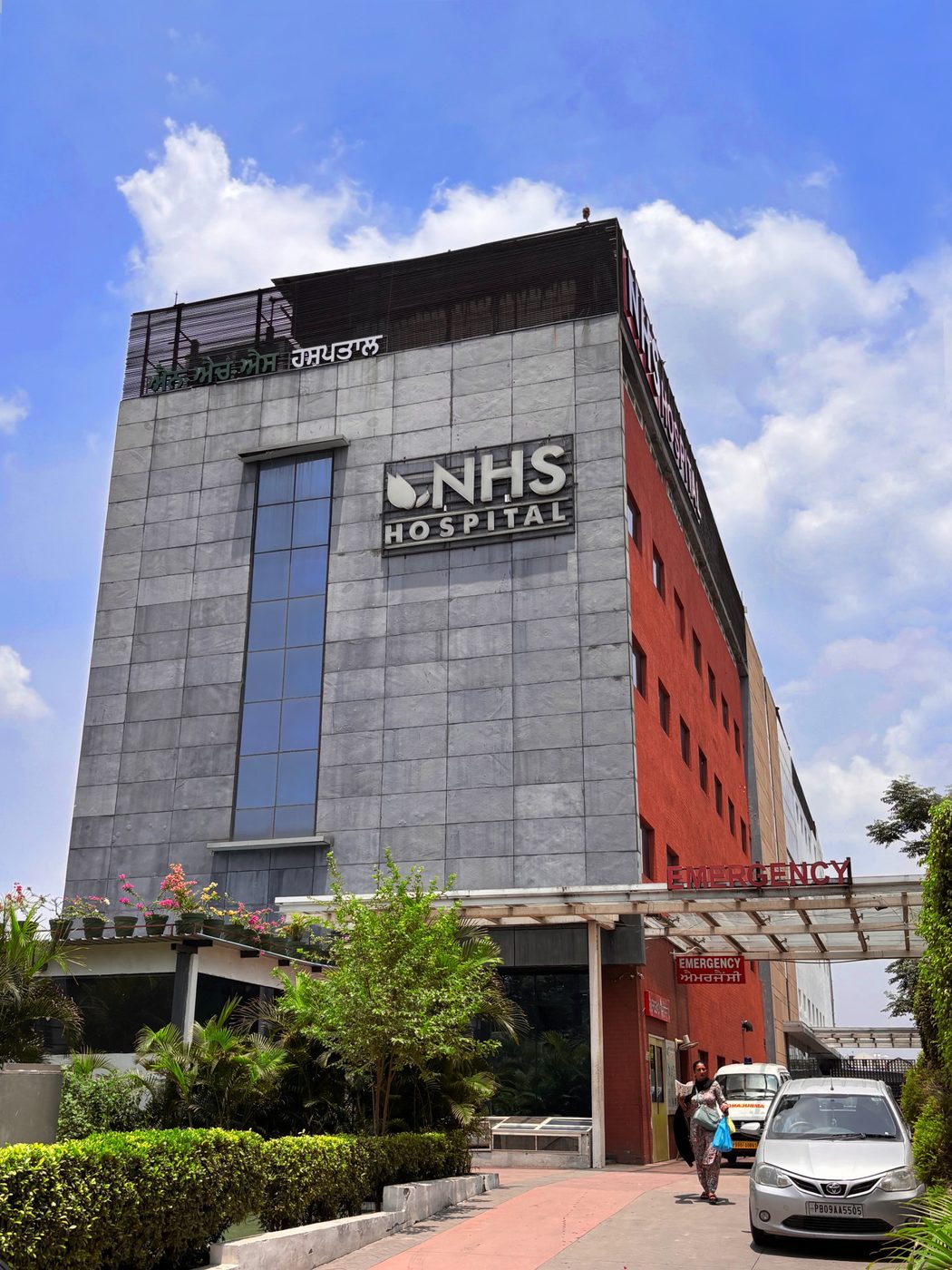
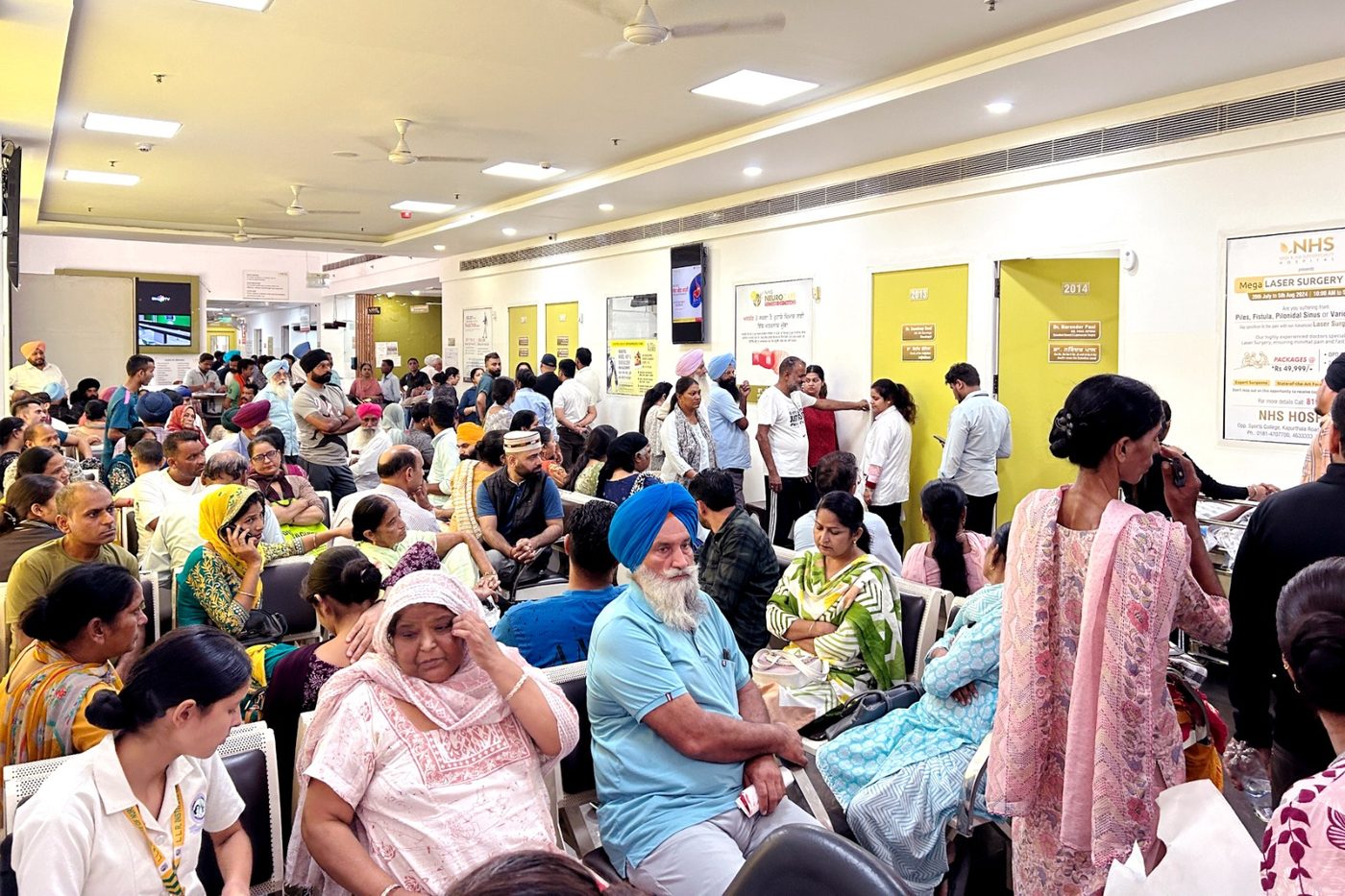
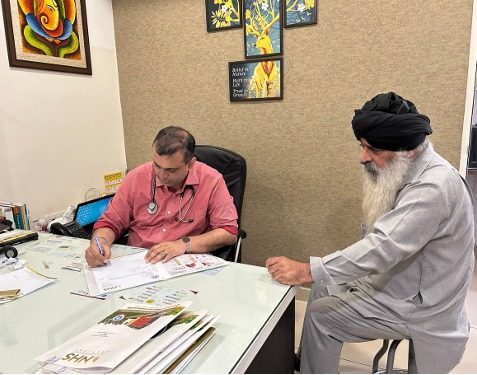
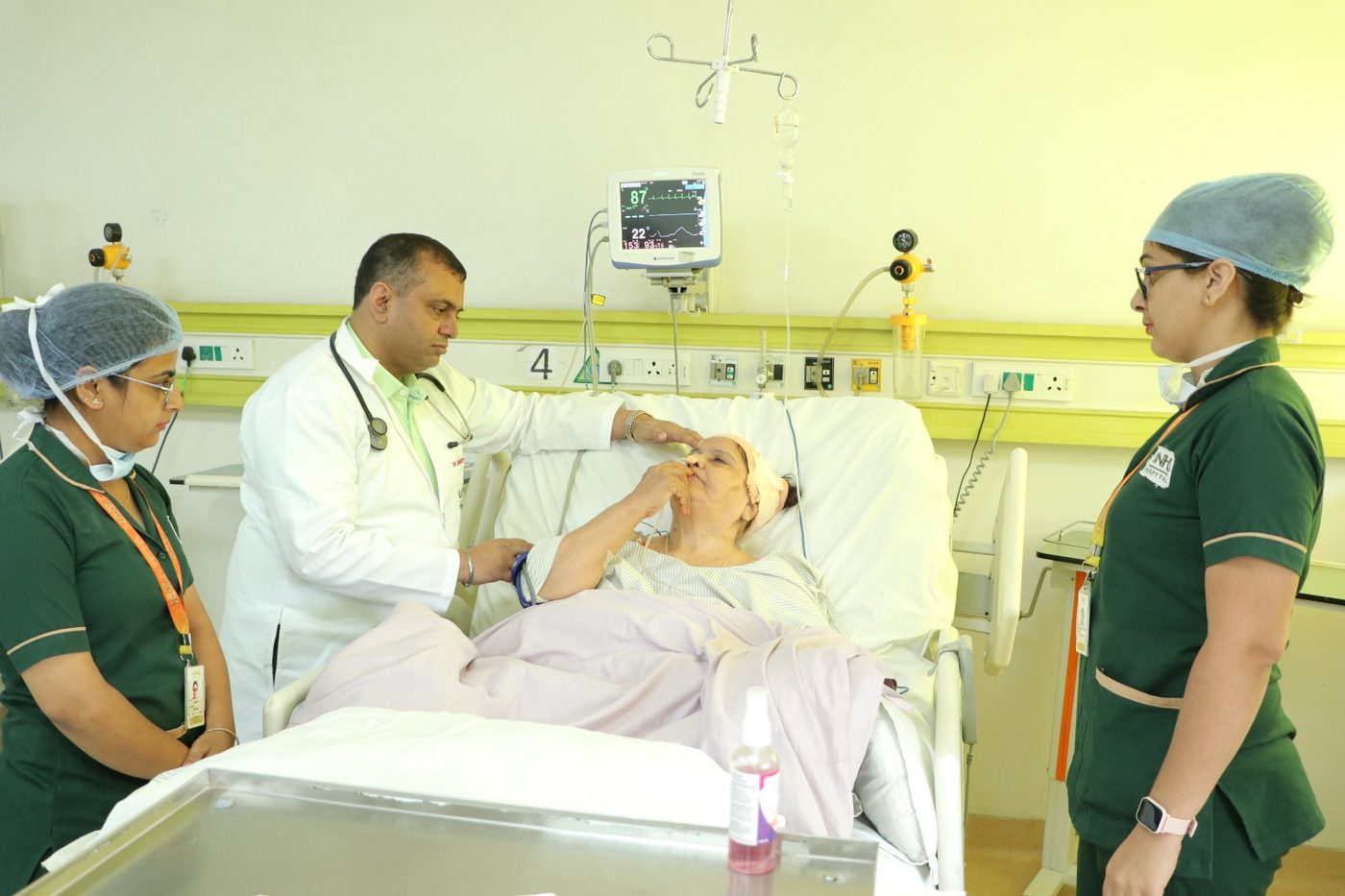
Photographs taken inside NHS Hospital, Jalandhar — the outpatient floor where your first appointment happens, the wards, and the critical care unit that stands behind every gastroenterology admission. Open any picture at full size.

What to expect

Your care pathway, step by step

Patients who know what is coming next worry less, and recover faster for it. Here is the route from your first appointment through to being back at home.

01

Counselling & guidance

Our patient relationship executives go through schedules, cost estimates and logistics, arrange pre-anaesthetic checkups, adjust medicines where needed and verify insurance approval before the day.

02

Tests & consultant review

Diagnostics run in the radiology or pathology wing. Digital reports sync immediately and a senior consultant reviews them, lining up any other department that needs to be involved.

03

Procedure & inpatient care

Should you need admitting, you are placed in the ward or room category you have chosen. The senior consultant stays in charge of your care, with nursing teams and intensive care doctors on duty behind them at every hour.

04

Discharge & instructions

A full medical summary is prepared, and before you leave someone sits down with you over the take-home medicines, the wound care, what to eat, and who to ring if something goes wrong.

05

Follow-up at home

You leave with a discharge folder built around your case — diet guidance and the dates for review — then our nursing station calls to check in by phone, and your review appointments are with the consultant who treated you.

Cashless insurance and TPA desk

On admission, your insurance card and photo ID go to the Cashless Desk. Our coordinators put the clinical file together and send it to your TPA; approval is usually completed within 2 to 4 hours. The same desk helps with reimbursement paperwork.

Star Health HDFC ERGO ICICI Lombard Niva Bupa Care Health Bajaj Allianz SBI General ECHS CGHS MDIndia TPA Medi Assist TPA Vidal Health TPA Paramount Health TPA

Consultant-led, not junior-led

The senior specialist who assesses you is the one who carries out your procedure and the one who reviews you afterwards — none of it is handed down to junior staff. When a case spans departments, say a liver patient who also needs a cardiac or surgical opinion, those specialists agree the plan together before anything begins.

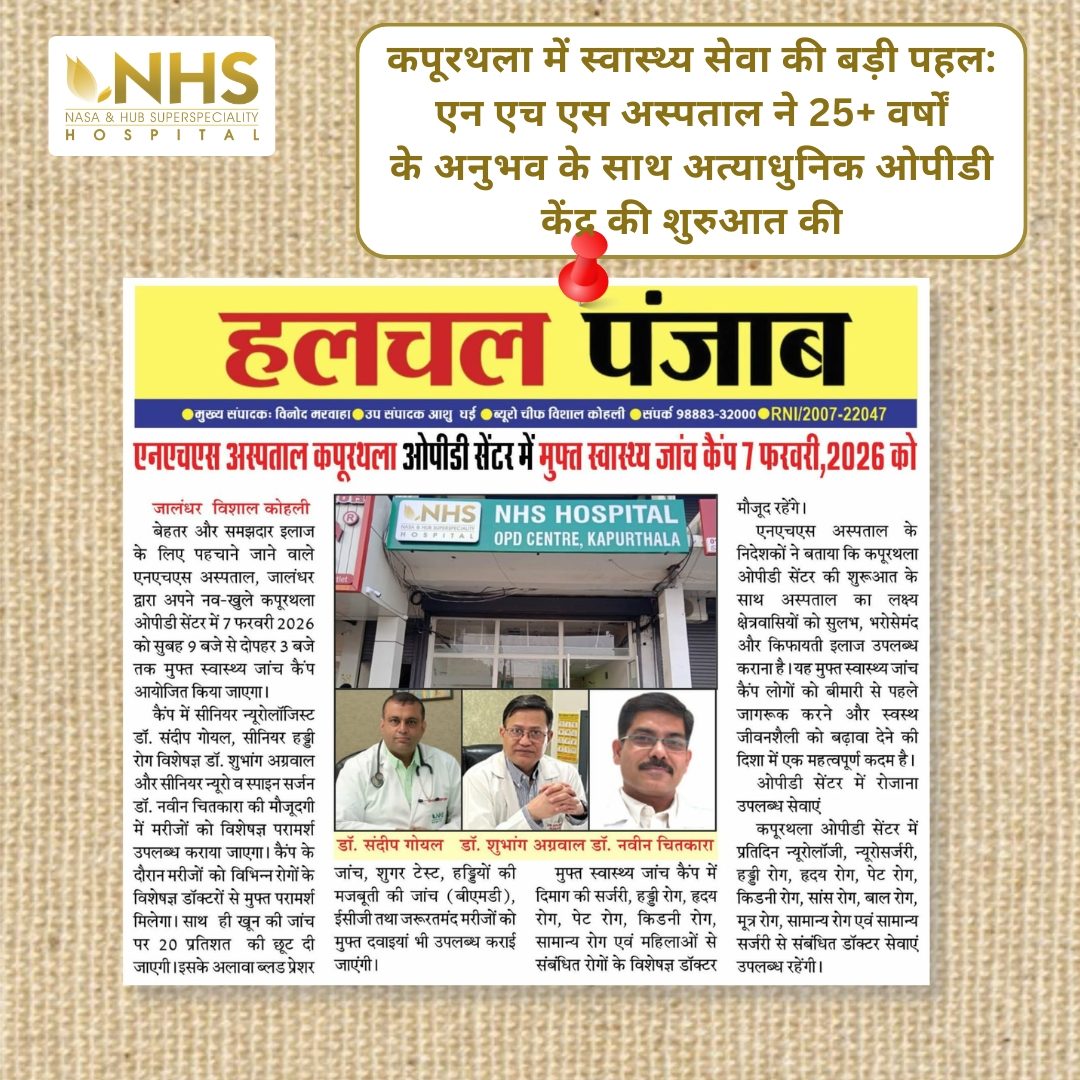
NHS Hospital serves patients from across Punjab, Himachal Pradesh and Jammu & Kashmir, with OPD centres including Kapurthala for follow-up closer to home.

Patient education

Watch: gut & liver health explained

Short videos from our team on symptoms worth knowing about, and patient stories from the hospital.

Dyspepsia warning signs you shouldn't ignore

A liver patient's story, filmed with Dr. Saurabh

Told an operation was next — treated with medicine instead

A patient on being dealt with straight, and how it turned out

Patient voices

What patients say

★★★★★

"Very good team of doctors… neat and clean, with good infrastructure… staff very polite and empathetic."

— Vikas Kalra · Google review
★★★★★

"From the reception to the MRI Center… just perfect… the minute we entered, half the battle was won… the whole hospital gave such confidence."

— Amit Mayor · Google review
A liver turned around

One patient's hepatology treatment here, told on camera with Dr. Saurabh. The full film sits in the video row further up this page.

— Verified patient · NHS video testimonial
Hospital news

What the local papers have carried

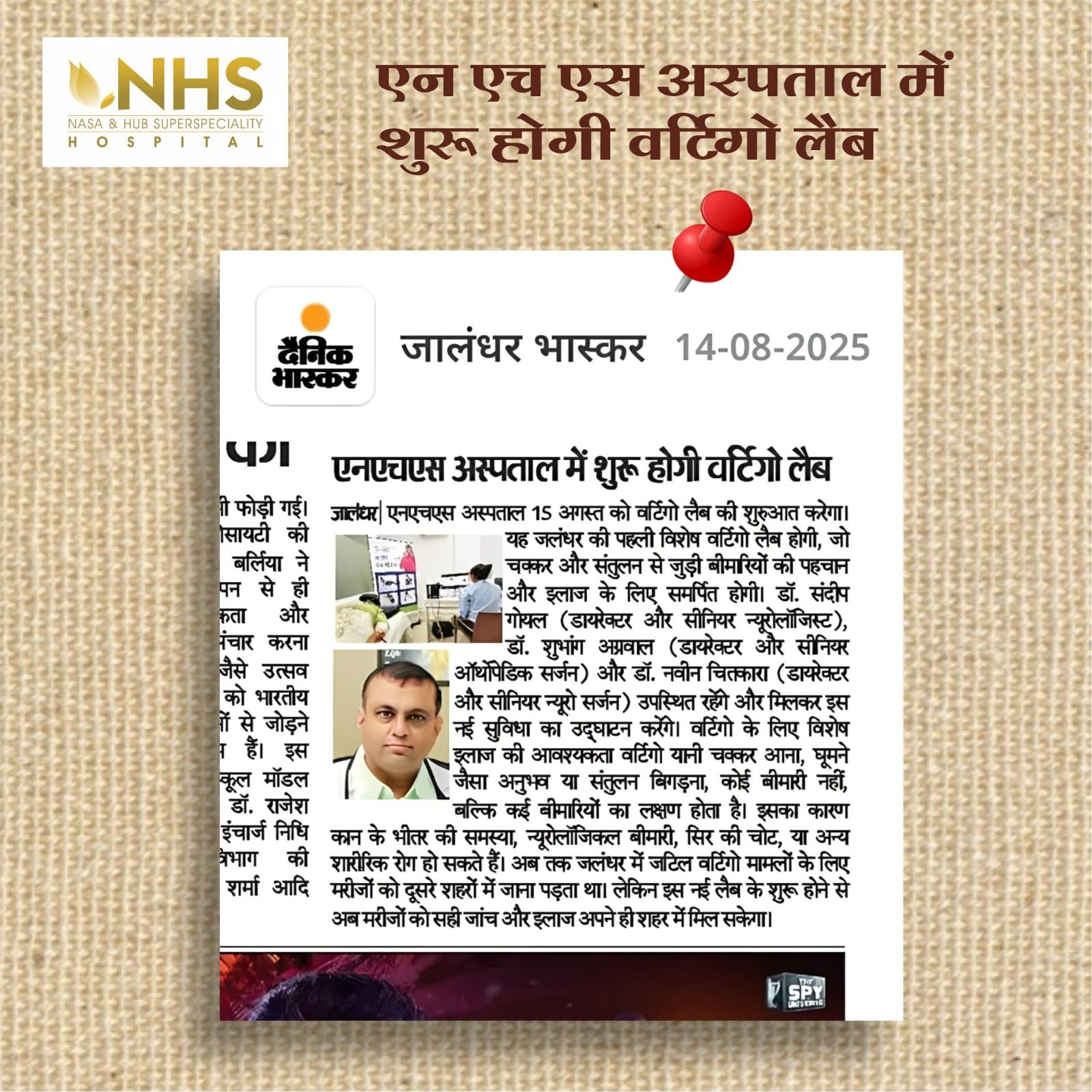
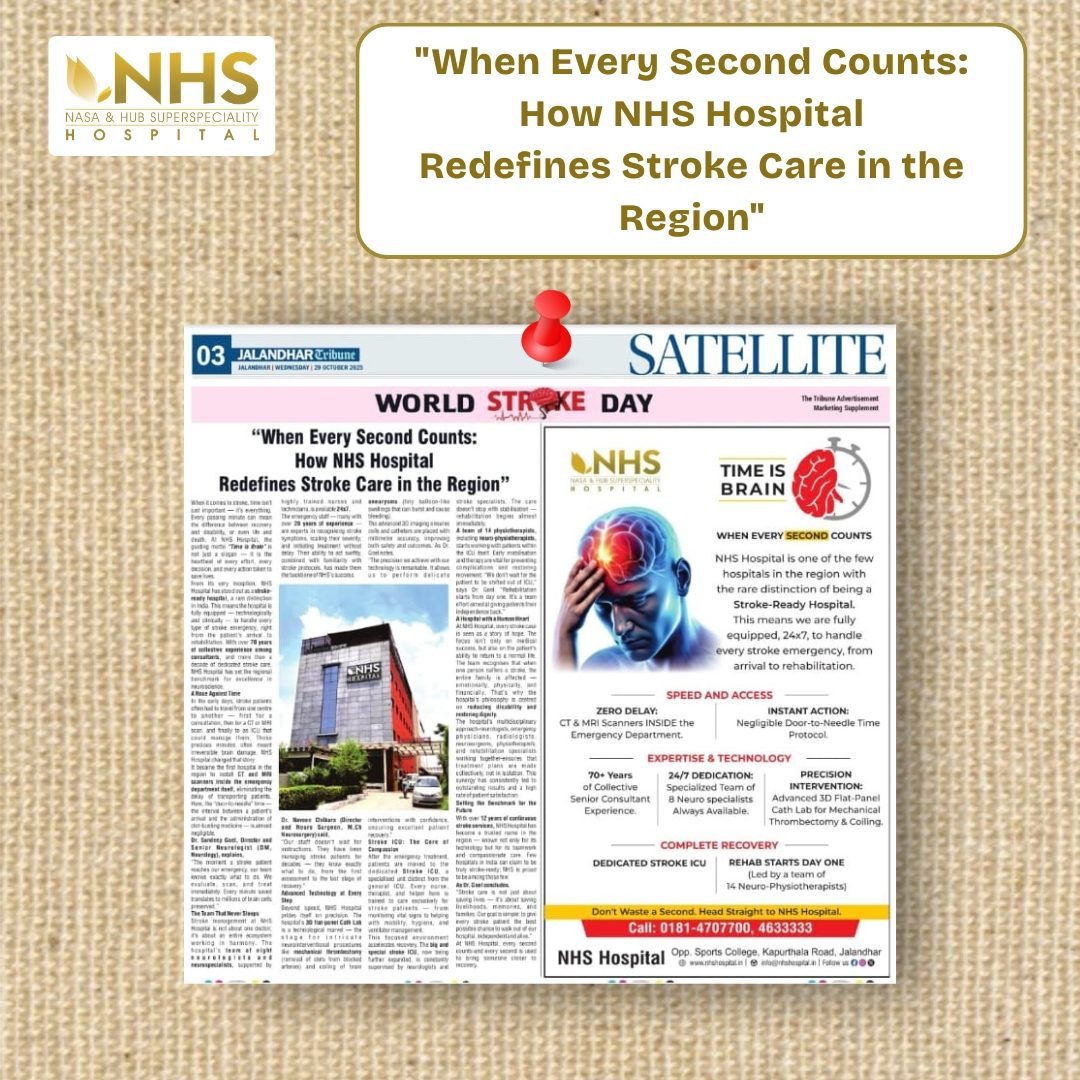
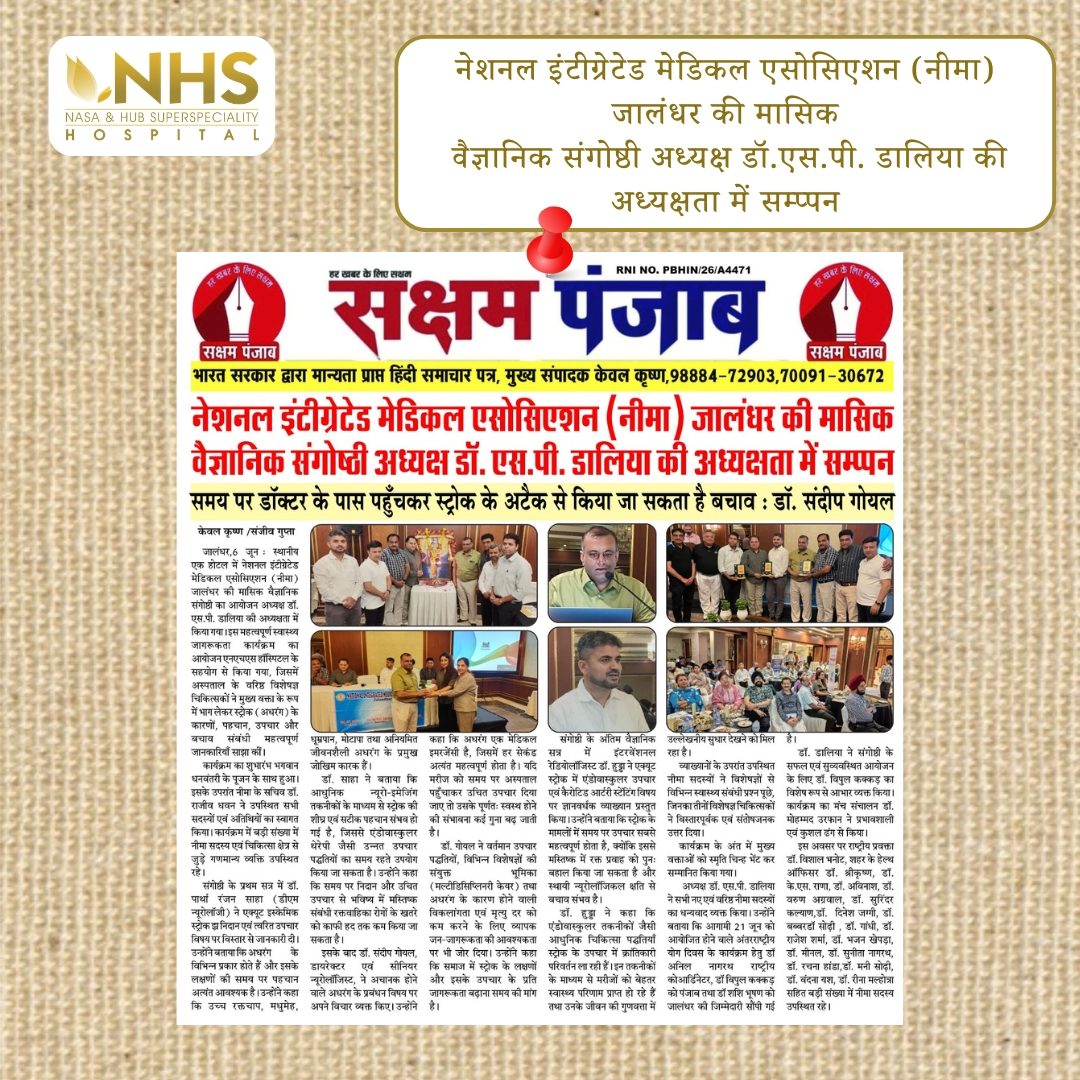
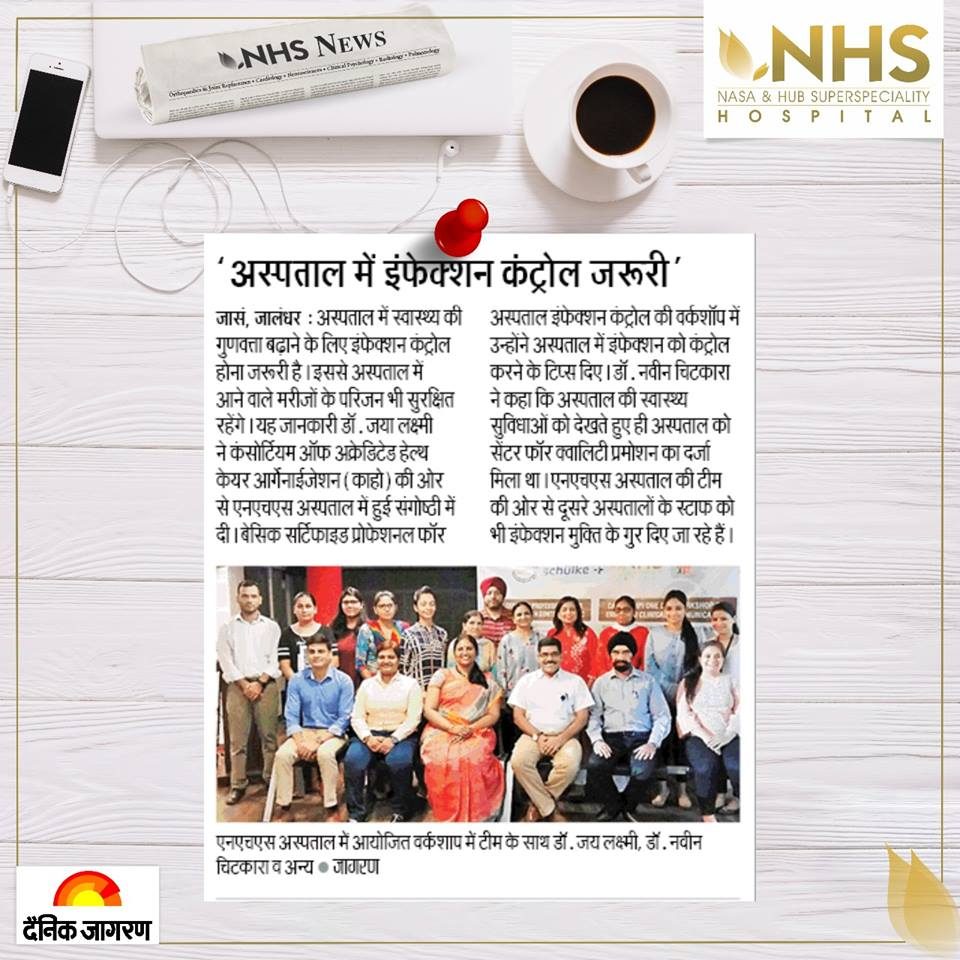
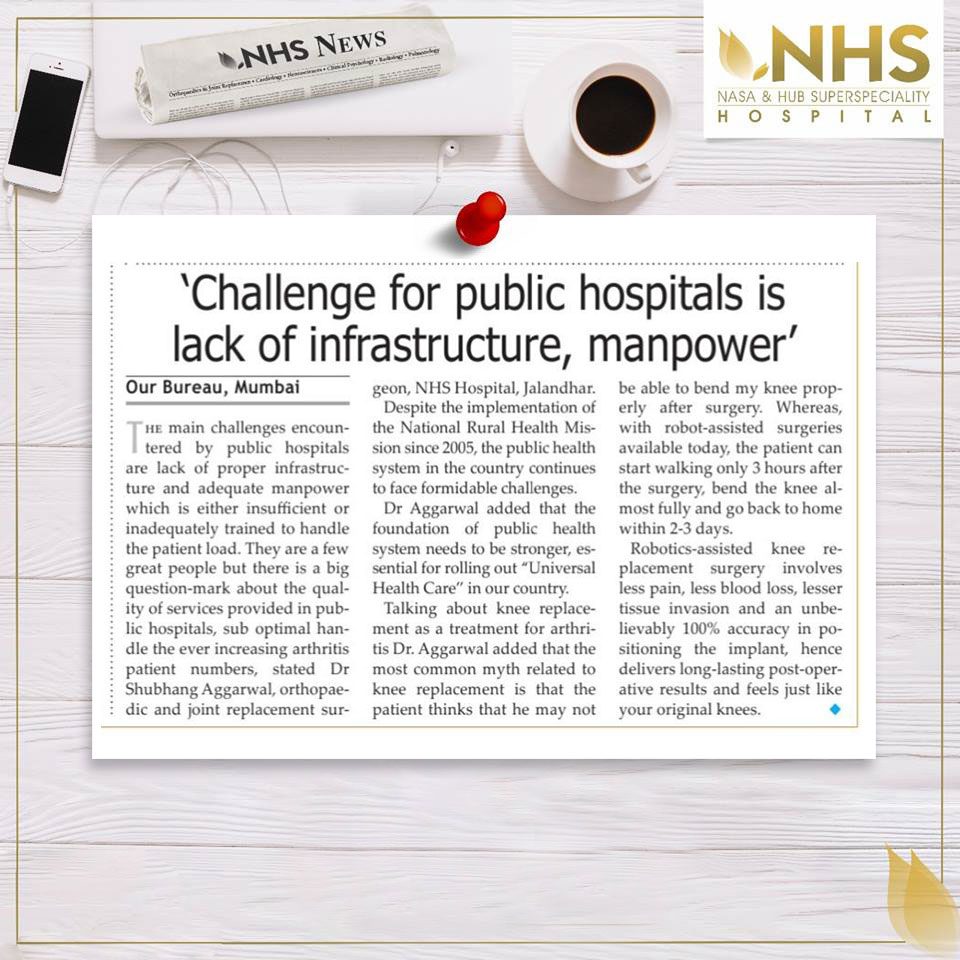
These clippings are about the hospital as a whole rather than the gastroenterology department — new services, teaching days we host, and comment from our doctors. Much of the archive is in Hindi and Punjabi. Open a cutting to read it at full size.

FAQ

Common questions

Is endoscopy painful?

It is done under sedation and takes a few minutes. Most patients go home the same day.

Do I need to fast?

Yes — usually 6 hours for an upper endoscopy. Full instructions are given when your slot is confirmed.

Can fatty liver be reversed?

Early stages often improve substantially with a structured diet, weight and metabolic plan. FibroScan tells us the stage first.

Who is the gastric balloon for?

Patients who need meaningful weight loss but are not ready for bariatric surgery. Suitability is confirmed at consultation.

Does fatty liver actually cause symptoms?

Often none at all, which is exactly the problem. Where symptoms do appear they are vague — tiredness, a dull ache under the right ribs, weight dropping for no clear reason. A good number of cases only surface when someone runs a routine liver check, FibroScan included.

What advanced procedures does the department offer?

Upper GI endoscopy and colonoscopy, ERCP, Endoscopic Ultrasound (EUS), FibroScan to read the liver, and surgery for cancers of the GI tract.

Is bloating every day normal?

No. Bloating that turns up every day, or refuses to settle, deserves a proper look — particularly once it has run on for several weeks, or arrives alongside pain, falling weight or a change in bowel habit.

At what point does this need a specialist?

Book an appointment once the bloating has outlasted a fortnight or keeps coming back — and book sooner if there is jaundice, vomiting, severe pain, blood in the stool, or weight you cannot account for.

Can stress cause bloating?

It can. Stress changes the way the gut works and the way the bowels move, and it reliably makes Irritable Bowel Syndrome worse — bloating included.

Which foods commonly cause bloating?

Pulses and cruciferous vegetables — lentils, beans, cabbage, broccoli — plus onions, fizzy drinks, processed food and some dairy. Triggers are individual, though, so treat that as a starting point rather than a rule.

Is it always just gas?

Not at all. Constipation, an intolerance, inflammation, fluid collecting in the abdomen, liver disease, or any number of disorders of the digestive tract can produce the same feeling.

Is laser treatment for piles suitable for everyone?

Not always. Severe cases may need a different treatment. The stage of the piles is assessed first, and the surgeon recommends the appropriate option from there.

Do you handle cashless insurance?

Yes. NHS Hospital is empanelled with major TPAs and insurers including Star Health, HDFC ERGO, ICICI Lombard, Niva Bupa, Care Health, Bajaj Allianz, SBI General, ECHS and CGHS. Take your insurance card and photo ID to the Cashless Desk; approval is usually completed within 2 to 4 hours.

Who will actually treat me?

Care here is consultant-led. Your assessment, your procedure and every progress check afterwards are handled in person by the senior specialist — not passed down to junior doctors.

What if I need help outside OPD hours?

There is a 24/7 emergency and trauma desk, with the lab staffed through the night, CT and MRI on call and ICU beds behind it — which is what matters when it is GI bleeding, acute pancreatitis or a liver decompensating. Call 0181-4707700 at any hour.

Stop guessing about your stomach and liver.

Talk to our coordinator today. Near Sports College, 300m from Kapurthala Chowk, Jalandhar — 144001.

NHS Hospital

Near Sports College, 300m from Kapurthala Chowk, Jalandhar — 144001

0181-4707700 / 4633333

info@nhshospital.in

For patients

Appointments Second Opinion Health Check

About NHS

About Hospital Academic Programs Careers
© NHS Hospital, Jalandhar Multi-specialty tertiary care · 24/7 Emergency