Blockage
Is the blockage significant?
Not every narrowing needs a stent. We re-read the angiogram against symptoms and function.
Re-read against symptoms
A senior consultant cardiologist at NHS Hospital reviews your angiography, reports and ECG — and tells you plainly whether a stent, bypass or medical management is right for you.
Our cardiac coordinator calls you back the same day.
Not every narrowing needs a stent. We re-read the angiogram against symptoms and function.
Multi-vessel and diabetic patients often do better with a different route than the one first advised.
A written plan with cashless TPA and insurance options explained before admission.
If it is an emergency we say so immediately and move you into the cath lab pathway.
The Expert Second Opinion Clinic exists for exactly this situation — major surgery on the table, or a diagnosis nobody has properly explained. Senior specialists work the case through in a set order and come back with two answers: whether the diagnosis holds up, and what every option actually on the table is.
Contact details, plus whatever diagnosis you have already been handed. That is the whole form.
A clinical coordinator rings you and takes in the angiography CD, ECG, echo, CT and lab reports over a secure channel.
The panel goes through the records and puts its diagnostic and treatment conclusions in writing, in plain language.
Counting from the moment the panel has your files in hand, the answer normally comes back inside 24 to 48 hours.
Mid-event, a report review is the wrong tool entirely. Ring the 24/7 rapid emergency desk on 0181-4707700 straight away.
Heart and vascular work has been running at the NHS Centre of Excellence in Cardiology for more than 10 years. Open any condition below to see what it is and how it gets managed here.
Plaque collects inside the coronary arteries, the channel narrows or closes, and the heart muscle stops receiving the blood it needs. That one mechanism sits behind most chest pain, breathlessness and unexplained fatigue — and behind heart attack itself, along with the serious complications that follow it. Working out how far it has gone draws on cardiac catheterisation, CT angiography, stress testing, echocardiography and the ECG. What we do next depends on that answer: medication and a change in daily habits for some, angioplasty with stenting for others, coronary artery bypass surgery where the anatomy demands it.
An arrhythmia is a heartbeat that has lost its timing — racing, dropping too slow, or simply irregular. Patients tend to notice it as palpitations, dizziness, breathlessness, discomfort in the chest, or a blackout. Pinning down which rhythm is misbehaving calls for ECG, Holter monitoring and echocardiography. The remedy may be as light as adjusted habits and a tablet; it may equally mean catheter ablation, a pacemaker, or implantable defibrillator therapy.
The valves are one-way doors sitting between the heart's chambers and the major vessels. They can stiffen and narrow (stenosis), leak backwards (regurgitation), or fail to shut cleanly. The complaints that follow are breathlessness, tiredness, chest pain, palpitations and swollen legs. Ignored long enough, valve disease progresses to heart failure, arrhythmias or stroke, which is the reason for catching it early. Management runs from medication and daily-life adjustment through to valve repair or replacement. NHS Hospital performs TAVR (transcatheter aortic valve replacement) and was the first in the region to carry it out.
The same narrowing, but in the limbs — the legs in most cases — where the muscle ends up short of blood. The giveaways are cramp that arrives while walking, aching, numbness, and wounds that take far too long to close. Care begins with medication and changes to daily routine; where that is not enough, minimally invasive angioplasty or open surgery reopens the vessel. The aim is plainly stated: get circulation moving, settle the symptoms, and stay well clear of ulceration or losing the limb.
Syncope is the medical word for a faint. Behind it lies either a sudden fall in blood pressure or blood briefly pooling where it should not. Usually there is a warning first: light-headedness, the room swimming, nausea, vision changing, skin turning cold. One pattern outranks the rest for significance — a faint that happens in the middle of physical exertion points to something more serious underneath. Sorting it out means a detailed history and physical examination, an ECG, a Holter monitor worn for 24 to 48 hours, and blood tests. Whatever we do about it follows the cause, and can mean medication, valve repair or replacement, or a pacemaker or implantable cardioverter-defibrillator.
If your second opinion concludes that a procedure is needed, these are the diagnostics and treatments the department offers, with the cath lab in the same building.
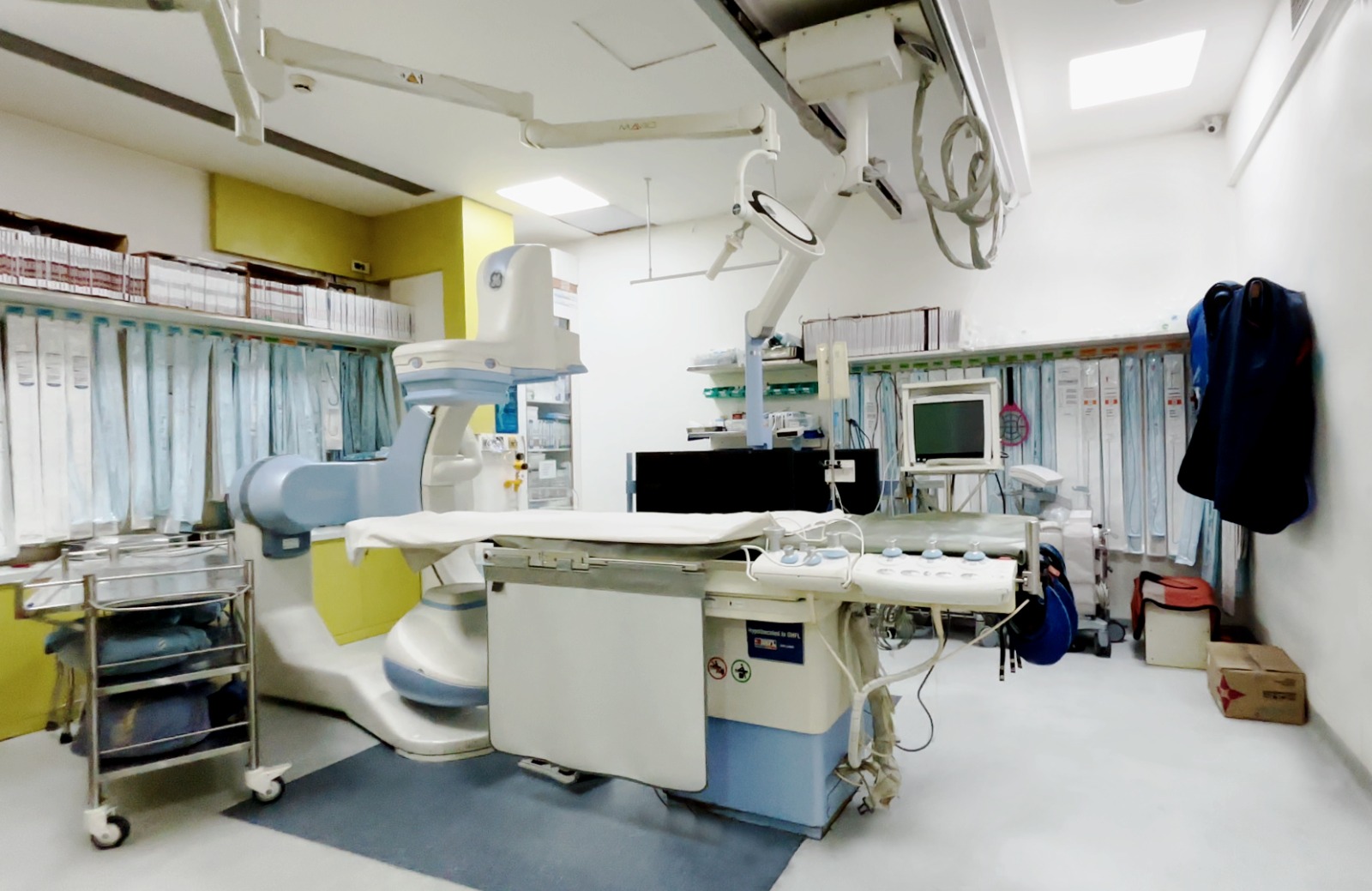
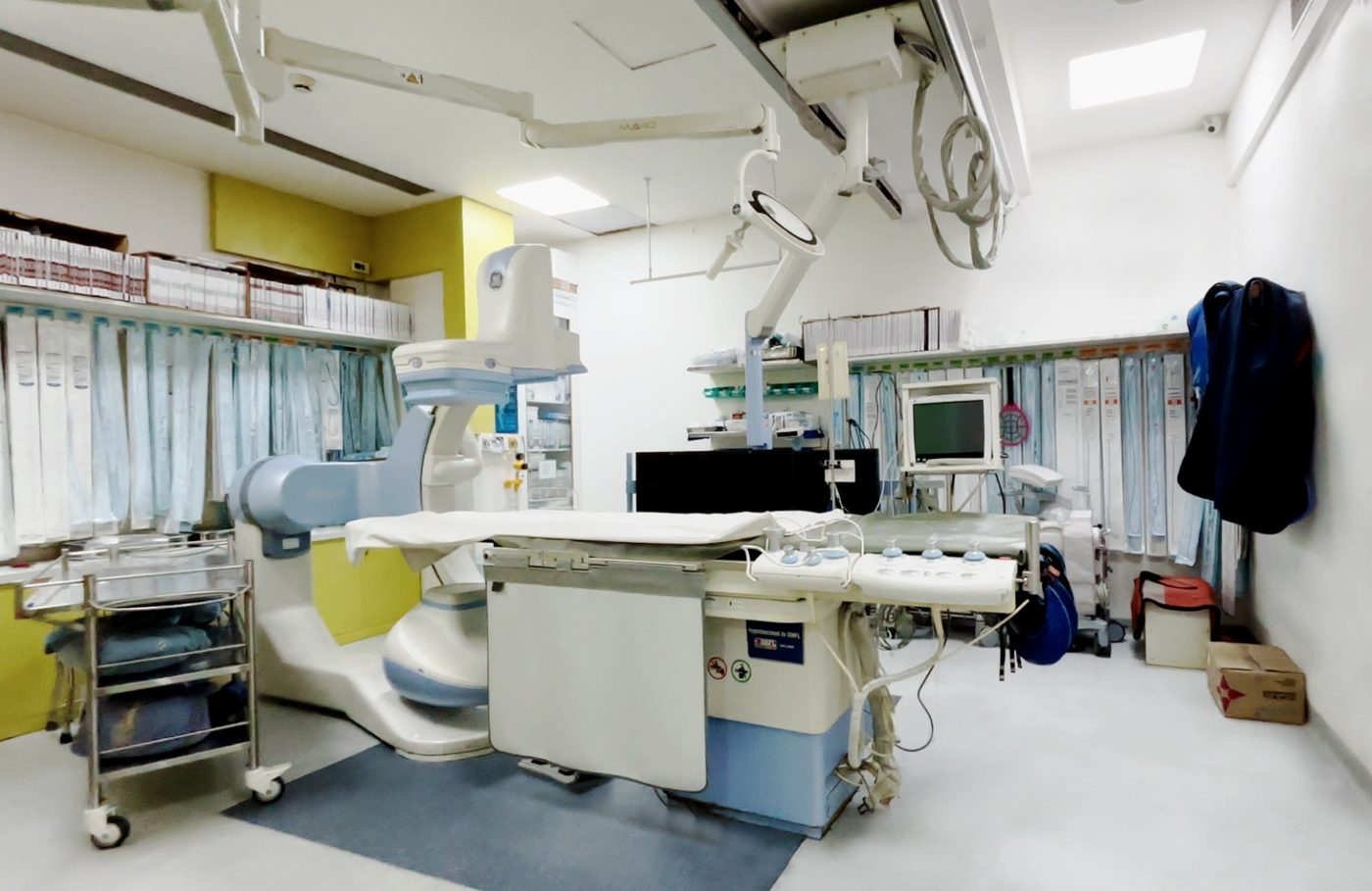
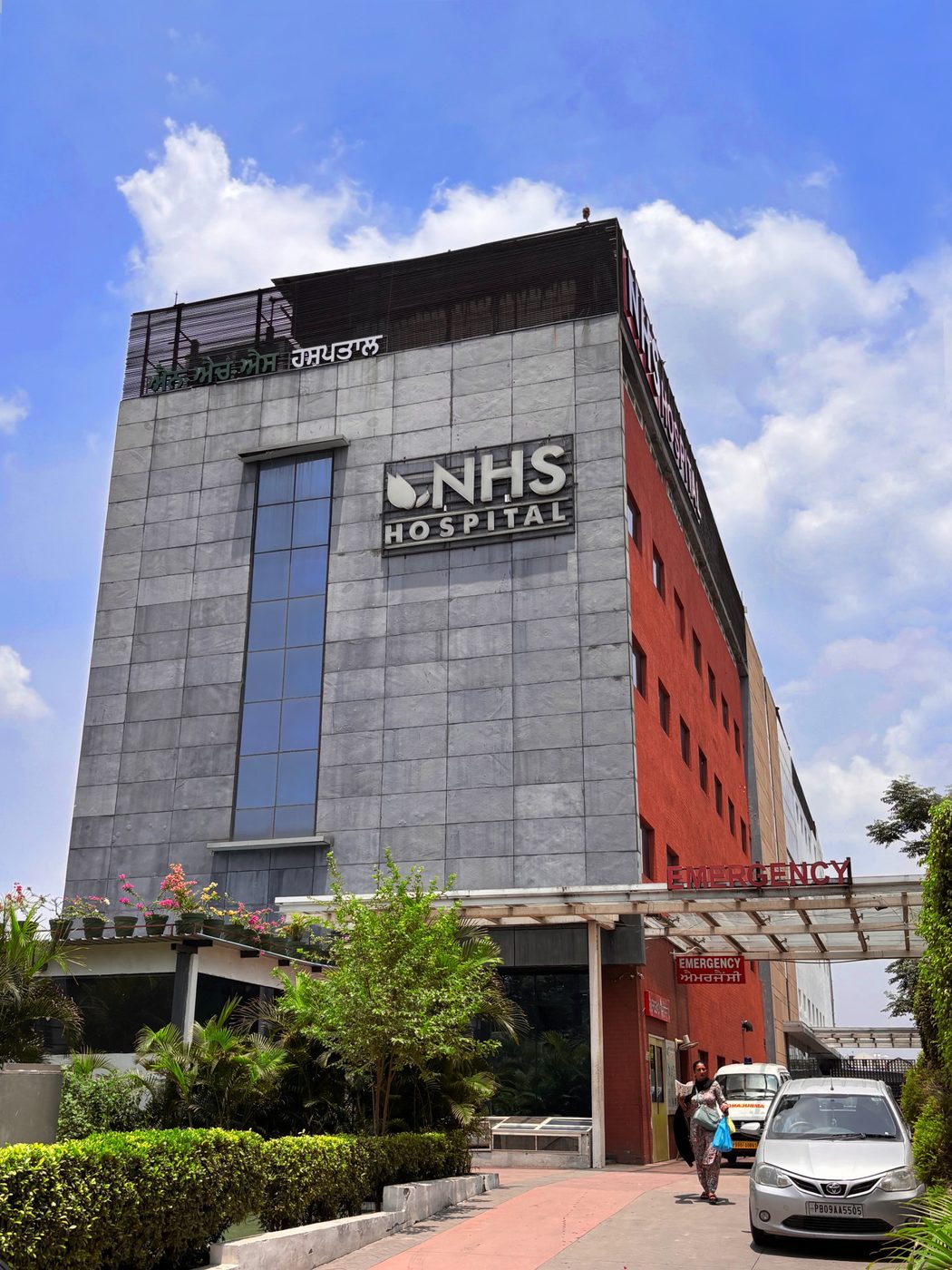
The catheterisation suite at NHS Hospital, Jalandhar.
When an artery closes, what decides the outcome is the clock rather than the technique. Because the 3D flat panel cath lab sits inside this building, coronary angiography and angioplasty happen where you already are — the blockage gets found and opened on the same visit, instead of costing you a transfer somewhere else first.
Specialties sit down together here instead of passing a file along the corridor. Where a cardiac patient also needs joint surgery, both consultants settle the plan between them before anything is booked — so one department's margin for safety is never quietly spent by the other.
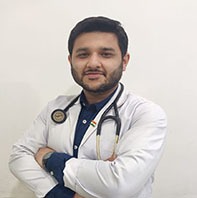
MBBS, MD, DM (Cardiology)
Cardiac Sciences Institute, NHS Hospital Jalandhar. His training runs MBBS, MD Medicine, DM Cardiology and DNB Cardiology, and he holds a Fellowship with SCAI and life membership of the Cardiological Society of India.
The second consultant cardiologist on the panel. Cases involving prevention, coronary intervention and structural heart work are frequently reviewed jointly.
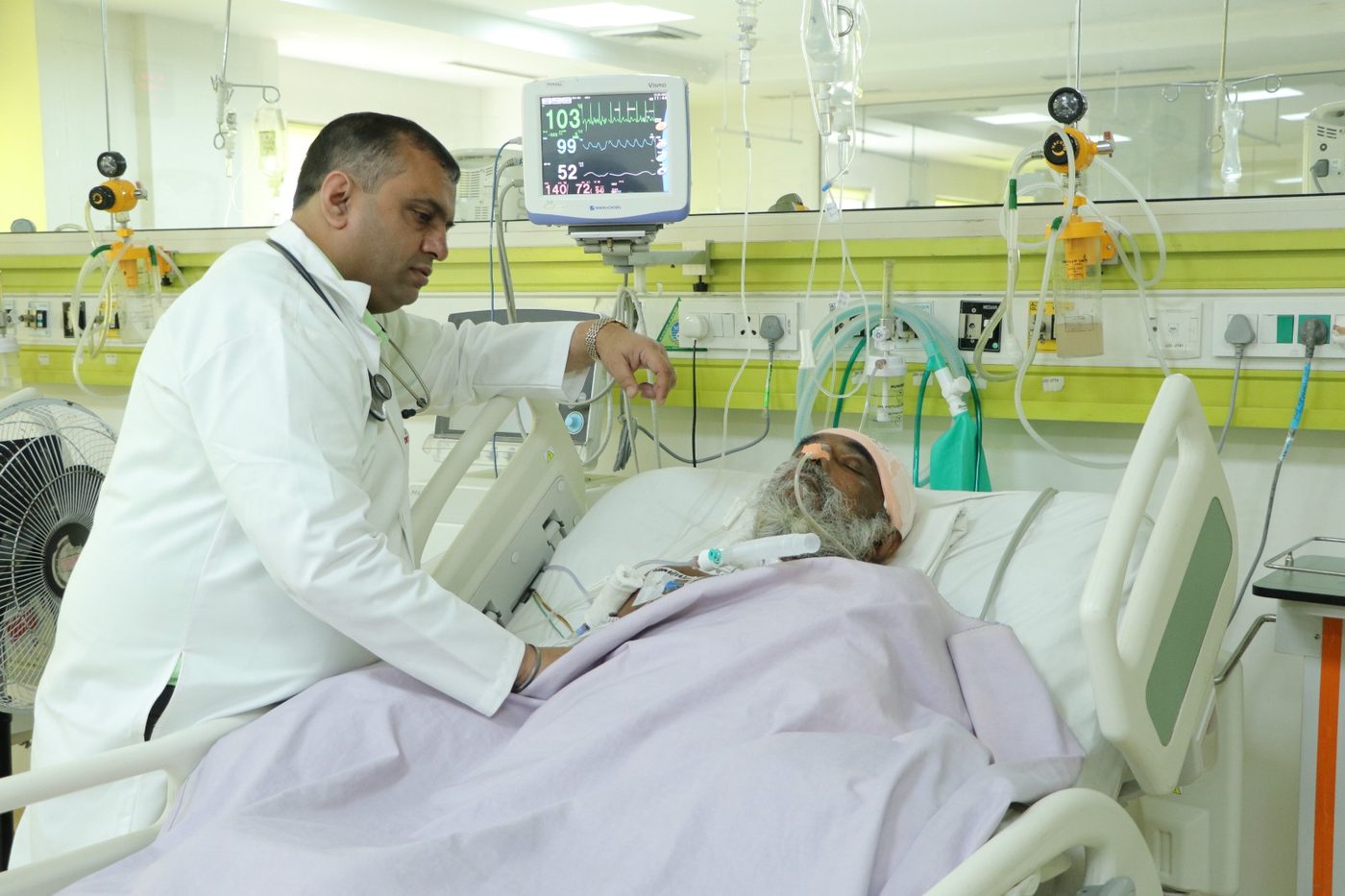
Three full-time DM cardiologists staff the department. The consultant-led model keeps the significant calls with them: the same senior doctor who maps out your treatment pathway is the one performing the procedure and walking the ward round, rather than handing any of it down to junior staff.
Anything complicated goes in front of a combined board — radiology, surgery, medicine and critical care around one table. The reason that structure exists is blunt enough: it makes a one-sided or revenue-led call about your heart much harder to make.
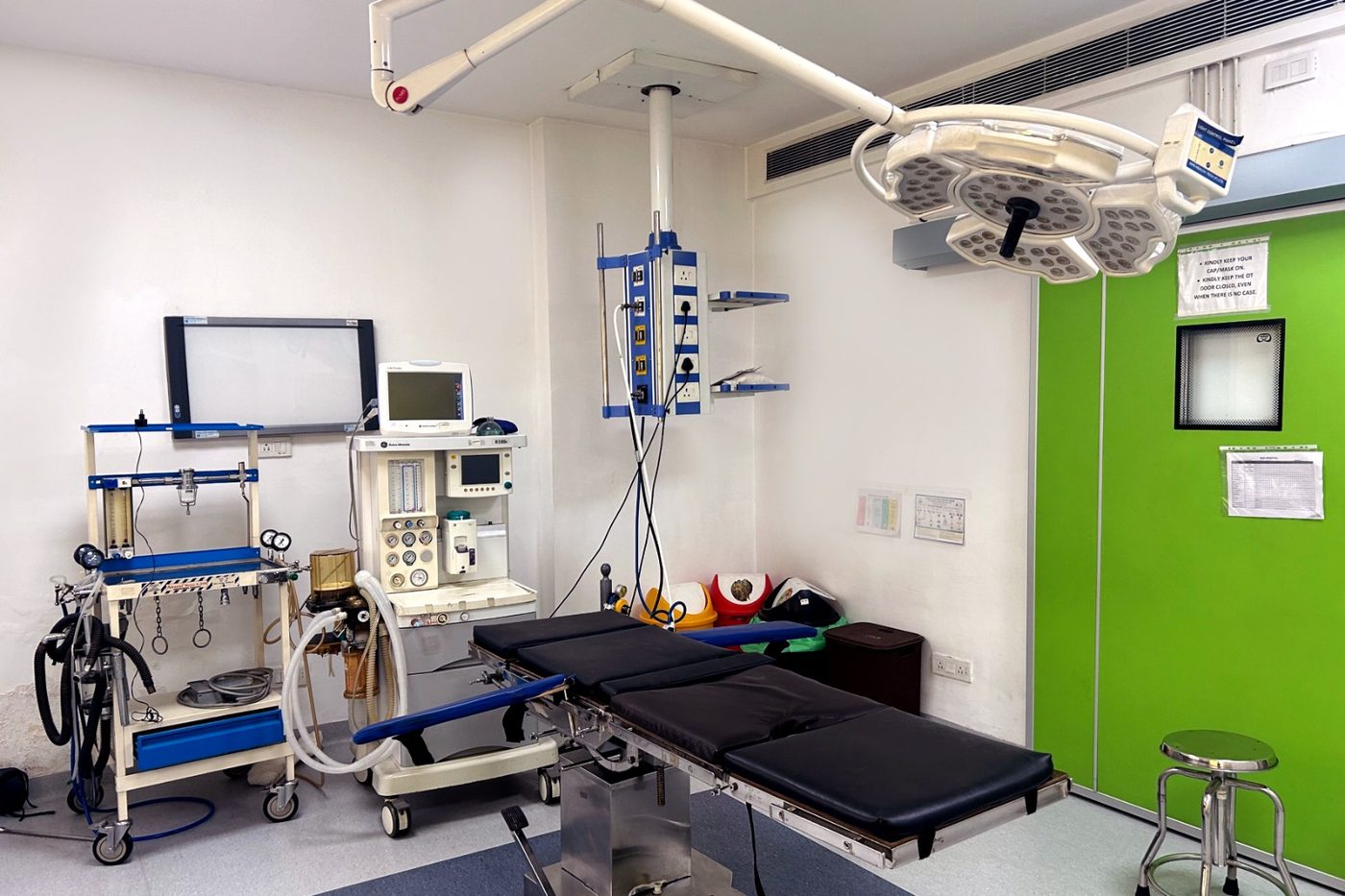
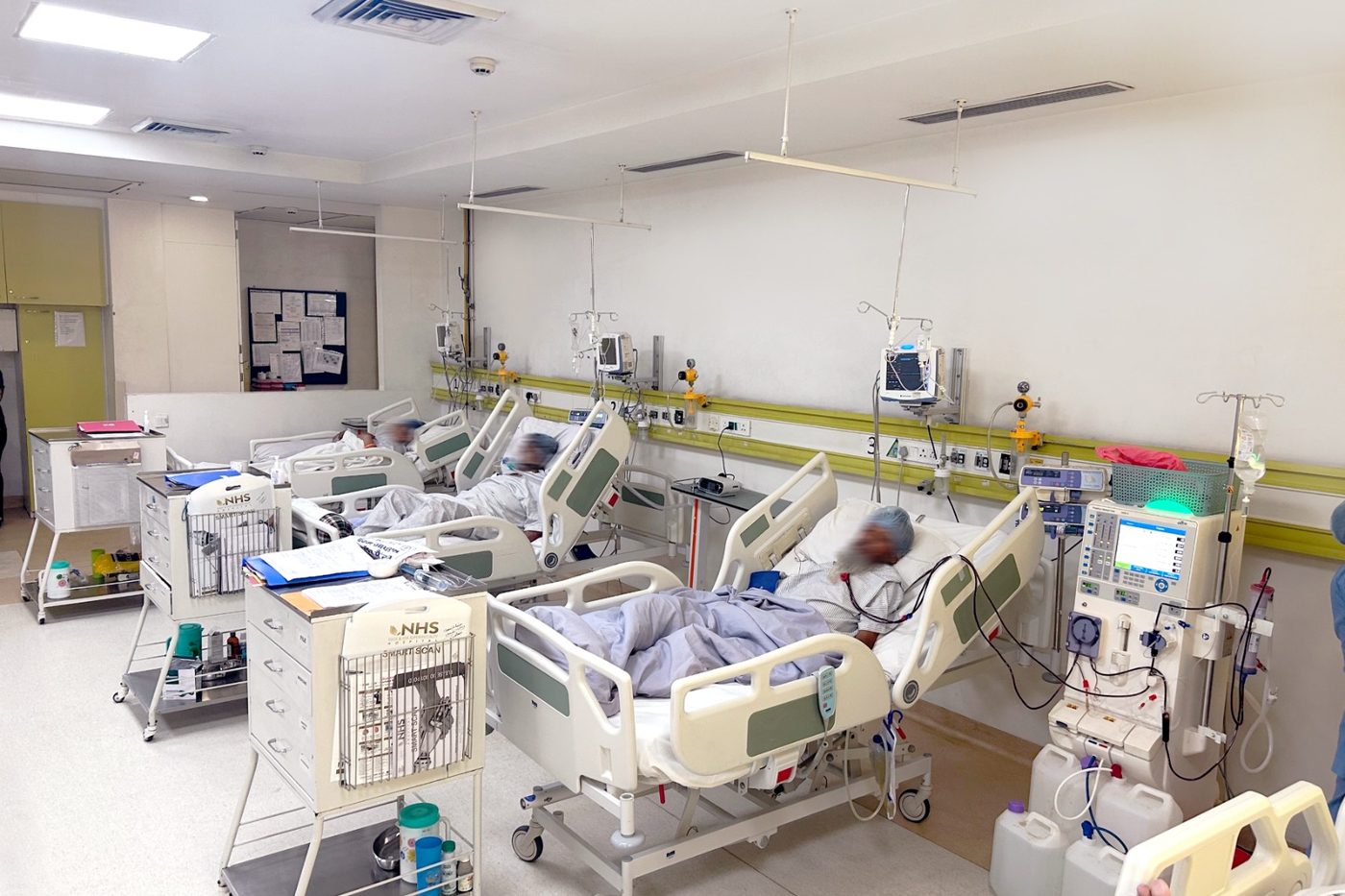
Photographs taken at NHS Hospital, Jalandhar, laid out in the order a heart patient meets them. Most people stop at the first one. Tap any picture to open it full size.
Few complaints bring more people through an emergency door. A good share of it turns out to be indigestion, a strained muscle or anxiety. A small share of it kills. The dangerous move is deciding in advance that yours belongs to the harmless group — during a heart attack, every hour lost is heart muscle that never grows back.
The two get mixed up constantly, because a burning sensation belongs to both. If you are not sure which one you have, treat it as the heart until someone with an ECG tells you otherwise.
In a heart attack — myocardial infarction, clinically — one patch of heart muscle has its blood supply either cut back sharply or shut off outright. Coronary artery disease is what usually gets it there: plaque narrows the vessel, and a clot finishes the job.
In women the presentation is frequently quieter than the textbook picture, and the diagnosis slips later as a result:
Subtlety is exactly the problem — discomfort you cannot account for deserves a look regardless.
Diabetes, high cholesterol and high blood pressure lead the list, with obesity and kidney disease close behind. Then add the ones tied to how you live — smoking history, excessive alcohol, too little exercise, stress that never switches off — and heart disease running in the family.
One shift worth naming: the under-40 age group is seeing more of these than it used to. Being young rules nothing out.
Treated early, far more of the muscle comes through intact.
The sooner it is named, the better the odds run.
Today's cardiac interventions can reopen the vessel fast.
Every hour held back stacks on more complications.
Your age and the family you were born into are fixed. What you eat, how you live and whether you get seen in time are not — and those move the needle a long way. The reward is not just a heart attack or stroke that never arrives; it is the energy to keep doing what you want to do, well into later life.

Build the plate around vegetables, fruit, whole grains, lean protein and healthy fats. Push salt, sugar and trans fats down.
Moderate activity builds the heart up and gets the circulation working. Walking counts. So do swimming, cycling and yoga.
Neither raised blood pressure nor raised cholesterol announces itself. A check-up on a schedule is how you find out while it is still easy to fix.
Tobacco injures the vessel wall and speeds the whole disease along. Drinking beyond moderation pushes blood pressure up and leaves the heart muscle weaker.
Stress that never lets up shifts your hormones, and the heart carries that load. Sleep enough. Meditation, mindfulness and a hobby you genuinely enjoy all pull in the same direction.
Extra weight makes the heart work harder for the same output, and pulls diabetes, hypertension and cholesterol disorders closer.
The Executive Preventive Health Programme includes cardiac screening at every age band, completed in a single day in a dedicated lounge with early morning fasting slots from 8:00 AM.
One explainer from our cardiology team, plus four patient testimonial films recorded at NHS Hospital, Jalandhar.
Body Swelling & Heart Risks — Dr. Sahil Sareen
From Critical Heart Condition to Recovery — Dr. Sahil Sareen
From Chest Pain to Recovery — a patient's journey
From Surgery Recommendation to Complete Healing with Medicine
Ethical Treatment, Exceptional Outcomes
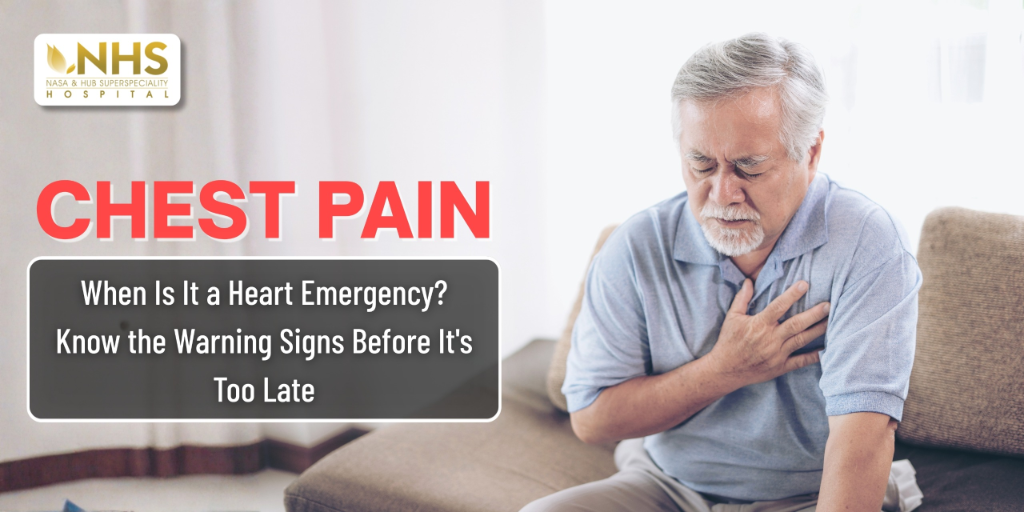
The heart is only one candidate. Lungs, oesophagus, stomach, nerves, and the muscles and ribs of the chest wall all generate pain that feels much the same from the inside. Since you cannot separate them by sensation alone, anything severe or unexplained earns a proper look.

Admission comes first, and the treatment inside it may be medication, angioplasty or bypass surgery. Then comes the part people underestimate: cardiac rehabilitation, meaning supervised exercise, counselling on how you live, and being taught what to watch for.
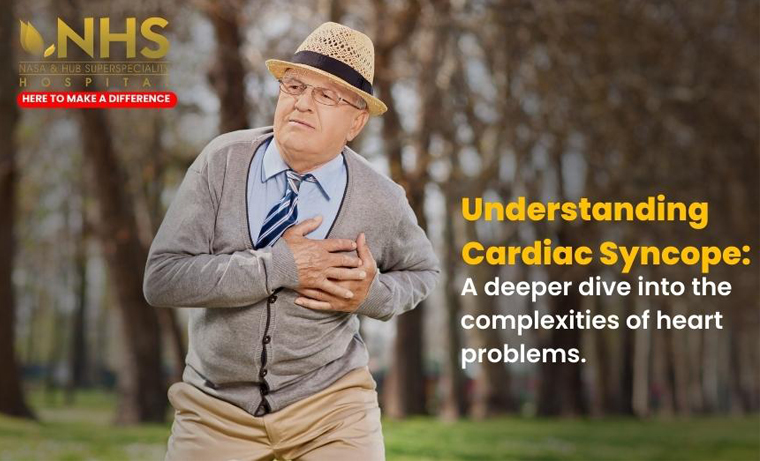
A blackout can mean nothing at all, or it can flag a valve problem, an arrhythmia or structural disease. The version that should never be shrugged off is the one that strikes during exertion — that wants an ECG, echocardiography and Holter monitoring without delay.
Reviews left by patients and families treated across departments at NHS Hospital, Jalandhar.
"Very good team of doctors in the modern equipped hospital. The hospital is very neat and clean with good infrastructure. The staff is also very polite and empathetic."
"Our experience from the reception to the MRI Center and other laboratories was just perfect. The minute we entered I think half the battle was won as the whole hospital gave such confidence and a positive vibe."
"My friend from Kashmir underwent a knee surgery from NHS Hospital Jalandhar. We were hopeless if he'll be able to walk again or even resume playing volleyball. But thanks to Dr Shubhang Aggarwal for the treatment and incredible services of NHS staff that he is as fit as before. Patients get reminder messages and a call from reception before time. Hospital staff is very punctual and polite."
A second opinion is only useful if you can act on it. Here is what happens with insurance, admission and travel.
Chasing an insurer is not a job for a cardiac patient's family, so a dedicated TPA desk takes it on — the pre-authorisation, the queries that bounce back, and the settlement at the end. Carry your insurance card and identity documents to the Cashless Desk on admission; the coordinators build the clinical file and put it up, and approval generally comes back inside 2 to 4 hours.
To check your policy before you travel, email your policy card and the doctor's recommendation to info@nhshospital.in, or call the TPA help desk on 0181-4707700.
If Jalandhar is a long trip, an NHS consultant cardiologist runs an outreach OPD at SS Medicity, Mukerian.
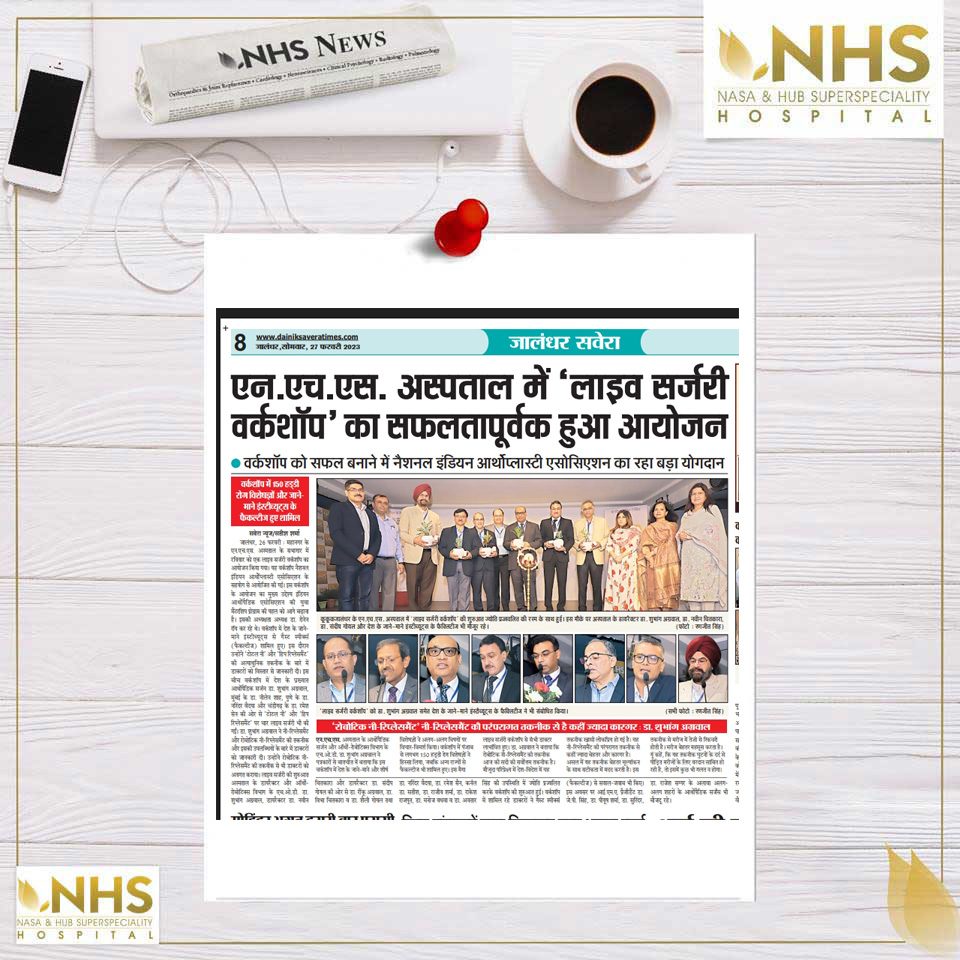
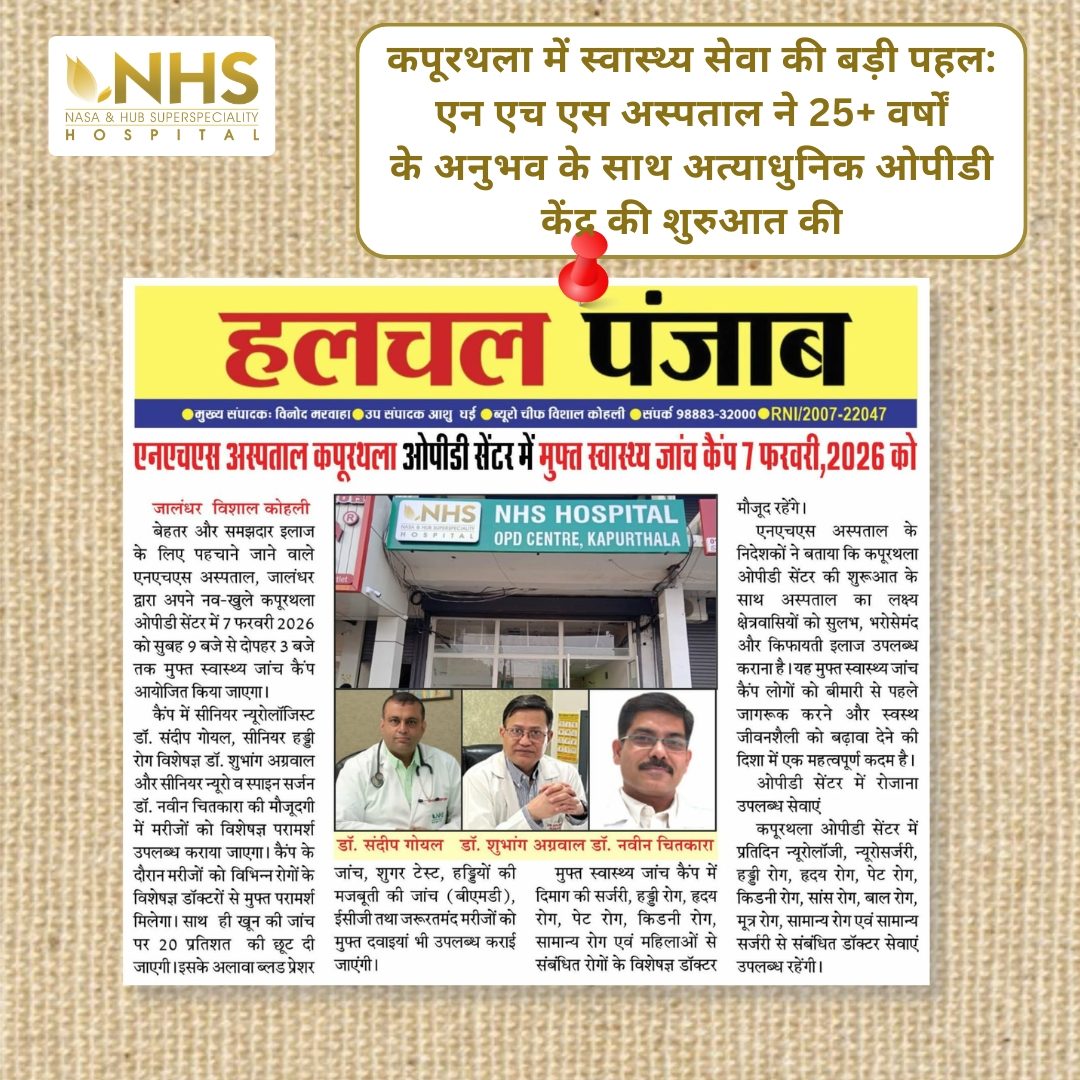
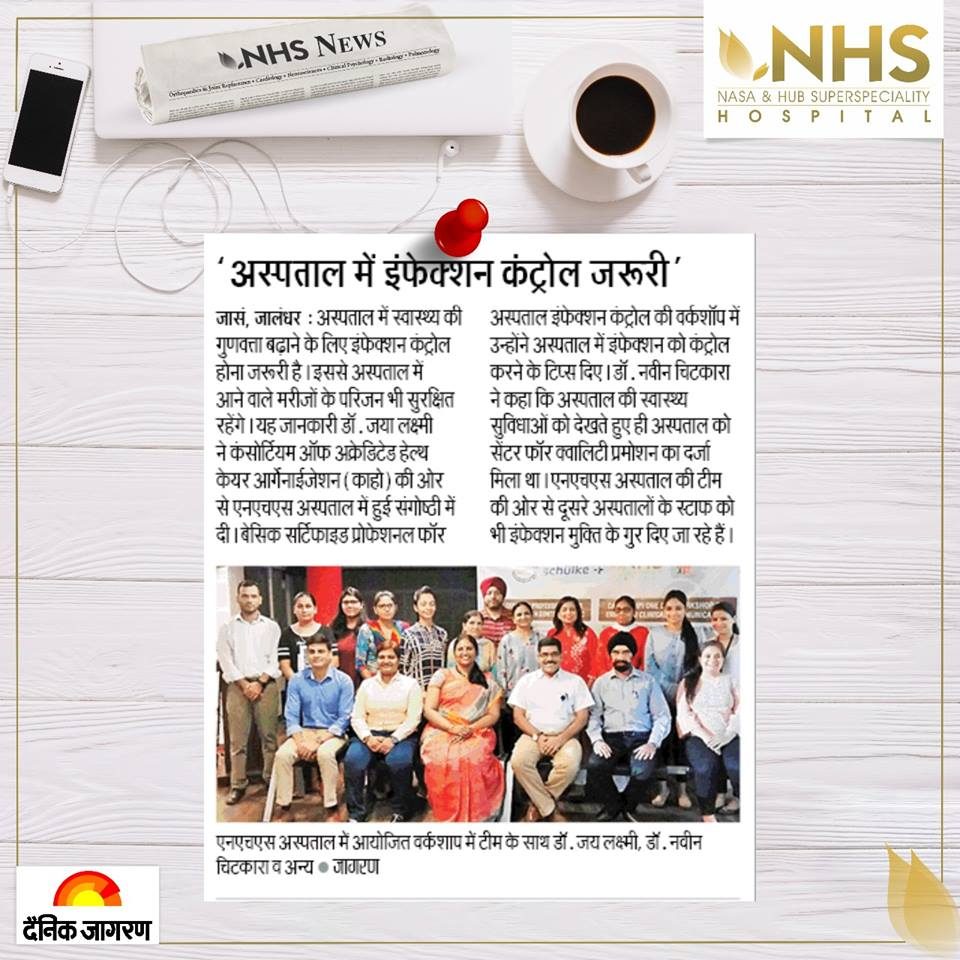
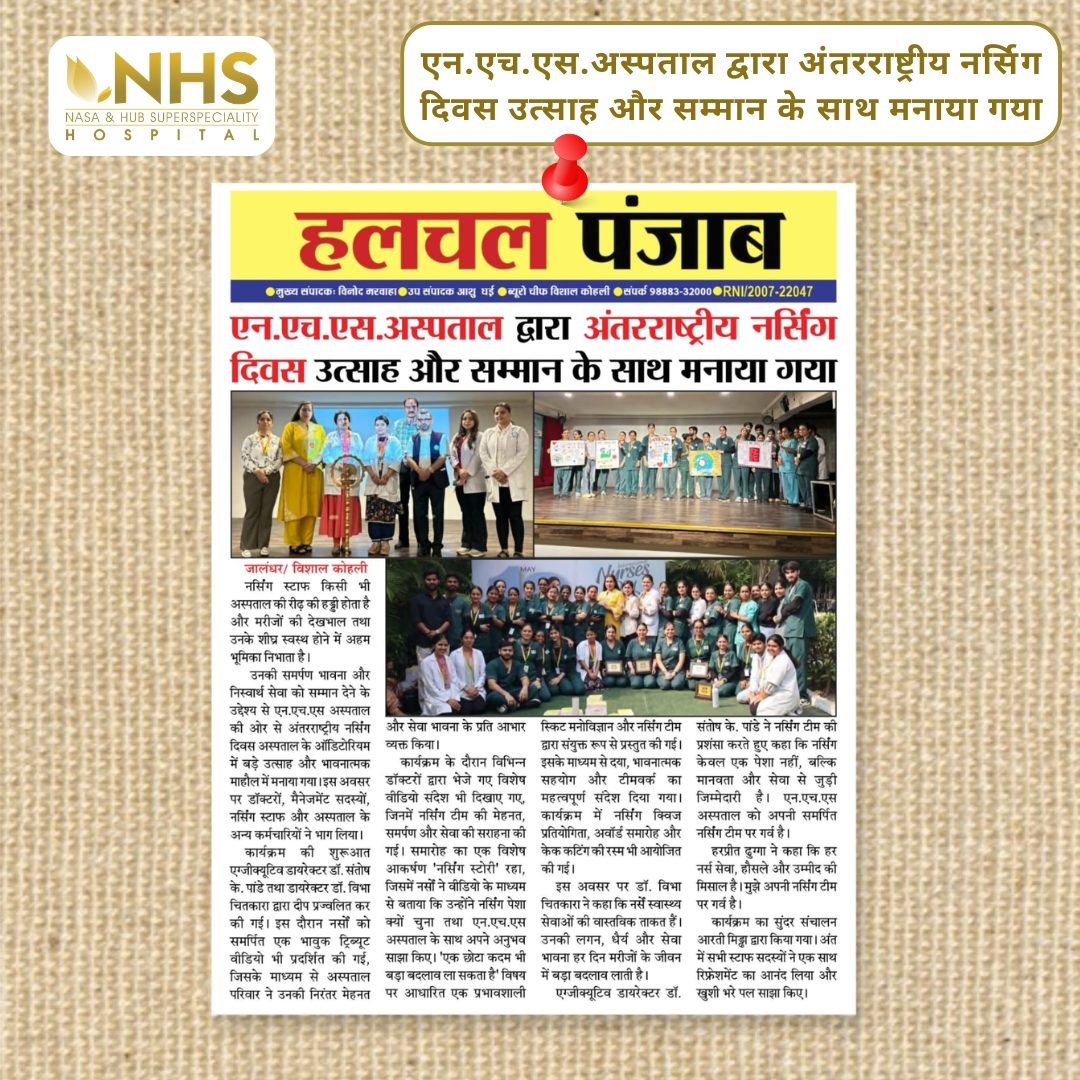
These clippings cover NHS Hospital as a whole rather than the cardiology department. Open any one to read the full page.
The angiography CD or report, your ECG, echo, blood reports and whatever prescription you are on now. WhatsApp them across before the consultation and the panel starts ahead of you.
Yes. Report-based online review is available for patients across Punjab; you travel only if a procedure is planned.
No. You receive a written opinion. Where the first advice was correct, we tell you that too.
Yes. A dedicated cashless and panel helpdesk handles the major TPAs, public insurers and corporate schemes. Hand your insurance card and identity documents over at the Cashless Desk when you are admitted; the coordinators assemble the clinical file from there and put it to your TPA. Approval usually lands within 2 to 4 hours.
Angiography and angioplasty, heart surgery, acute heart attack care, arrhythmia and heart failure management, and preventive cardiac care — all of it on this site.
It can. Some open with brief, mild discomfort that fades on its own, only to return harder a while later. Pain that keeps coming back, or refuses to settle, needs assessing without waiting.
No. For a good number of patients the entire event registers as nothing more than slight pressure, vague discomfort or shortness of breath. Women, older adults and people with diabetes fall into that group most often.
Yes — the pain settling tells you nothing about the artery behind it. An evaluation can surface heart disease that has not declared itself yet, which is precisely the stage at which complications are easiest to head off.
They genuinely can. The difficulty is that heart disease produces a very similar picture, so stress is a conclusion to reach last — after an assessment has ruled the alternatives out, never before it.
Putting it down to gas, acidity or being run down — and then waiting. Time is the one thing nobody can give back to you afterwards. Treated early, far more of the heart survives intact.
Eat well. Move most days. Stay off tobacco. Keep stress in check. Turn up for your check-ups. Nothing exotic on that list — the difference comes from doing it consistently rather than in bursts.
A senior consultant does. The care model here deliberately keeps the significant clinical calls at consultant level instead of handing them down — the same doctor maps your treatment pathway, performs the critical procedure and takes the ward round. Complicated cases then go before a combined panel drawn from radiology, surgery, medicine and critical care.
Yes. The emergency and trauma desk runs 24/7, backed by ambulance services, lab diagnostics that never close and specialised ICU cover. Super specialists from cardiology and the other departments are on call at every hour, so a critical patient is never held up waiting on the right doctor to reach the building.
Talk to our cardiac coordinator today. Near Sports College, 300m from Kapurthala Chowk, Jalandhar — 144001.